
RHJ: Learning to Read Windows
Rome Home Journal
Learning to Read Windows
The easiest way to understand the age—and personality—of a house.
By Jeb Arp
People often ask what I notice first when I pull into a driveway.
The kitchen?
The landscaping?
The front door?
Honestly...
It's usually the windows.
Not because I'm judging them.
Because windows tell stories.
Long before you step inside a house, the windows have already told you when the house was probably built, what architectural style inspired it, how much natural light the architect valued, and sometimes whether the home has been thoughtfully updated—or hastily remodeled.
Once you learn to "read" windows, you begin seeing houses differently.
The funny thing is...
You'll probably never unsee it.
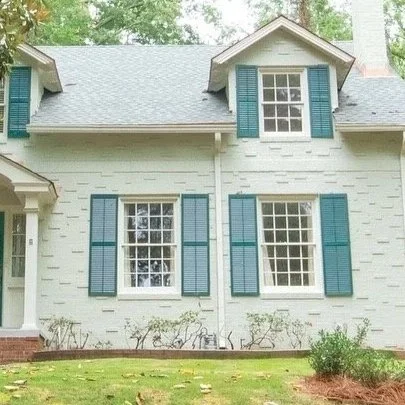
Double-Hung Windows
If you grew up in America, chances are this is the window you picture when someone simply says "window."
A double-hung window has two movable sashes that slide vertically, allowing ventilation from the top, bottom, or both.
They've been a staple of American architecture for centuries and appear on Colonial, Georgian, Victorian, Four Square, and Tudor Revival homes—including ours.
They rarely demand attention.
Instead, they quietly support everything else around them.
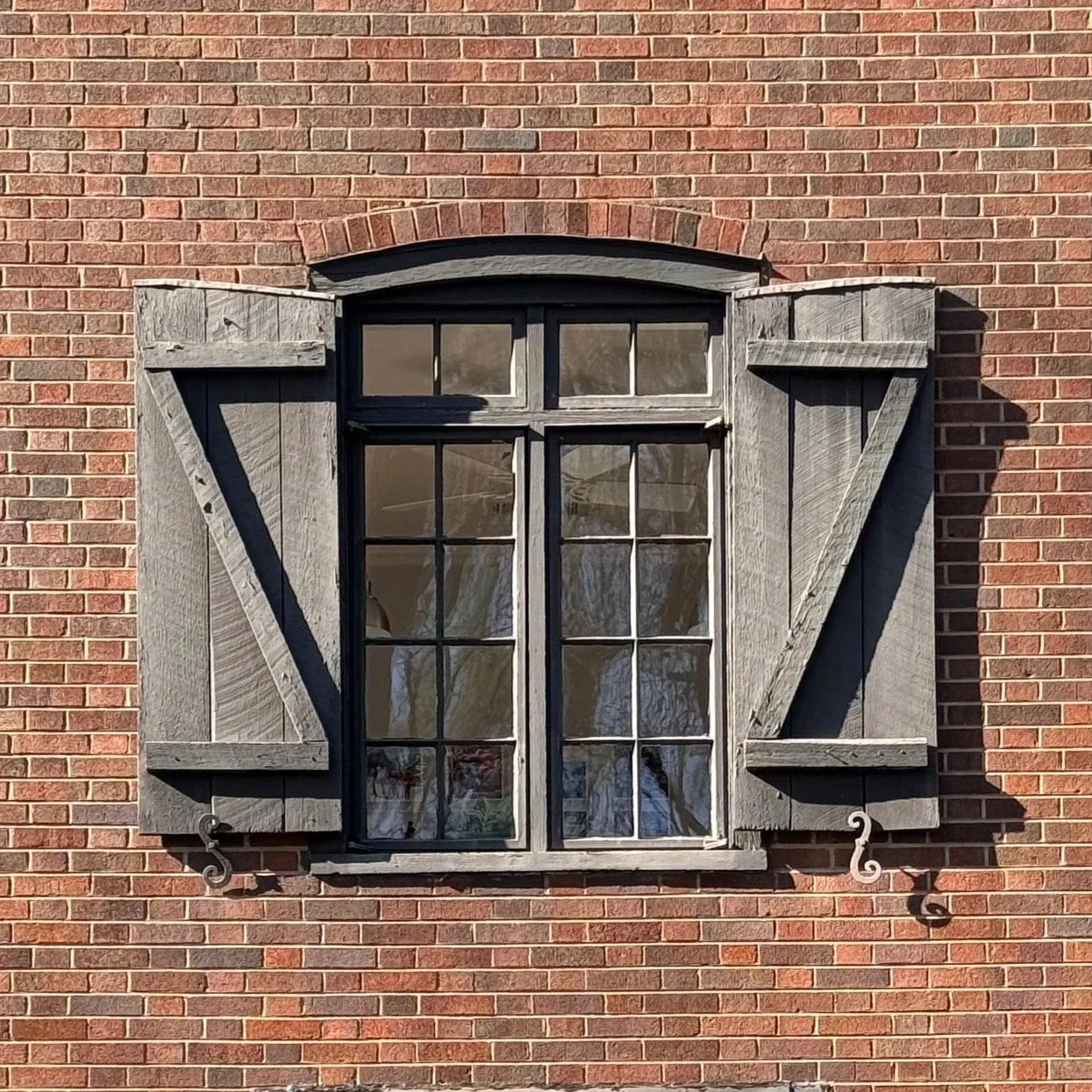
Steel Casement Windows
If I had to choose one window that instantly reminds me of Rome's historic neighborhoods, it would be the steel casement.
Popular during the 1920s through the 1940s, these slender steel-framed windows are common on Tudor Revival, Colonial Revival, and early Modern homes throughout College Heights and other older neighborhoods.
Unlike modern vinyl windows, their narrow frames allow for more glass and incredibly elegant proportions.
They require maintenance, and yes—they can be drafty.
But when they're restored, they're among the most beautiful windows ever made.
Whenever I see a house that still has its original steel windows, I know someone has probably taken great care to preserve its character.
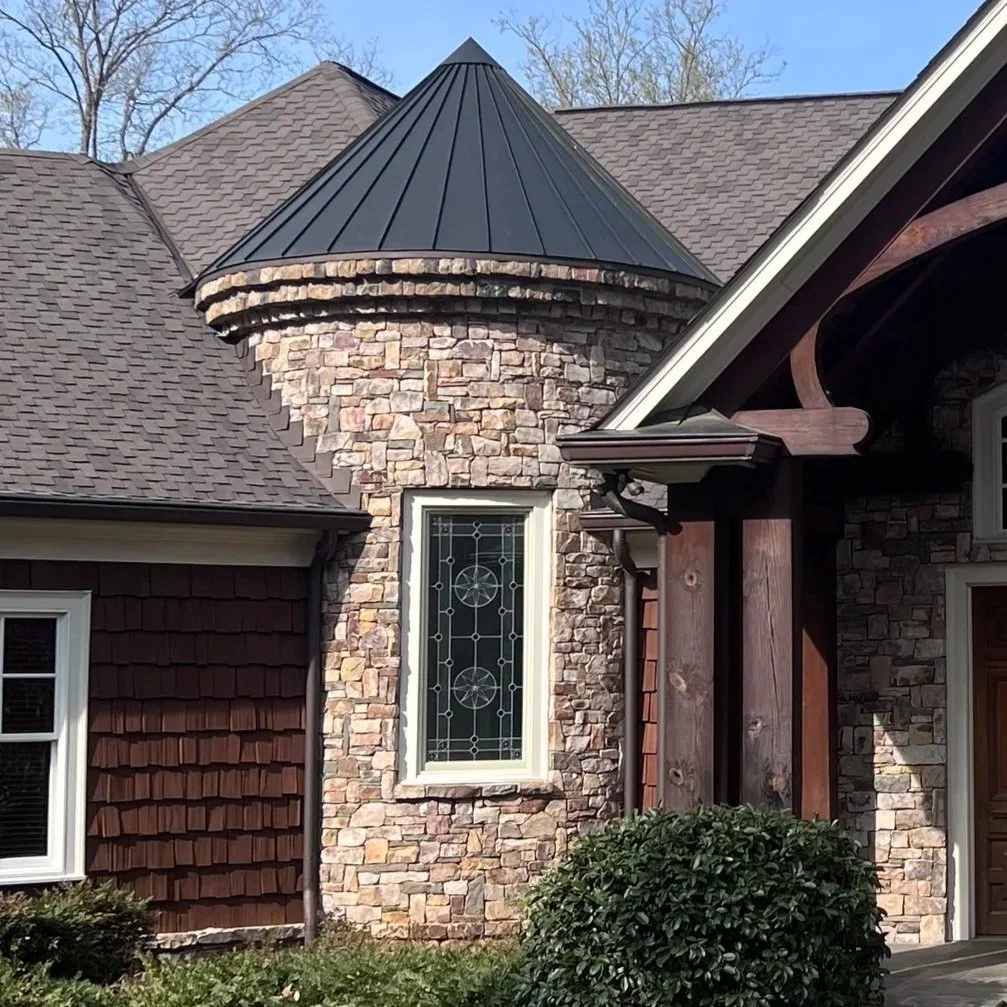
Leaded Glass
One of the easiest ways to give a home personality isn't changing the shape of a window.
It's changing the glass.
Leaded glass is created by joining small pieces of glass together with strips of lead, often forming diamond, rectangular, or geometric patterns. It's frequently mistaken for stained glass, but they're not the same. Stained glass tells stories with color. Leaded glass creates beauty through pattern, texture, and light.
Tudor Revival homes often feature diamond-shaped leaded glass, while Arts & Crafts homes favor geometric designs.
Stand inside one of these homes on a sunny morning and you'll immediately understand why architects loved them.
The light doesn't simply enter the room.
It dances.
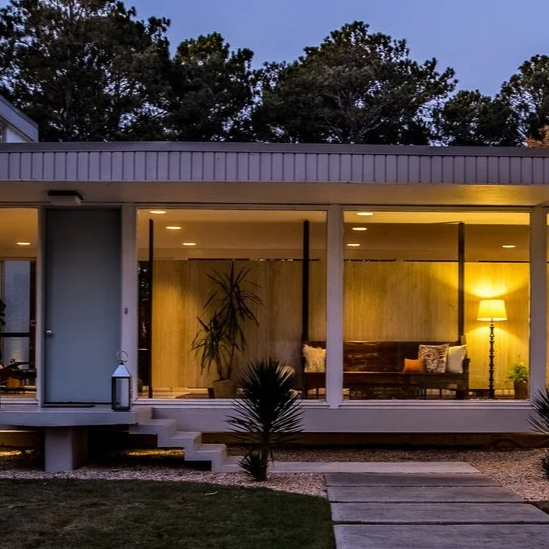
Picture Windows
Some windows were never meant to open.
Picture windows exist for one purpose.
To frame a view.
These large panes of uninterrupted glass became especially popular during the Mid-Century Modern movement, when architects began treating the landscape as part of the home itself.
Instead of looking through a window...
You begin looking at the world as though it were a painting.
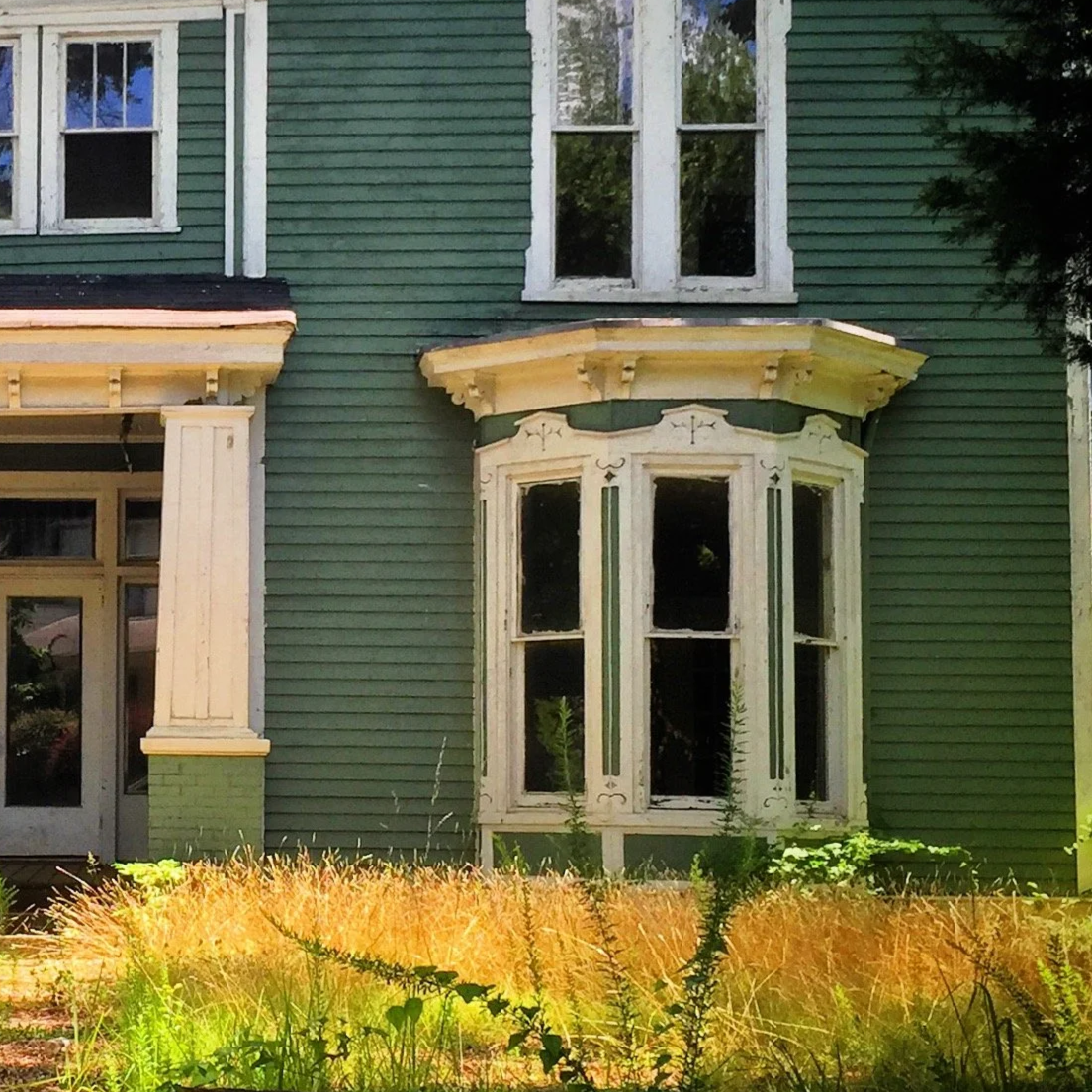
Bay Windows
Bay windows project beyond the wall, creating additional space inside while adding depth and character to the exterior.
Inside, they often become one of the most beloved places in a home.
A reading nook.
A breakfast table.
A dog watching the neighborhood.
Good architecture doesn't just create rooms.
It creates favorite places.
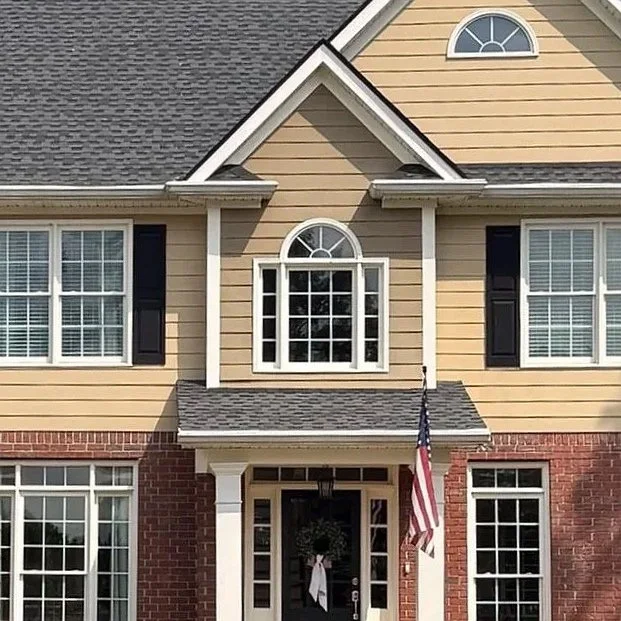
Palladian Windows
If you've ever noticed a large arched window flanked by two smaller rectangular windows, you've found a Palladian window.
Inspired by the Italian architect Andrea Palladio, these windows have symbolized elegance for hundreds of years.
You'll often see them on larger traditional homes around Rome.
When they're properly scaled, they feel timeless.
When they're oversized...
They're usually the first thing you notice—and not in a good way.
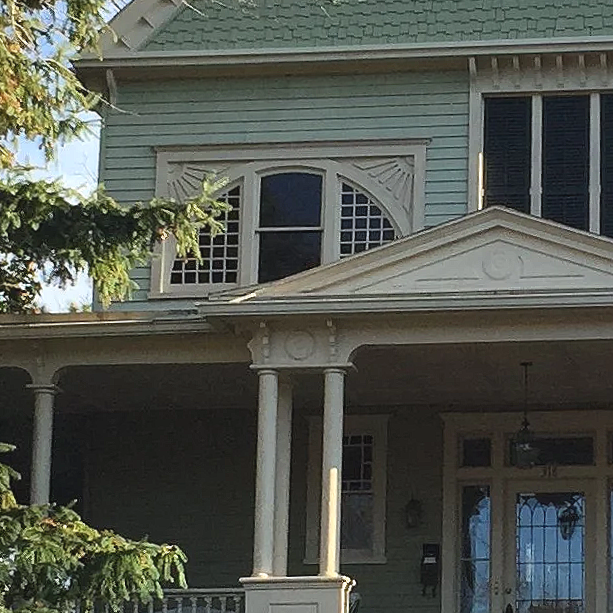
Arched Windows
Straight lines feel orderly.
Curves feel welcoming.
That's one reason arched windows have remained popular for centuries.
You'll find them on Tudor homes, Mediterranean villas, Gothic churches, and many of Rome's historic public buildings.
Sometimes a simple curve changes the entire personality of a building.
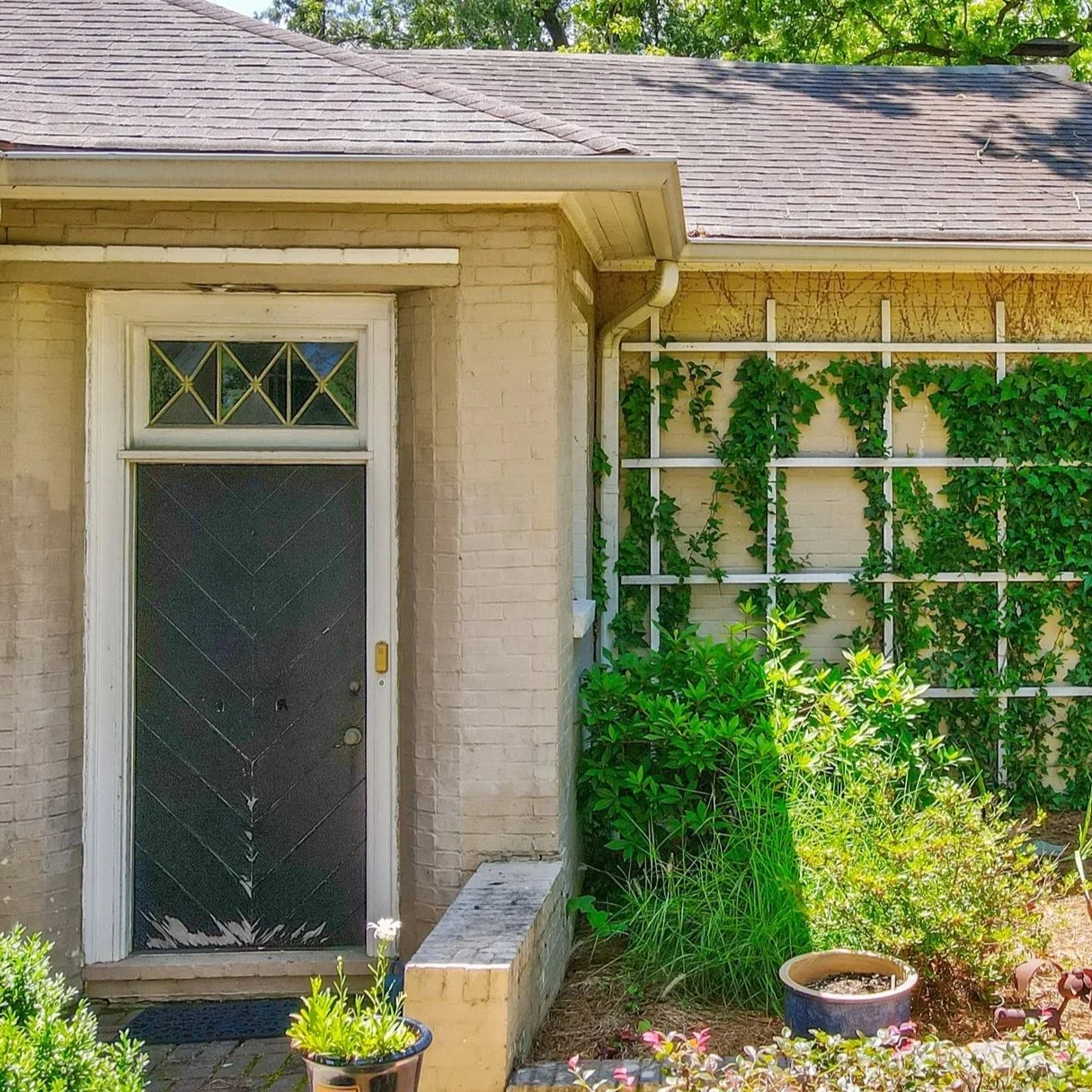
Transom Windows
Long before central air conditioning, homes relied on natural ventilation.
That's where transom windows came in.
Located above doors, these small windows allowed warm air to circulate throughout the house while doors remained closed.
Today they're often decorative.
But they still accomplish something wonderful.
They pull natural light deeper into a home.
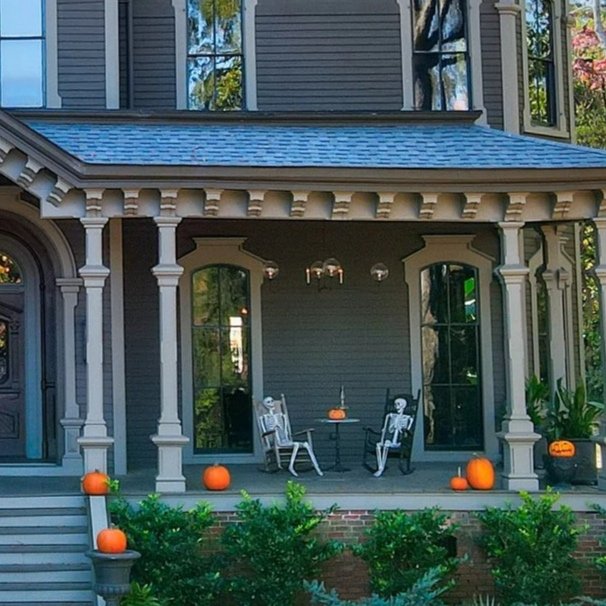
Architectural Myth or Fact?
Did people really carry coffins out through special "coffin windows"?
Take a drive through Rome's older neighborhoods and you may notice an unusually tall first-floor window that reaches nearly to the floor.
Many people call them coffin windows or funeral windows.
According to local legend, these oversized windows allowed a coffin to be carried directly from the house after someone passed away, avoiding narrow hallways or staircases.
It's a wonderful story.
Most architectural historians, however, believe it's probably folklore. These tall windows were more likely designed to admit additional light, improve ventilation, or provide access to porches and balconies. Over time, people noticed their unusual proportions and created a story to explain them.
Whether the legend is true or not...
I hope no one ever stops telling it.
Sometimes the stories attached to old houses become part of their history too.
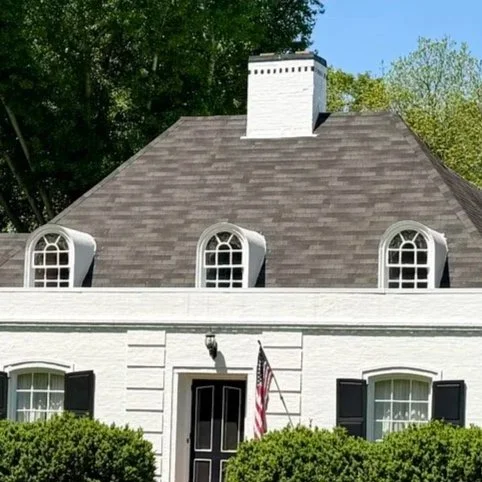
Rome Walk
This week, take a slow drive through Rome..
See how many of these you can spot:
☐ Double-hung windows
☐ Steel casement windows
☐ Leaded glass
☐ Bay windows
☐ Arched windows
☐ Transom windows
☐ Palladian windows
Bonus points if you find one of Rome's mysterious "coffin windows."
Once you start noticing windows...
You'll never look at a neighborhood quite the same way again.
Learn to See
The next time you pull into a driveway, don't start by looking at the landscaping or the front door.
Look at the windows.
Notice which ones slide.
Which ones swing.
Which ones frame a view.
Which ones tell you the house values symmetry.
Which ones invite you to sit nearby with a cup of coffee.
You'll quickly discover something.
Windows don't simply let us look outside.
They quietly tell us everything about the house they're part of.
Jeb's Takeaways
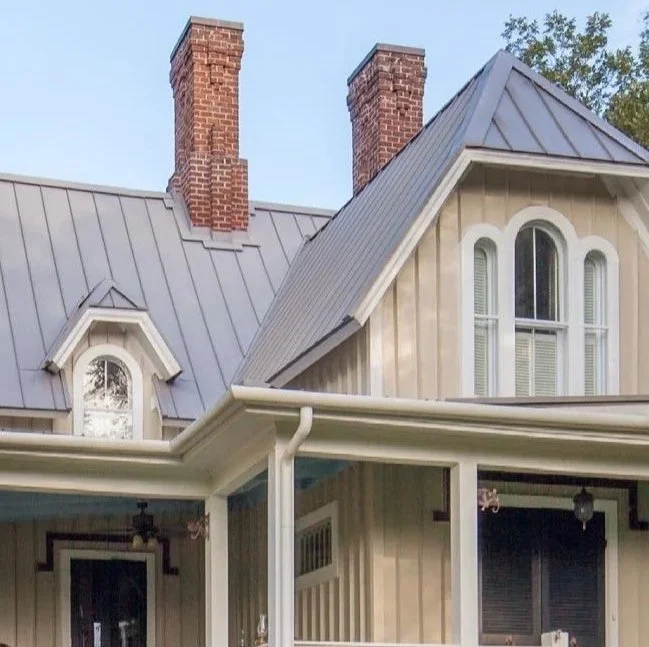
Windows are the eyes of a house.
Before you notice the paint color or landscaping, your eye has already begun reading the windows. They reveal a home's age, style, and personality long before you step inside.
Original character is difficult to recreate.
Historic windows weren't perfect when they were built, and they aren't perfect today. Their slight imperfections are often part of what gives an older home its warmth and authenticity.
Don't replace history without asking questions.
Sometimes replacement windows are absolutely the right choice. Sometimes restoration is. Understanding what you have is the first step toward making a good decision.
Architecture is full of stories.
Some are backed by historical records. Others have been passed from neighbor to neighbor for generations. Both help make old homes fascinating.
Learn to look up.
Most people admire a house from eye level. The craftsmanship, proportions, and personality are usually found just a little higher than where we're used to looking.
Until next time...keep looking up.