
RHJ: Nevin Opera House
THE ROME YOU CAN'T SEE ANYMORE
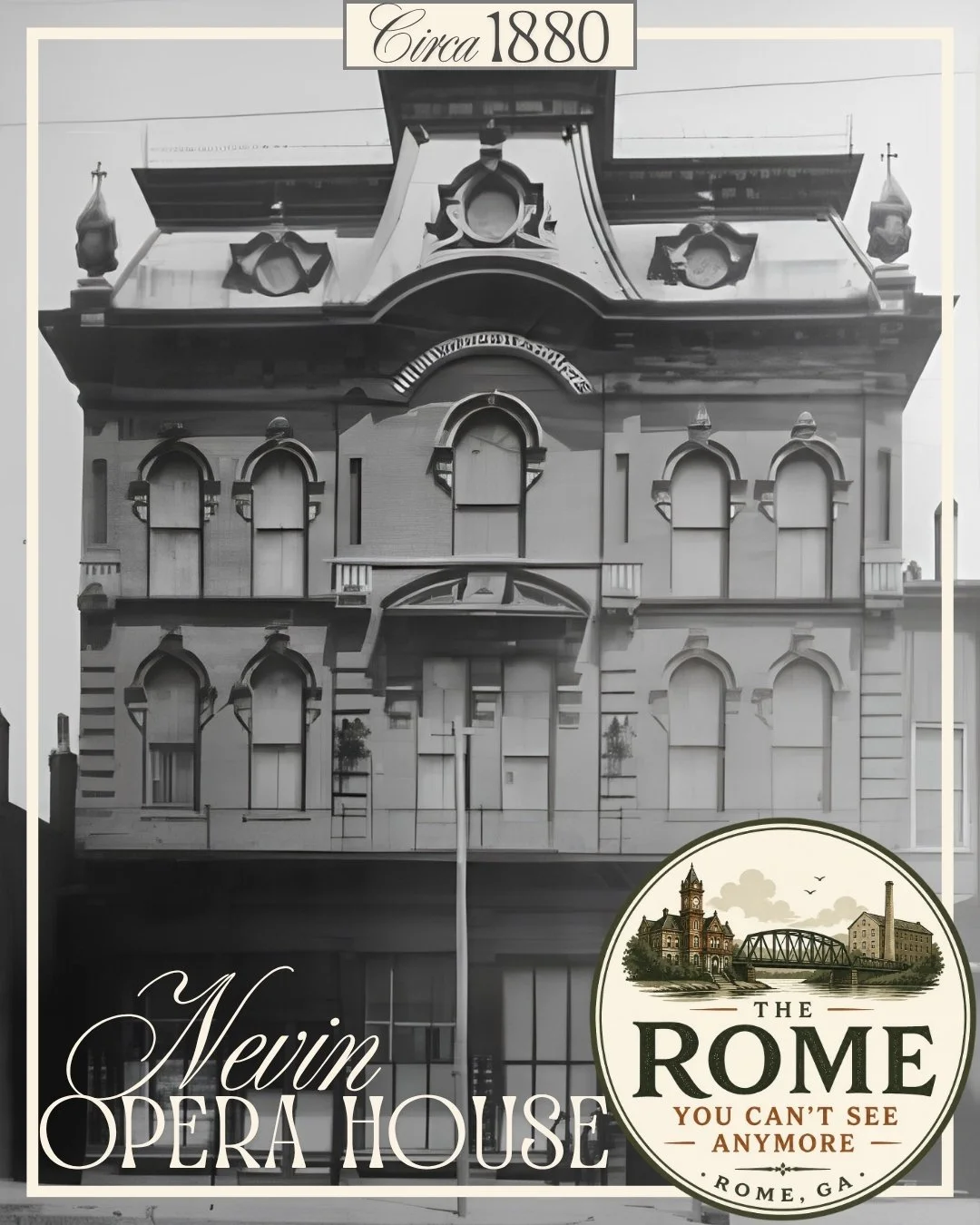
The theater that put Rome on the map.
Today, Opera Alley is one of downtown Rome's most photographed spots.
People walk beneath the brick archway on their way to lunch, concerts on the Town Green, or events at The Forum.
Most never stop to ask the obvious question.
Why is it called Opera Alley?
The answer takes us back nearly 150 years to one of the most important buildings Rome has ever lost.
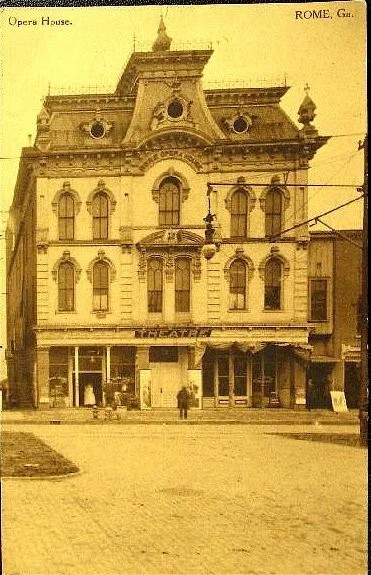
Rome's Grand Stage
When the Nevin Opera House opened in 1880, it wasn't simply another downtown building.
It was a statement.
Built by local businessman M.A. Nevin, the theater seated approximately 800 people and was designed from the beginning as a true performance venue. Contemporary newspapers proudly claimed it would rival any opera house in the South, complete with a parquet level, dress circle, gallery, private boxes, elegant folding opera chairs, and richly decorated interiors.
This wasn't a makeshift auditorium.
It was Rome announcing that it had become a city worthy of first-class entertainment.
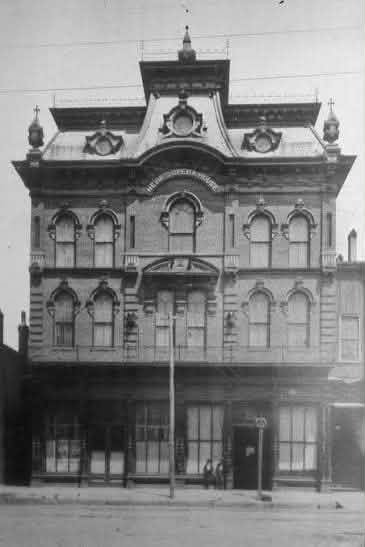
More Than Opera
Despite its name, the Nevin Opera House wasn't devoted only to opera.
Like many nineteenth-century opera houses, it welcomed traveling theater companies, musicians, lecturers, comedians, community performances, and special events.
If a nationally touring company came to Rome, chances are they performed on the Nevin stage.
By the 1890s, local newspapers proudly noted that it "fulfilled every requirement of a first-class house of public amusement" and hosted the leading operatic and dramatic companies of the day.
For Romans, this was Broadway.
A City That Refused to Stand Still
Rome continued to grow, and so did expectations.
In 1897, the owners announced an ambitious renovation to modernize the building.
The stage was enlarged to accommodate larger touring productions, the entrances were redesigned, and the entire theater was updated so it would remain one of the finest in the South. The owners weren't content with yesterday's success—they wanted Rome to compete with larger cities like Atlanta for major performances.
Even then, Rome understood that great cities invest in culture.
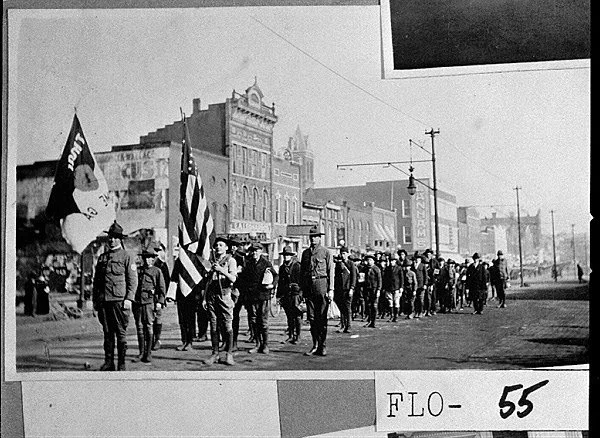
Boy Scouts march in front of a vacant lot that was the Nevin Opera House
The Building We Almost Forgot
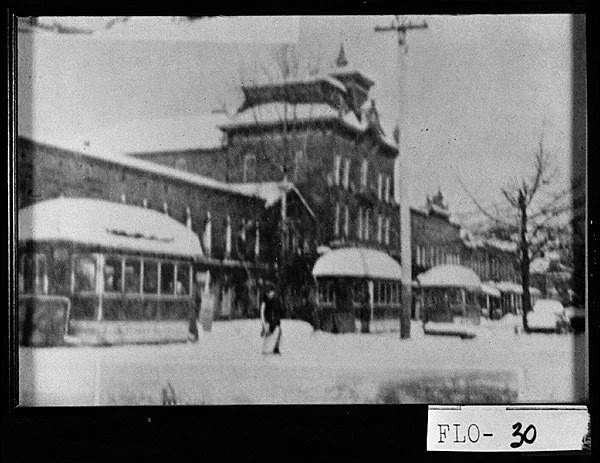
Historic photographs show the Nevin Opera House standing proudly along Broad Street during the famous 1887 snowstorm, with streetcars sitting silently beneath two feet of snow. It's one of the most recognizable images of nineteenth-century Rome.
But on December 31, 1919, the theater was destroyed by fire after years of declining use. A photograph taken shortly afterward shows Boy Scouts gathering on Broad Street beside the now-empty lot where the opera house had stood only months before.
One of Rome's great landmarks disappeared almost overnight.
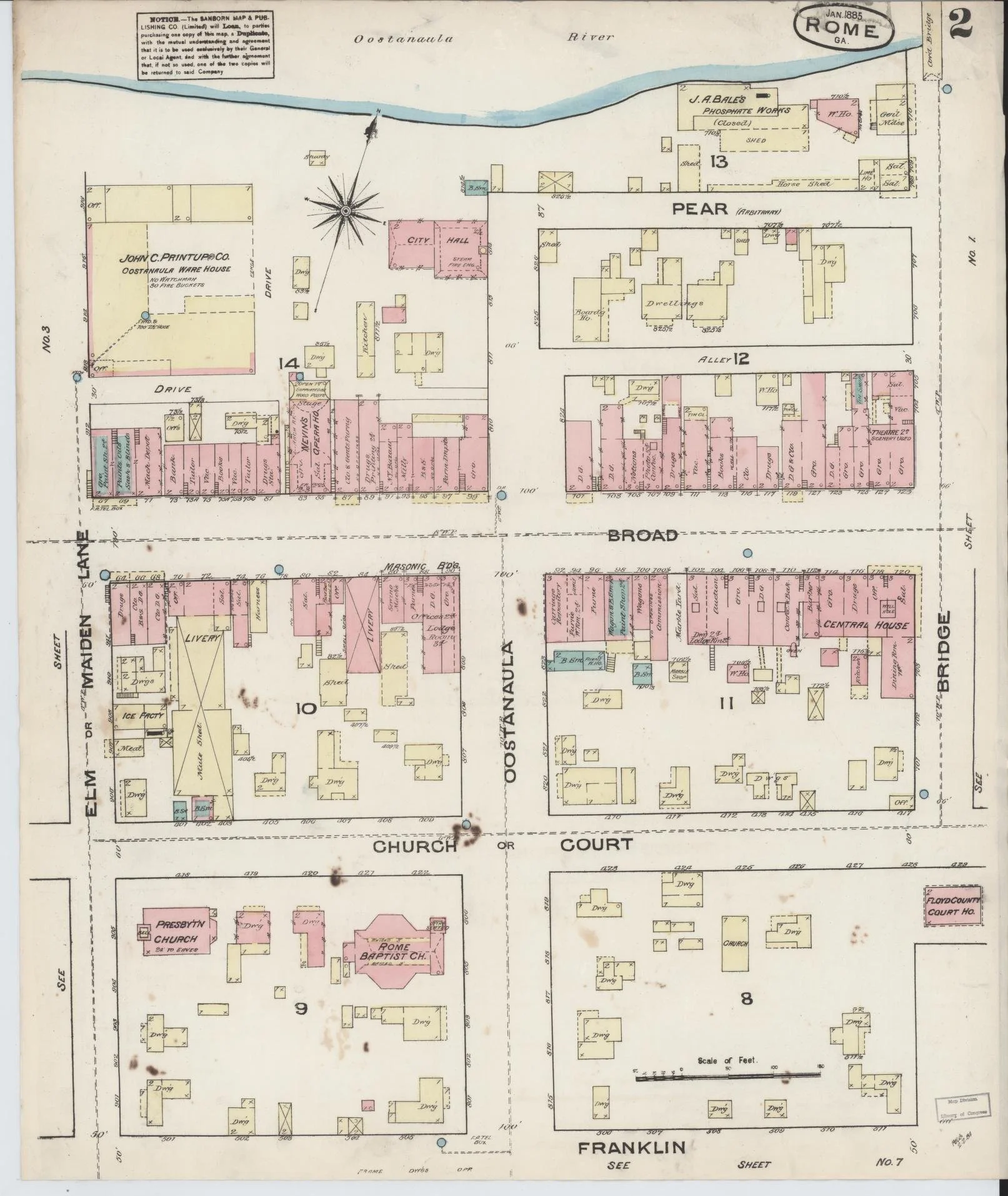
What's Left?
Surprisingly...
More than you might think.
The building is gone.
But Opera Alley remains.
That narrow passage wasn't an accident. It was intentionally donated by M.A. Nevin so performers, scenery, and supplies could move between Broad Street and the backstage area without disrupting audiences. Today, it still follows the same path that actors and musicians once walked before stepping onto the stage.
Sometimes history survives in the smallest places.
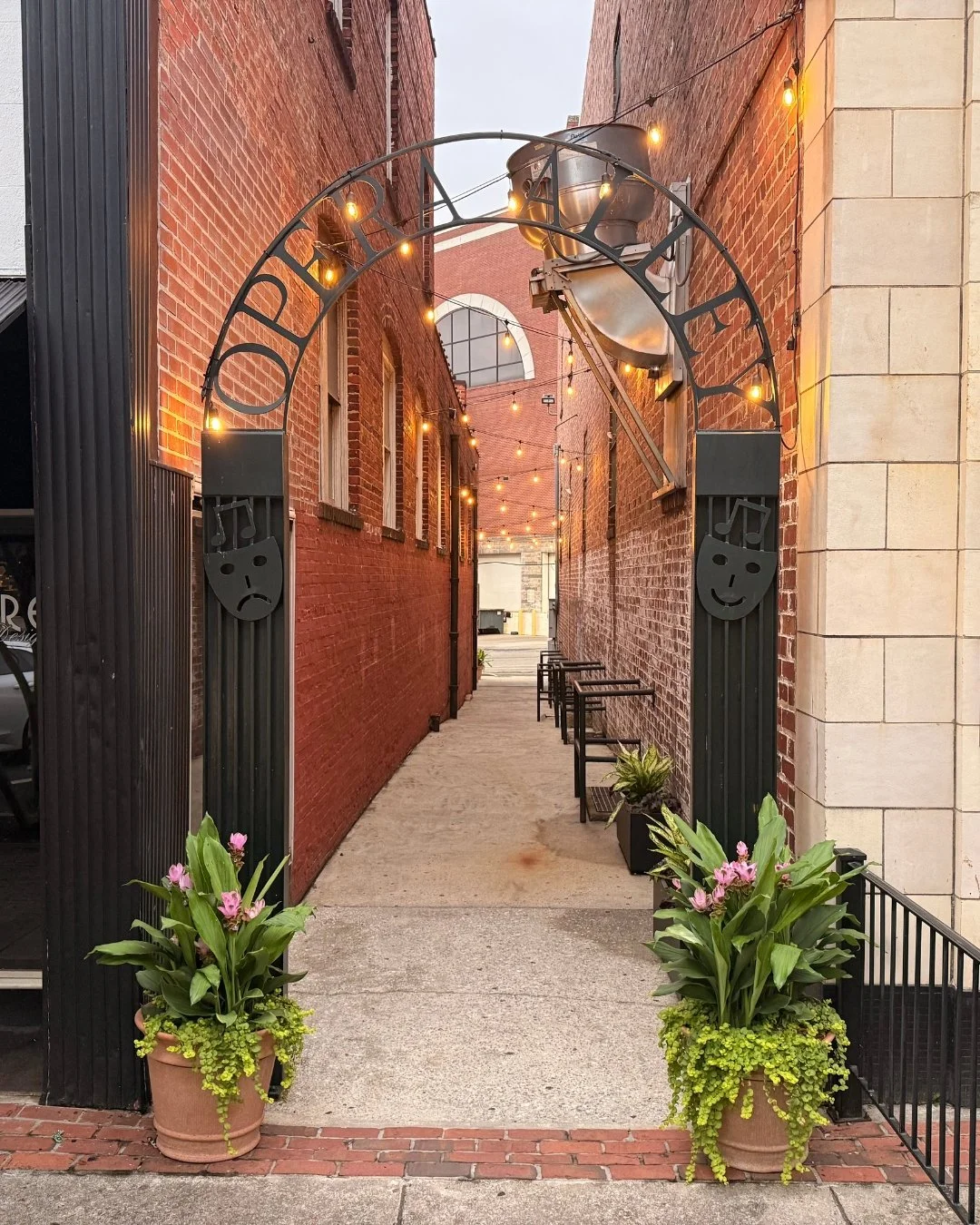
Stand Here
Walk into Opera Alley.
Pause for a moment.
Imagine stagehands rolling scenery through the alley.
Imagine actors waiting nervously behind the curtain.
Imagine the sound of applause spilling into Broad Street as another performance came to an end.
The theater is gone.
But if you stand in the alley, you're still standing where every performer once entered the stage.
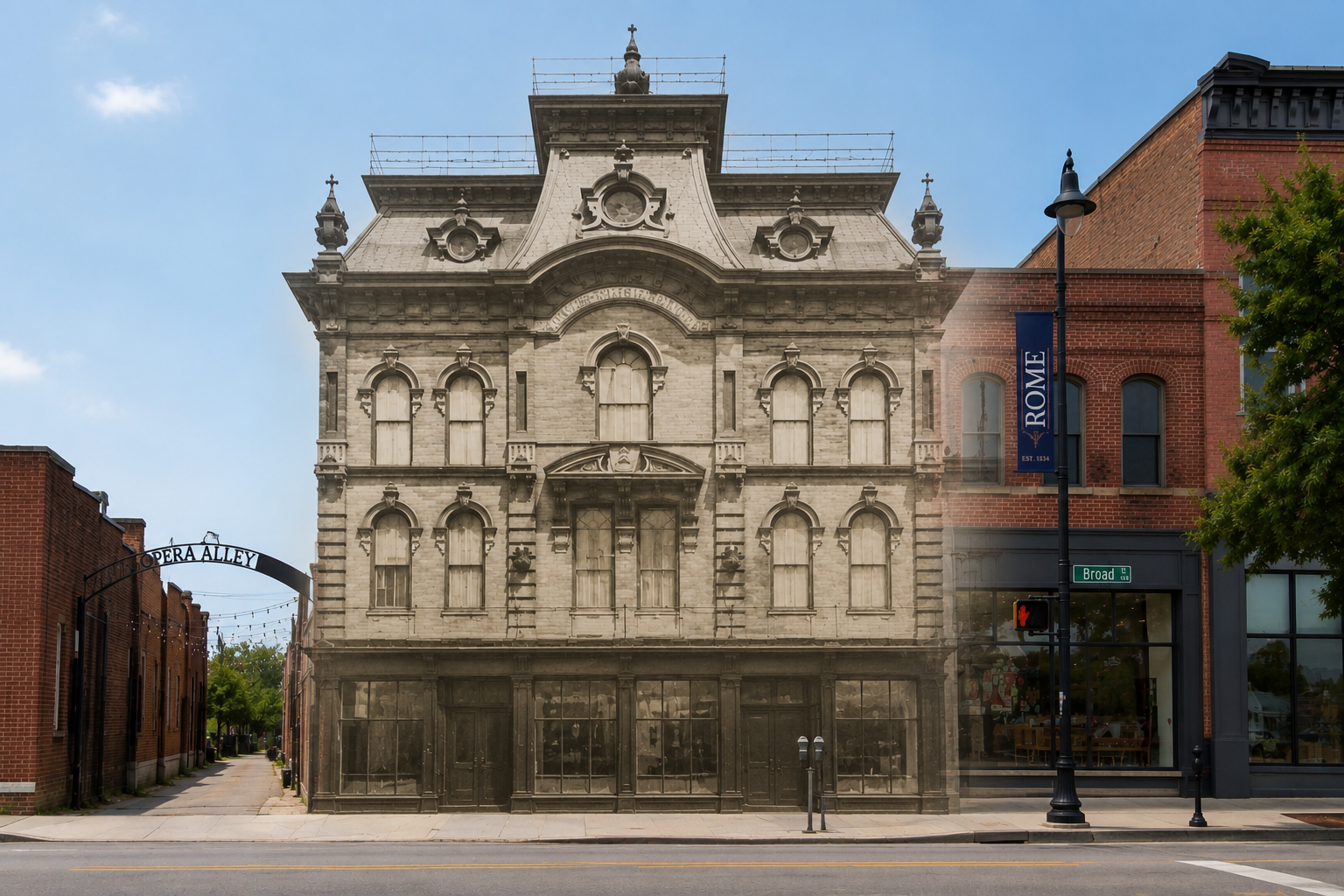
Jeb's Take
I've walked through Opera Alley dozens of times.
Until recently, I thought it was simply a charming shortcut.
Now I can't walk through it without imagining what it once connected.
That's one of the gifts of history.
It doesn't change where we live.
It changes how we see where we live.