RHJ: Car Dealerships & A Mystery Sign

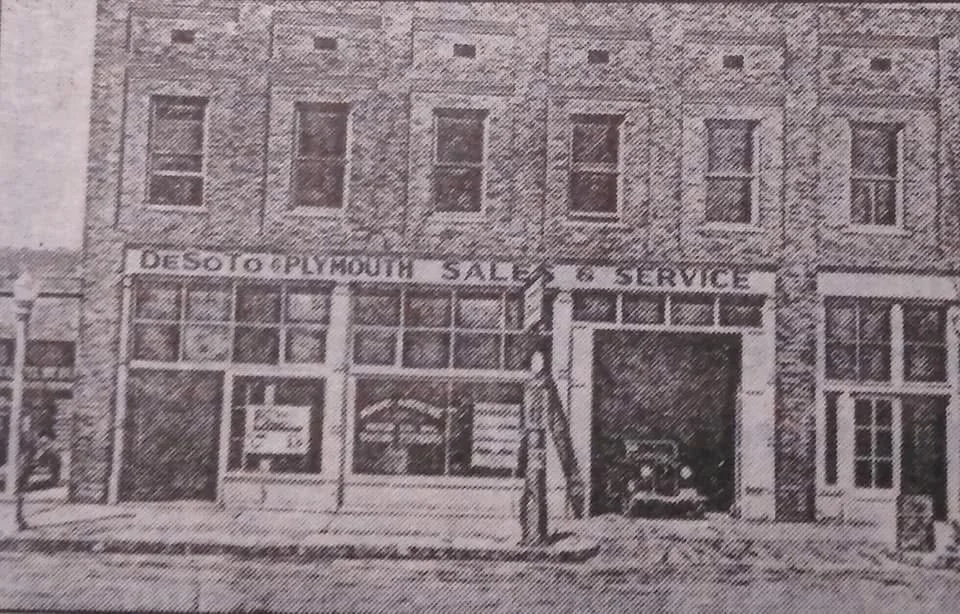
The dealership fit into the existing city. Then automobile businesses began moving into larger buildings and onto streets outside the traditional retail core.

Eventually they moved to second Avenue and Turner McCall Blvd, where the dealership became part of an increasingly automobile-oriented commercial landscape.

And today the biggest dealerships occupy sprawling campuses along Highway 411 and Veterans Memorial Highway, where the showroom itself is only one small component of acres devoted to displaying, servicing and storing automobiles.

The progression is almost perfect. First, we put the automobile dealership inside existing city buildings. Then we designed buildings around the automobile. Eventually, we designed whole sections of the city around it.

That is architectural history, whether the building involved has Corinthian columns or a giant Ford sign out front.

Read More
Jeb Arp Comment
RHJ: Two Houses on Maple Avenue

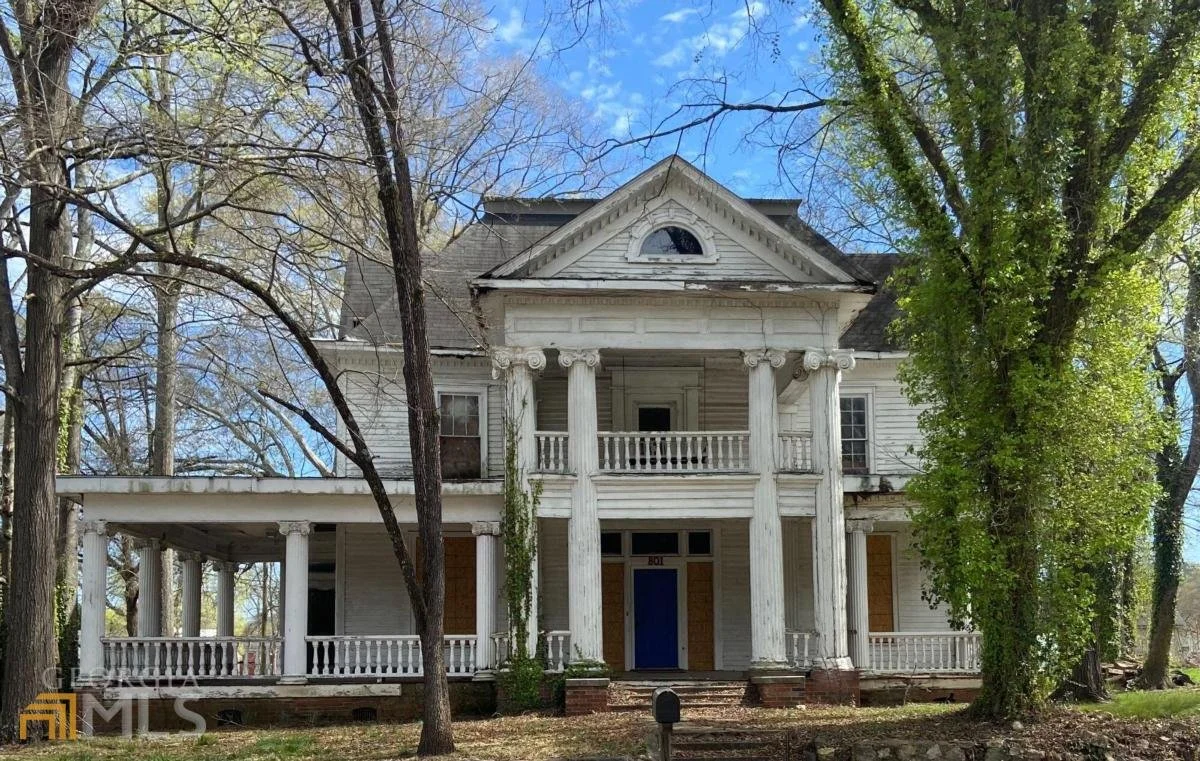
You may remember these two houses on Maple Avenue in East Rome. I do—because I showed both of them to real estate clients before they were demolished.

And in one of them, I fell through the floor. 😬

They were beautiful once. They were also, by the time I walked through them, in genuinely terrible condition.

I started researching their history and discovered they were considerably older than the dates in the tax records. Both were already standing when the 1898 Sanborn map was drawn, and 801 Maple may date to the early 1880s. It was once the home of prominent Rome physician Dr. W. H. Boyd, although parts of its earliest history are still being pieced together.

Read More
Jeb Arp Comment
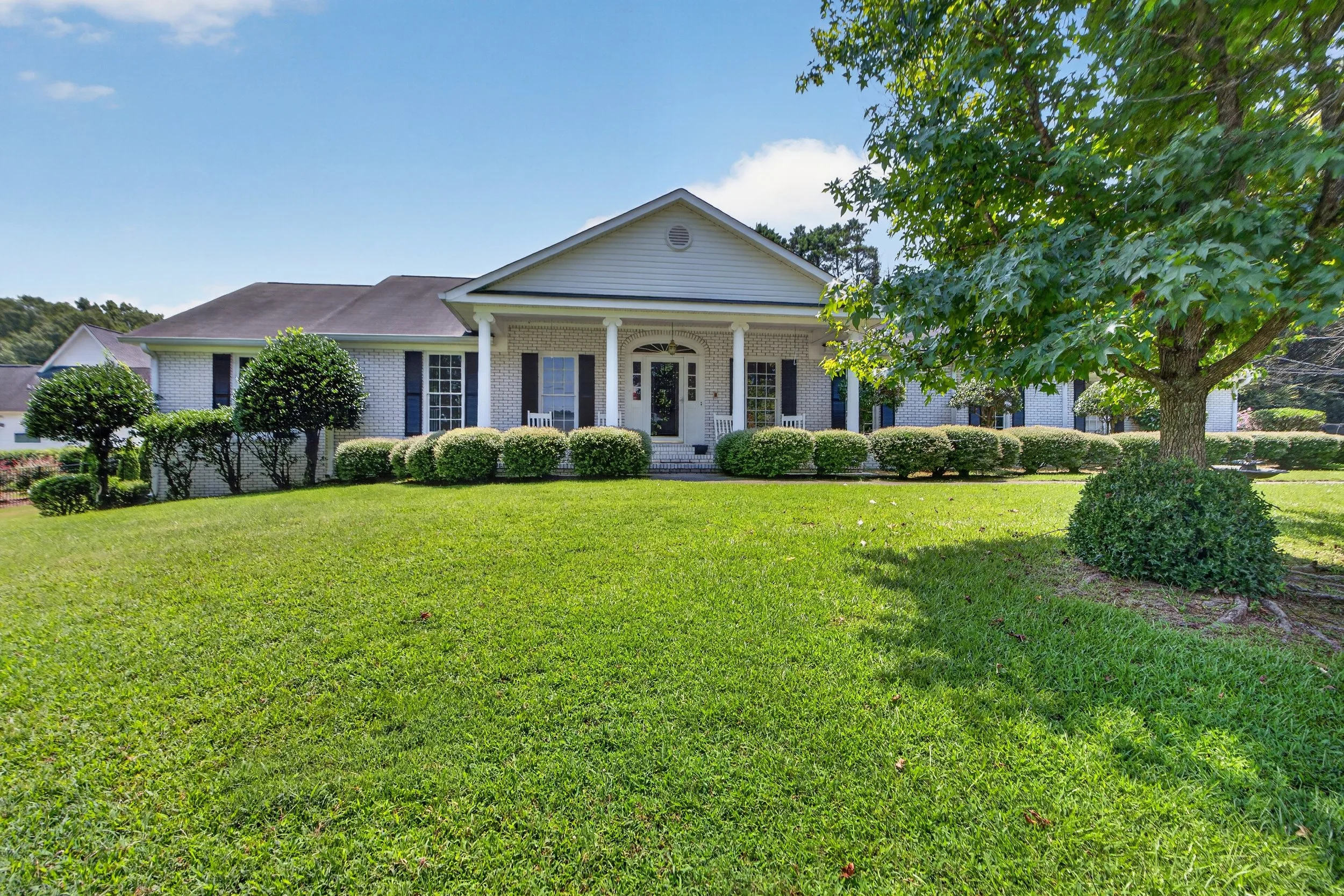
RHJ: Colonial Revival

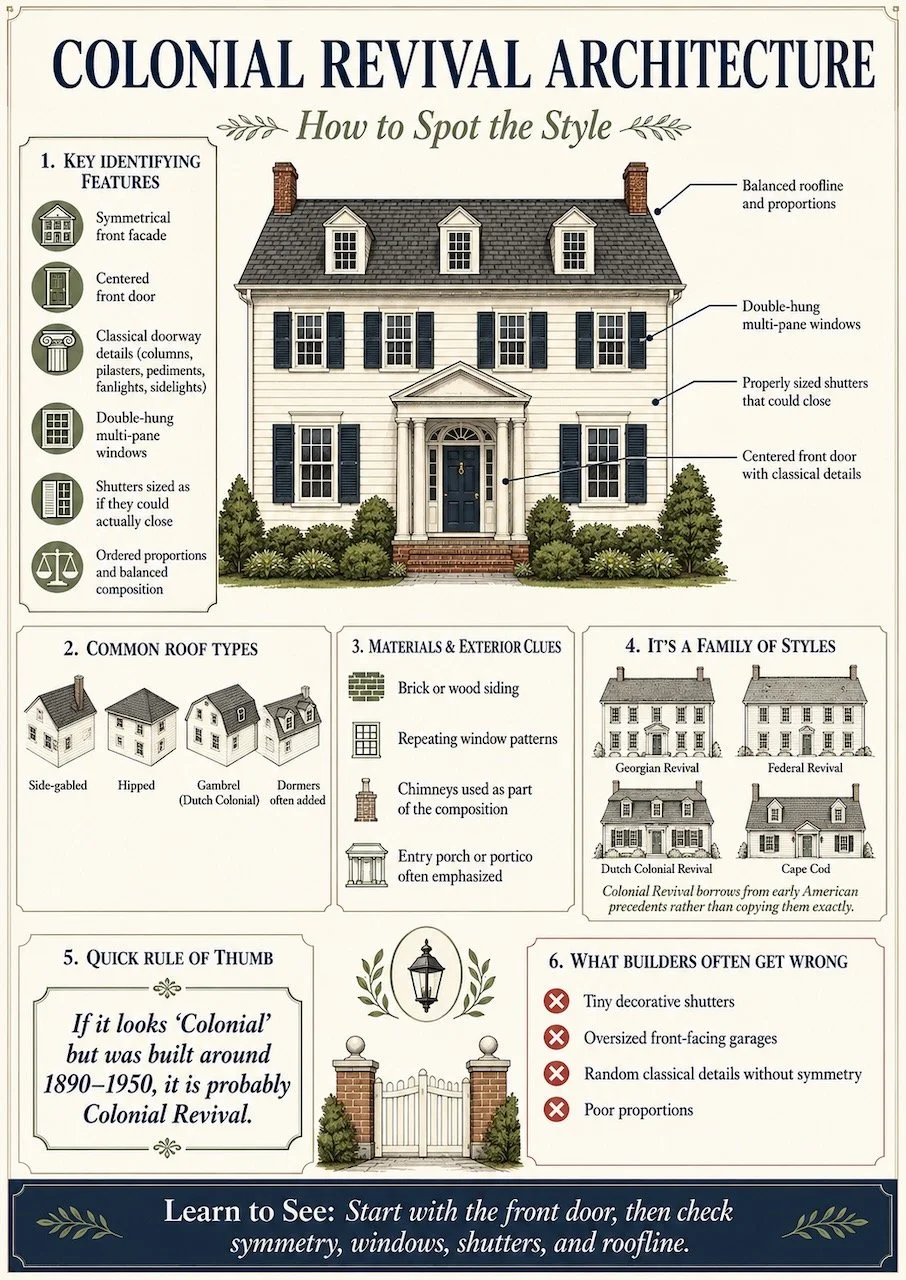
If you asked someone to picture a "traditional American house," there's a pretty good chance they're picturing some version of Colonial Revival.

And Rome is full of them.

Unlike Tudor Revival—with its steep roofs, arches and storybook details—Colonial Revival is usually about order, symmetry and proportion. The style looks backward to America's Georgian, Federal and other colonial-era architecture, but it isn't actually Colonial. Most of the houses we call Colonial were built generations—or even centuries—later.

Once you know what to look for, they're surprisingly easy to spot.

Read More
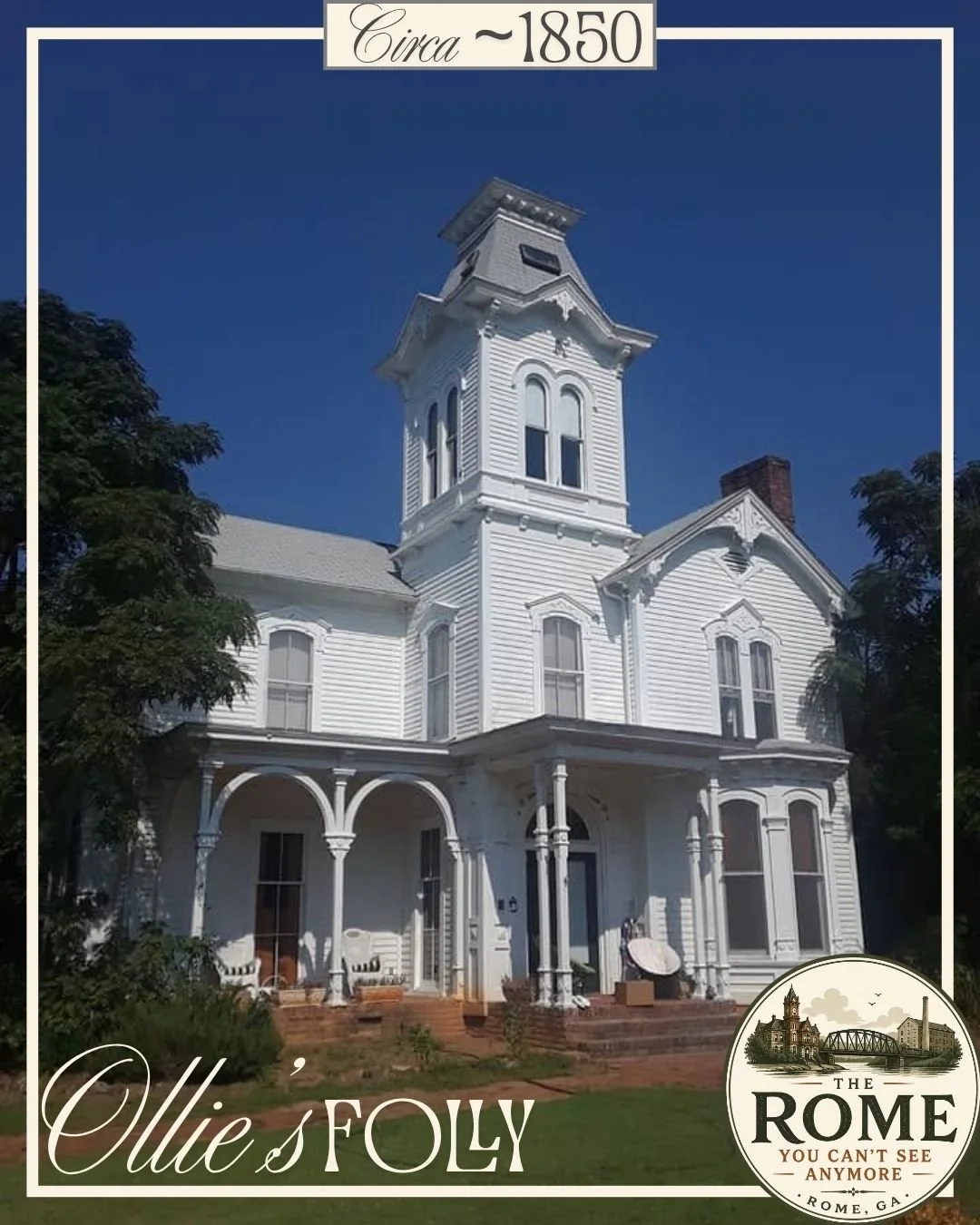
RHJ: The Italianate Home that Refused to Disappear

RHJ: The Italianate Home that Refused to Disappear

Drive down Gore-Subligna Road and you’ll see a beautiful Italianate house. Its tall tower reaches toward the sky. Decorative brackets frame the eaves. Original windows catch the afternoon light just as they did more than a century ago.

It looks perfectly at home.

But it wasn't built here.

This house once stood at 401 East First Avenue in Rome, overlooking the city it had called home for generations. By the late 1980s, its future looked bleak. Most people assumed it would soon become another forgotten casualty of progress.

Instead, it became one of the most remarkable preservation stories in Northwest Georgia.

Read More
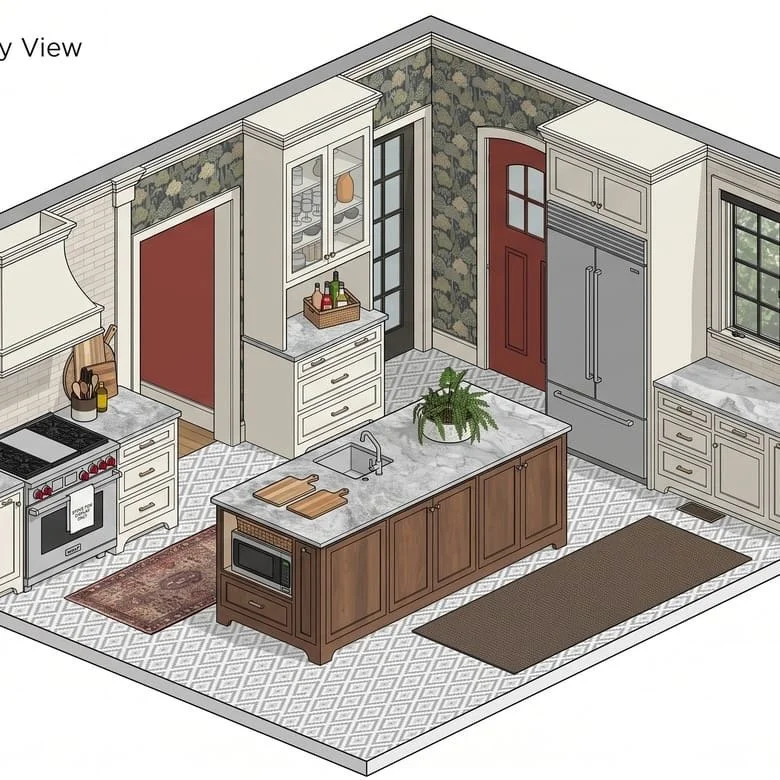
RHJ: The Big Reveal

Kitchens can cost a fortune. But they don’t necessarily have to.

After renovating more than a dozen kitchens, I’ve learned a few things about spending intentionally. That doesn’t mean I was willing to compromise on everything. I certainly had a wish list: a professional 48-inch range, built-in refrigeration, dishwasher drawers, and enough storage that every cabinet had a purpose. What I didn’t want was to buy the most expensive version of everything simply because a magazine, TikTok video, or showroom told me I should.

Read More
Jeb Arp Comment
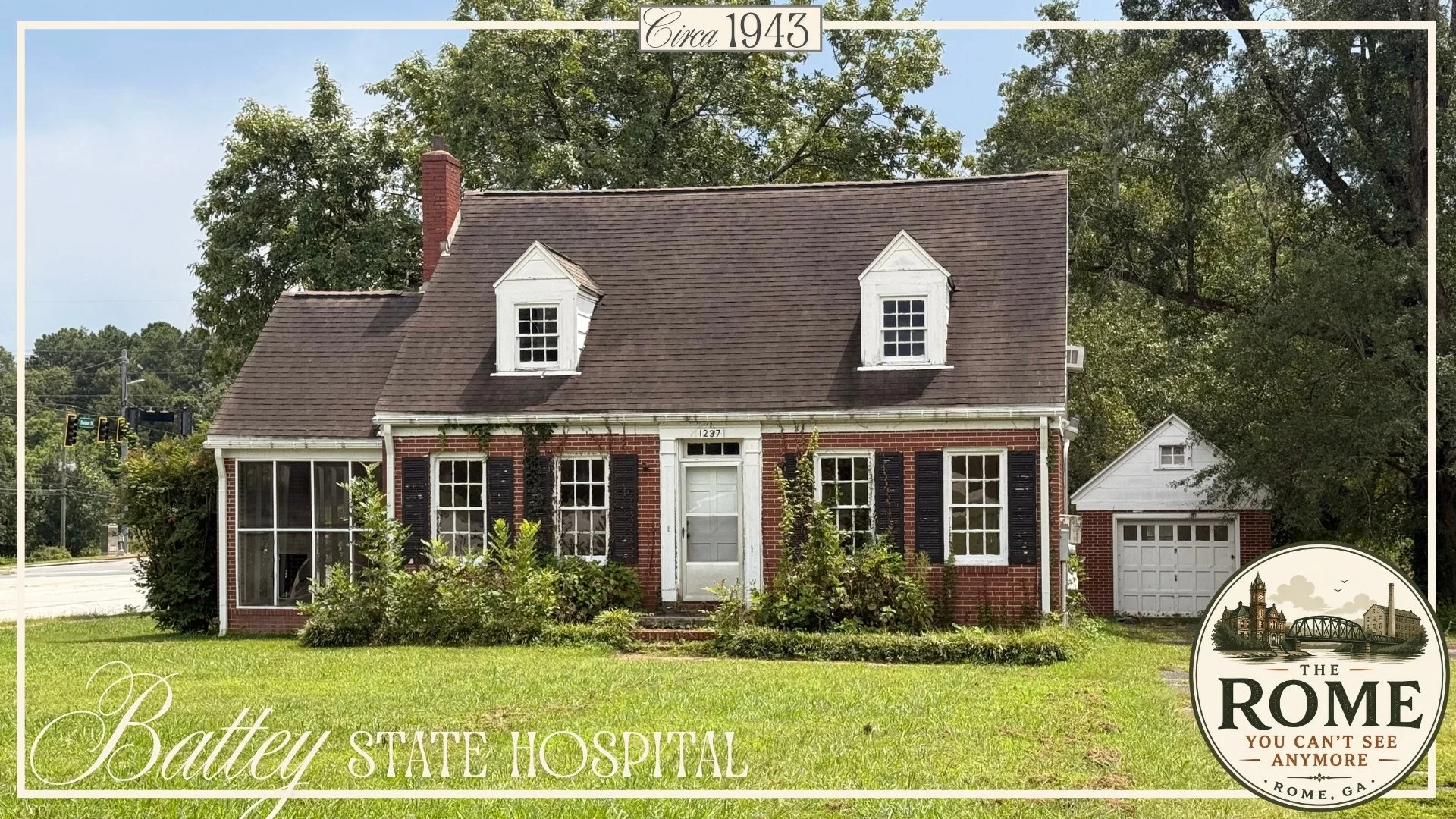
RHJ: Before Battey Disappears

Before Battey disappears, Rome needs to have a conversation.

Hidden behind the gates of the former Northwest Georgia Regional Hospital is something most Romans probably haven’t seen in years: abandoned brick houses, tree-lined streets, old institutional buildings, and the remains of a campus that once employed hundreds of people.

This one is less about a building we've already lost. It's about a decision we still have time to make.

Read More
Jeb Arp Comments
RHJ: Field Notes from Laguna Beach and a Very Berry Connection

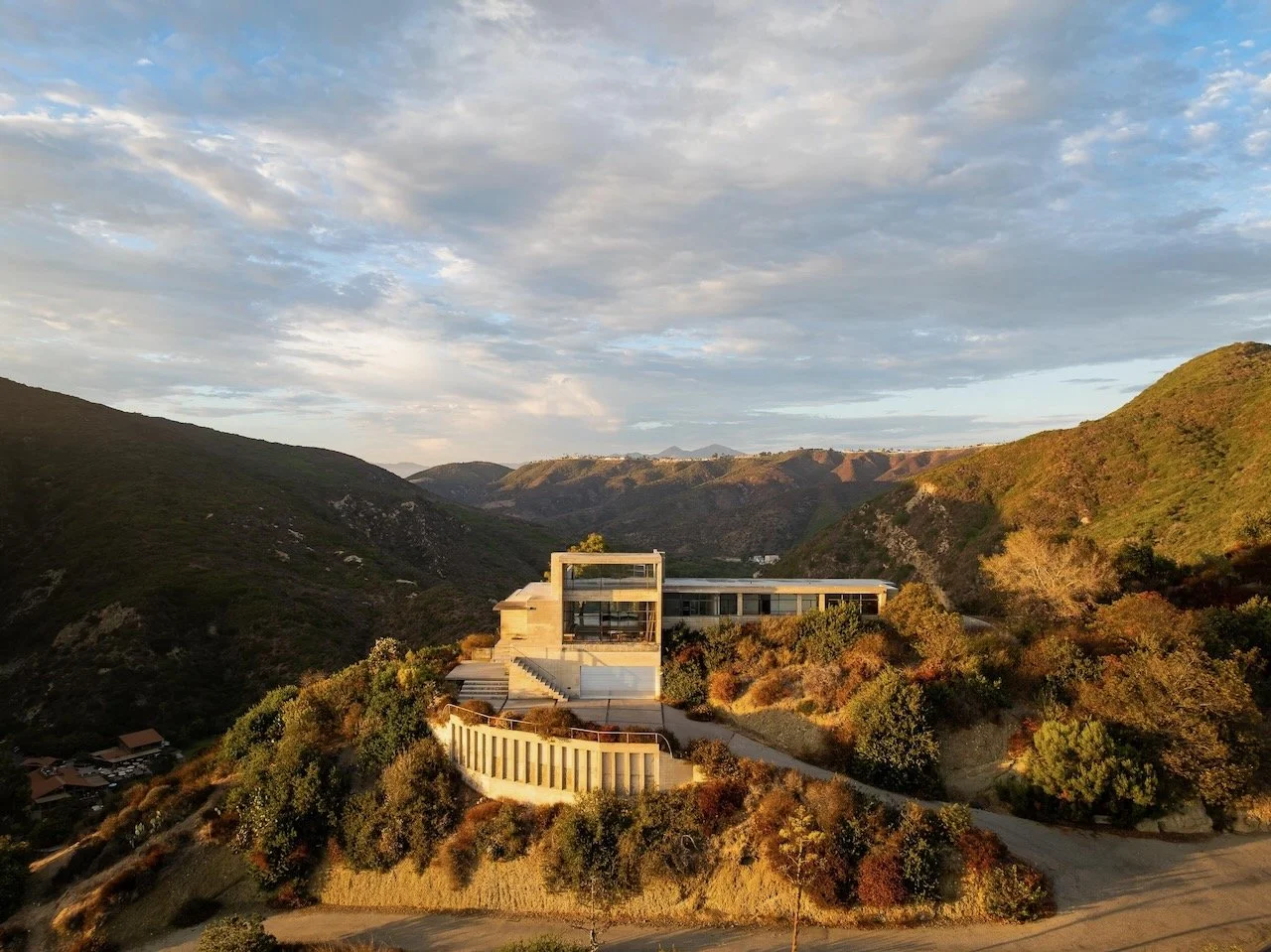
One is a dramatic Modernist house perched on the cliffs of Laguna Beach overlooking the Pacific Ocean. The other is a Collegiate Gothic library nestled beneath the pines of Berry College. Both are architectural memorials in their own way. This is a story about how buildings preserve memory long after the people who inspired them are gone. Sometimes the most fascinating connections in architecture aren't found in the buildings themselves—but in the people whose stories they continue to tell.

Read More
Jeb ArpComment
RHJ: Three Schools, One Rome

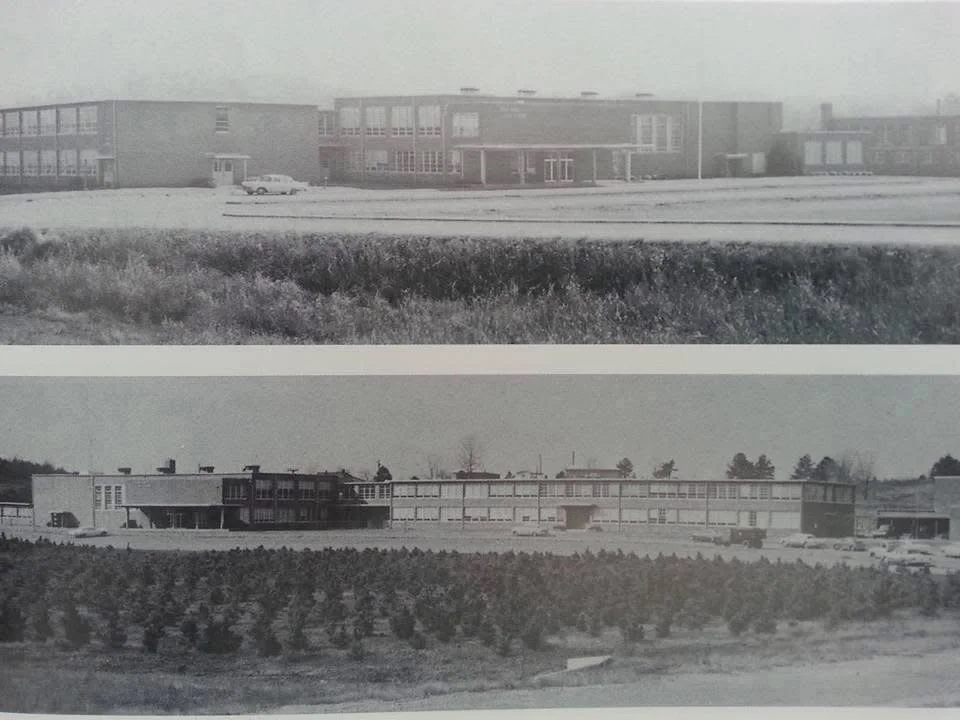
People often talk about East Rome and West Rome as if Rome High began when two longtime rivals finally joined together. Architecturally and historically, I think that leaves out an essential part of the story. The path to today’s Rome High did not run through two schools. It ran through three.

East Rome and West Rome gave generations of students identities they still carry proudly. Main High created generations of scholars, musicians, athletes, teachers, and leaders under circumstances that required them to build excellence within an unequal system. Rome did not simply construct a new high school in 1992. It spent generations learning how to become one.

Read More
Jeb ArpComment