RHJ: Tudor Revival
Welcome to The Rome Home Journal
I've always believed that every house has a story.
Some stories are obvious. Others are hidden in brickwork, old photographs, handwritten deeds, or the way afternoon light falls across a front porch that's welcomed generations of families home.
As both a Realtor and an architecture enthusiast, I've been fortunate to tour some of the world's most celebrated homes—from Frank Lloyd Wright masterpieces to mid-century icons in Palm Springs, centuries-old English estates, and everything in between. But the more famous houses I visit, the more I appreciate the ones back home in Rome.
This journal is my place to share those stories.
Some articles will explore neighborhood history. Others will highlight overlooked architectural details, remarkable homes, preservation projects, or the people who shaped our city. Occasionally we'll venture beyond Rome to visit truly iconic architecture around the world. My hope is simple: that you'll start seeing the places around you a little differently.
Whether you're buying, selling, restoring, or simply enjoy a good old house, welcome. I'm glad you're here.
Have a house, building, or neighborhood you'd like me to explore in a future edition of The Rome Home Journal? I'd love to hear from you.
Tudor Revival: Rome's Hidden Architectural Gem
If you walked through downtown Rome, College Heights, or along Horseleg Creek Road, you probably wouldn't describe the city as being full of Tudor homes.
And you'd be right.
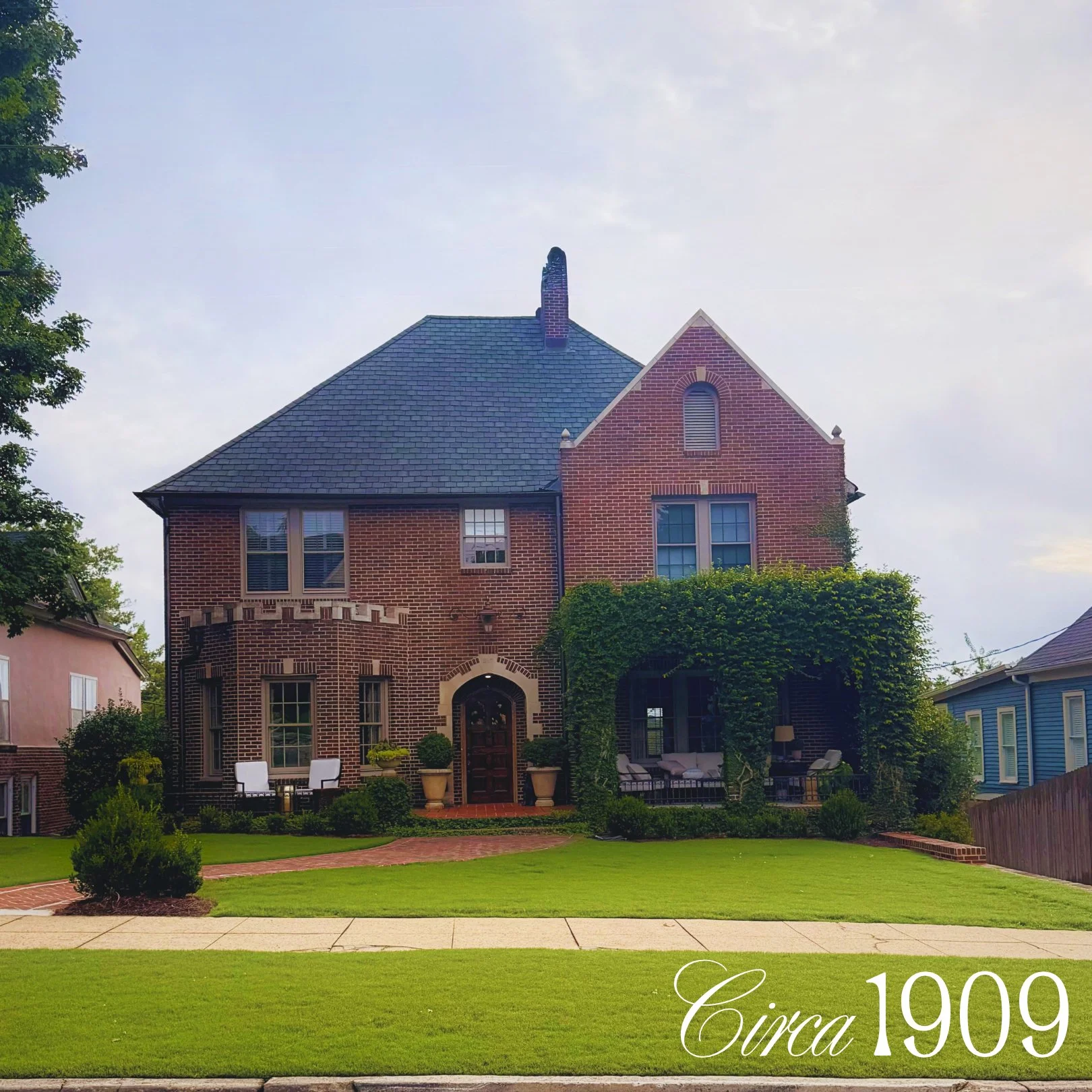
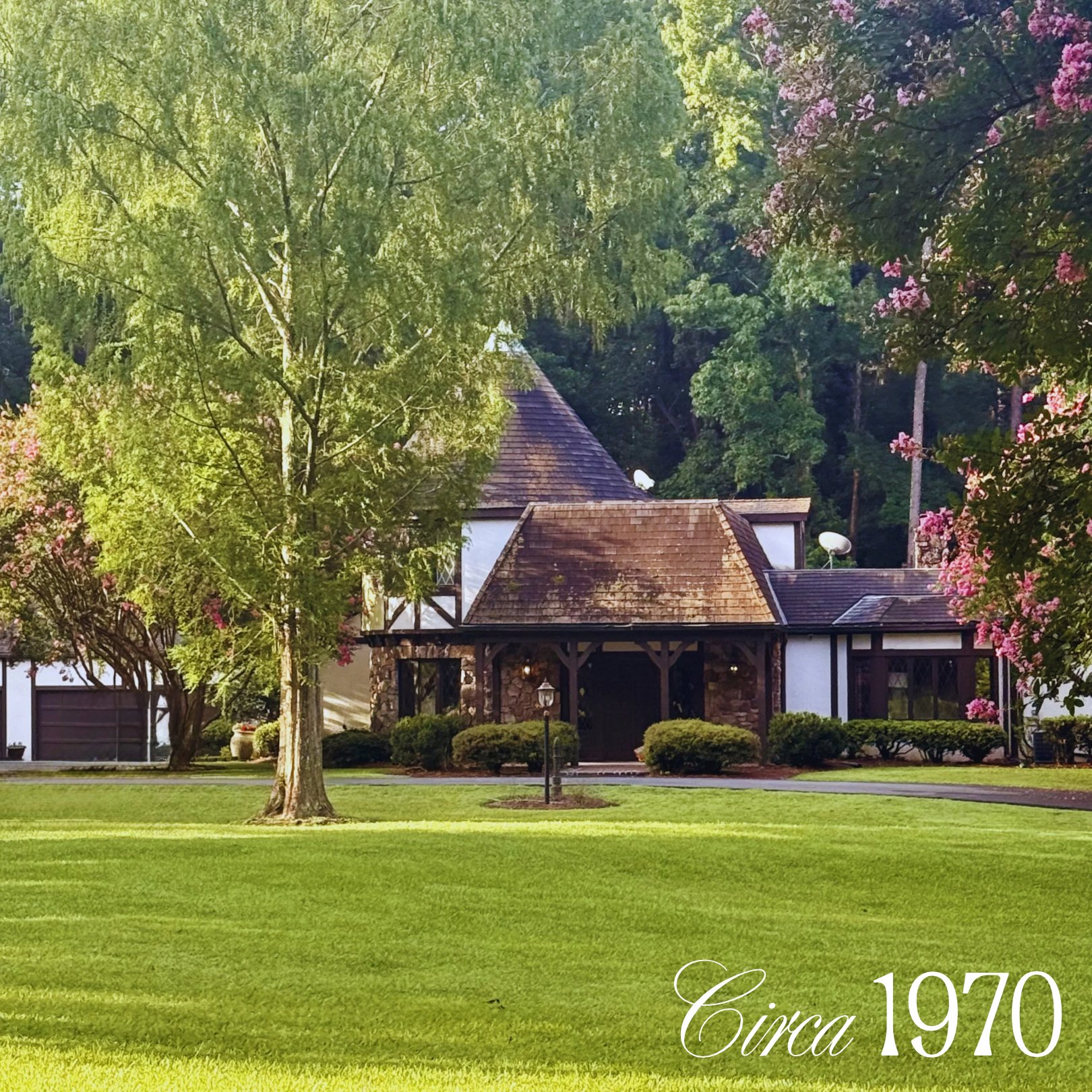
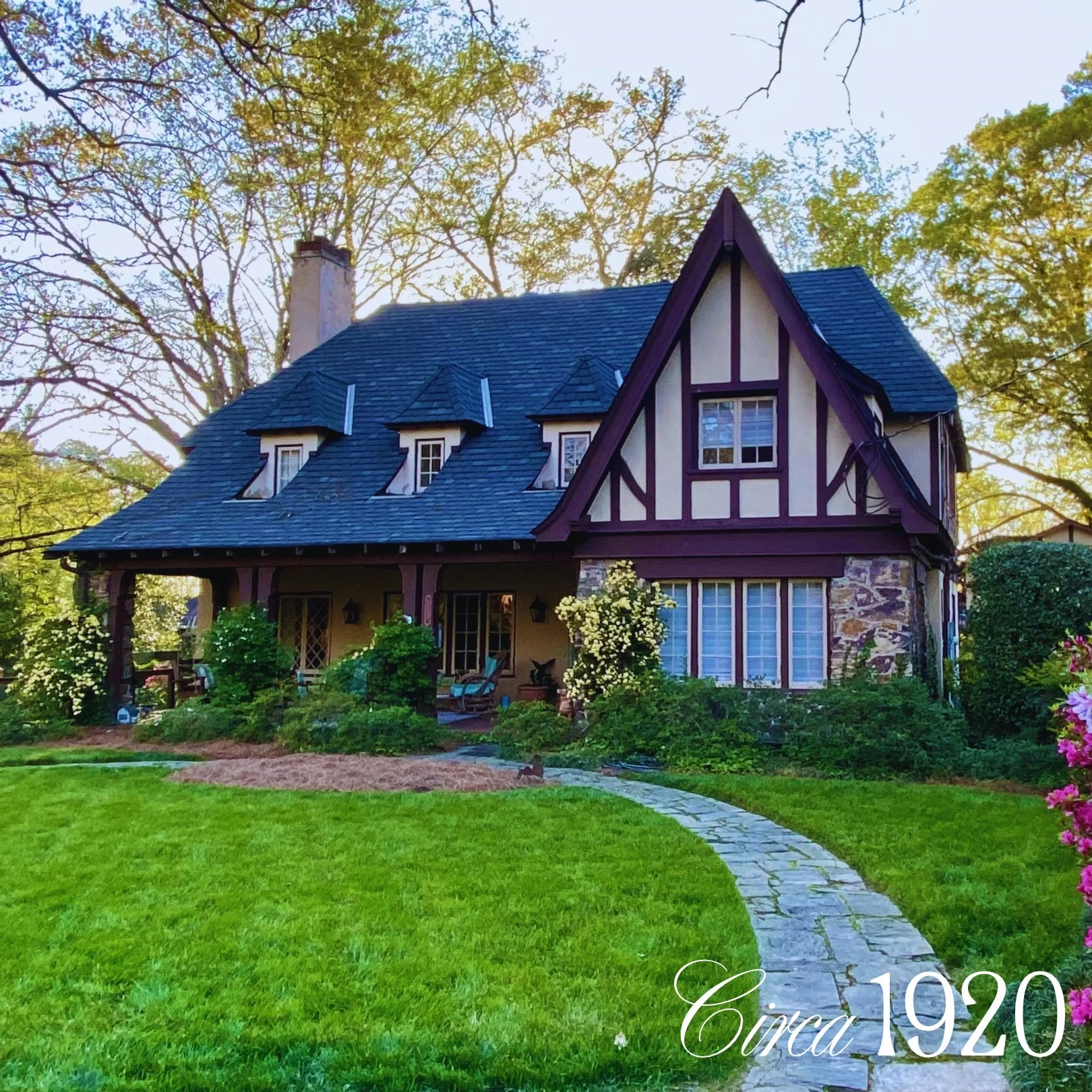
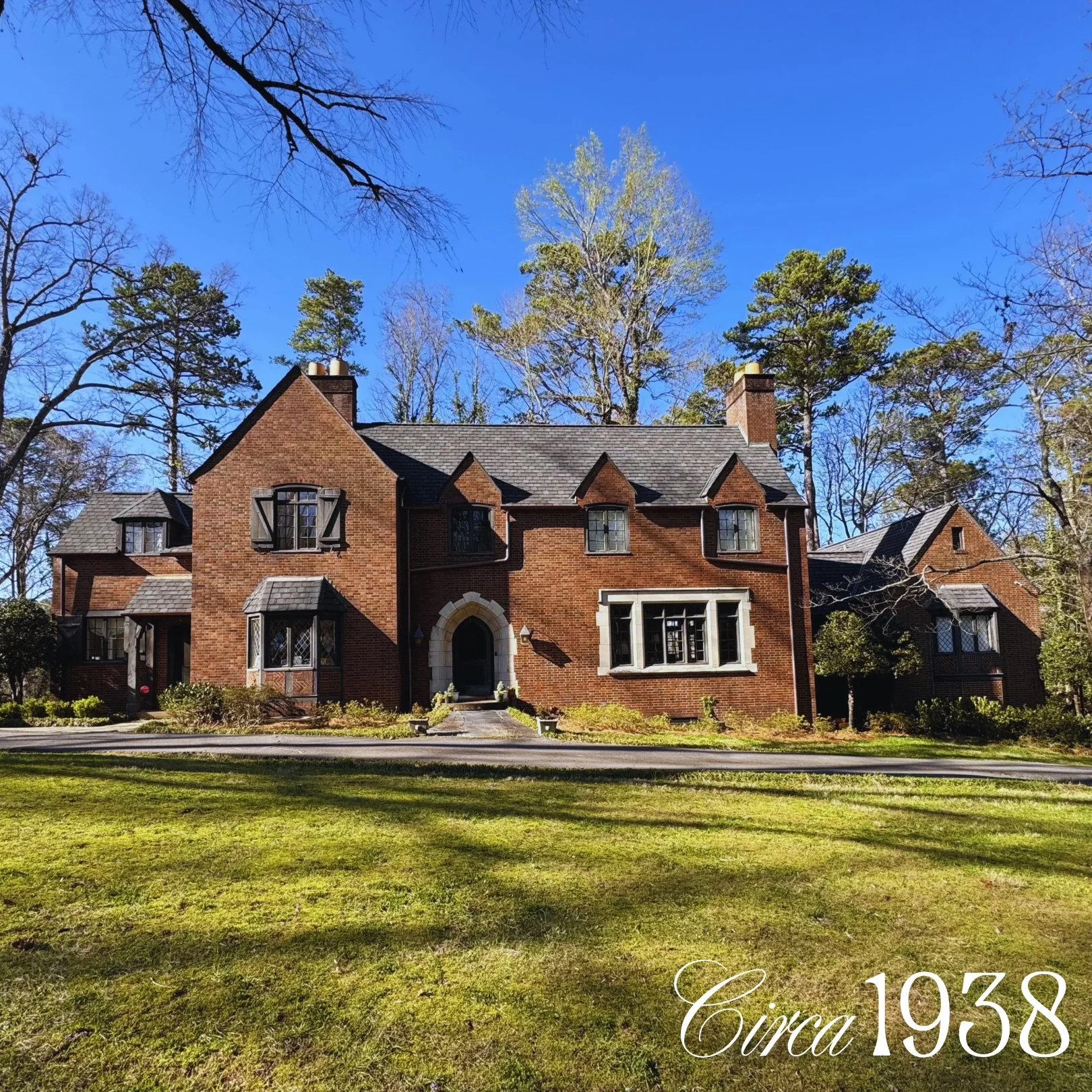
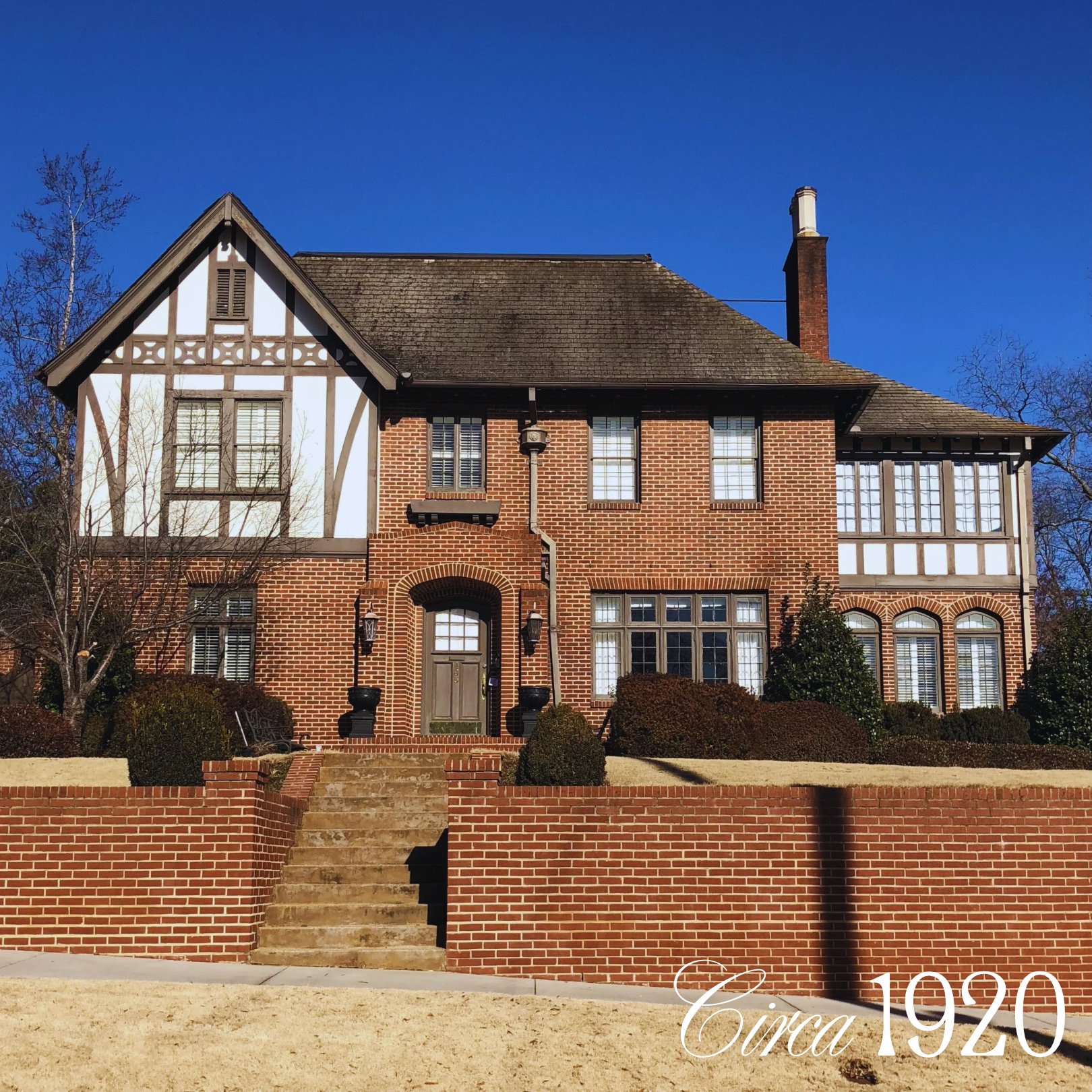
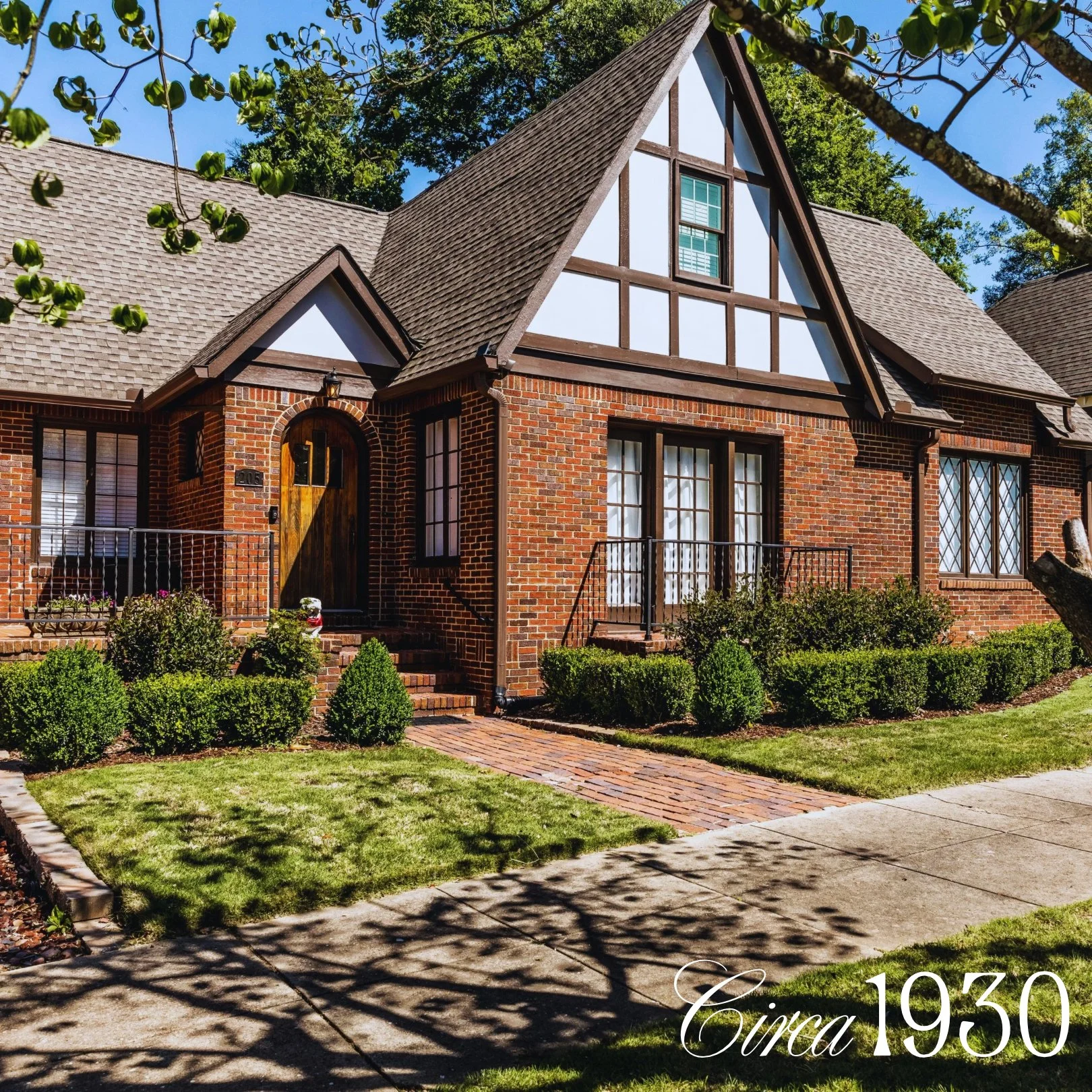
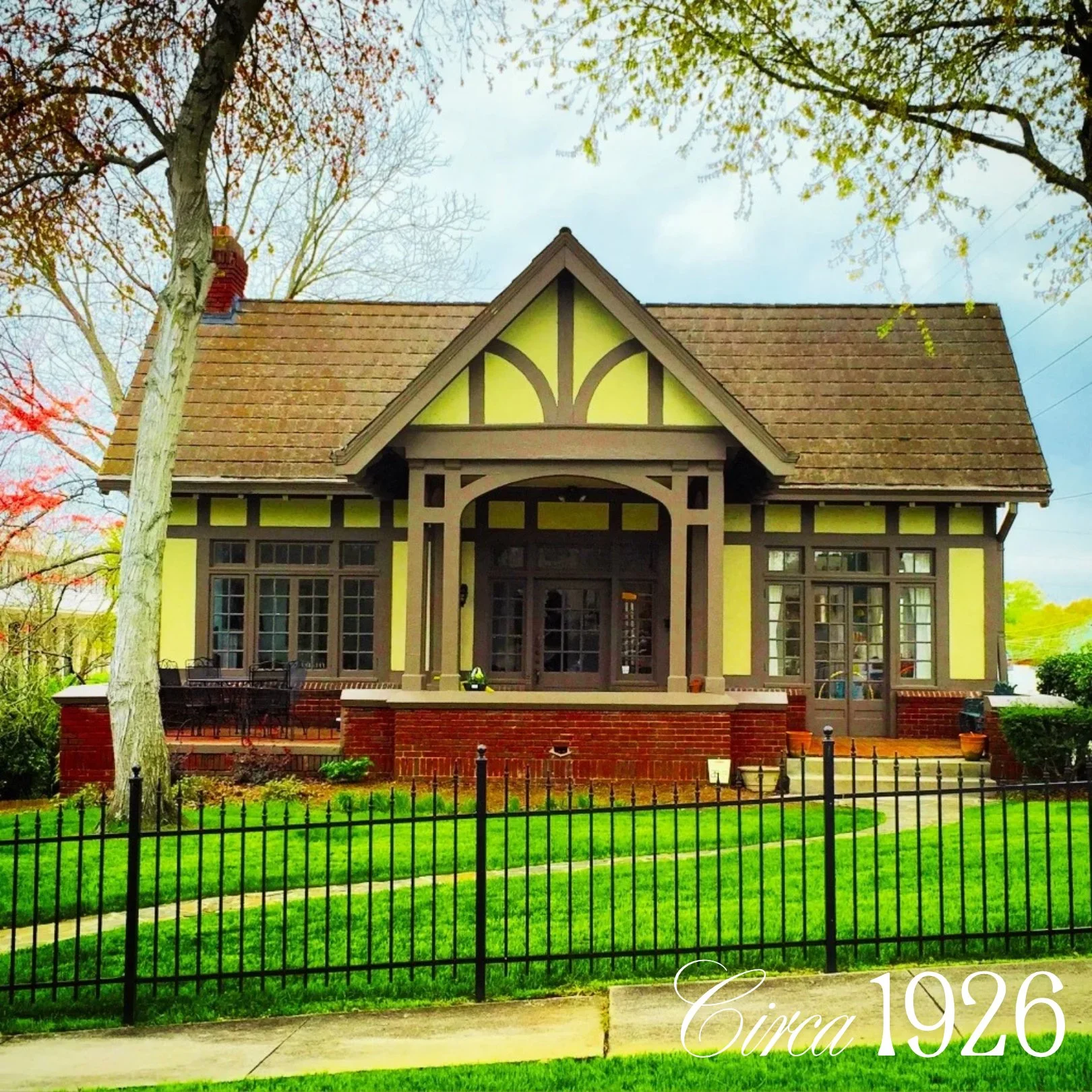
Unlike some communities where Tudor Revival architecture became a dominant residential style, Rome has only a relatively small collection of true Tudor homes. That's part of what makes them so special. When you come across one, it tends to stop you in your tracks.
My own home is one of them.
It's one of the reasons I've become fascinated with the style. The more time I spend studying Tudor architecture, the more I notice the incredible craftsmanship that went into these houses—details that are easy to miss if you're only looking at square footage or paint colors.
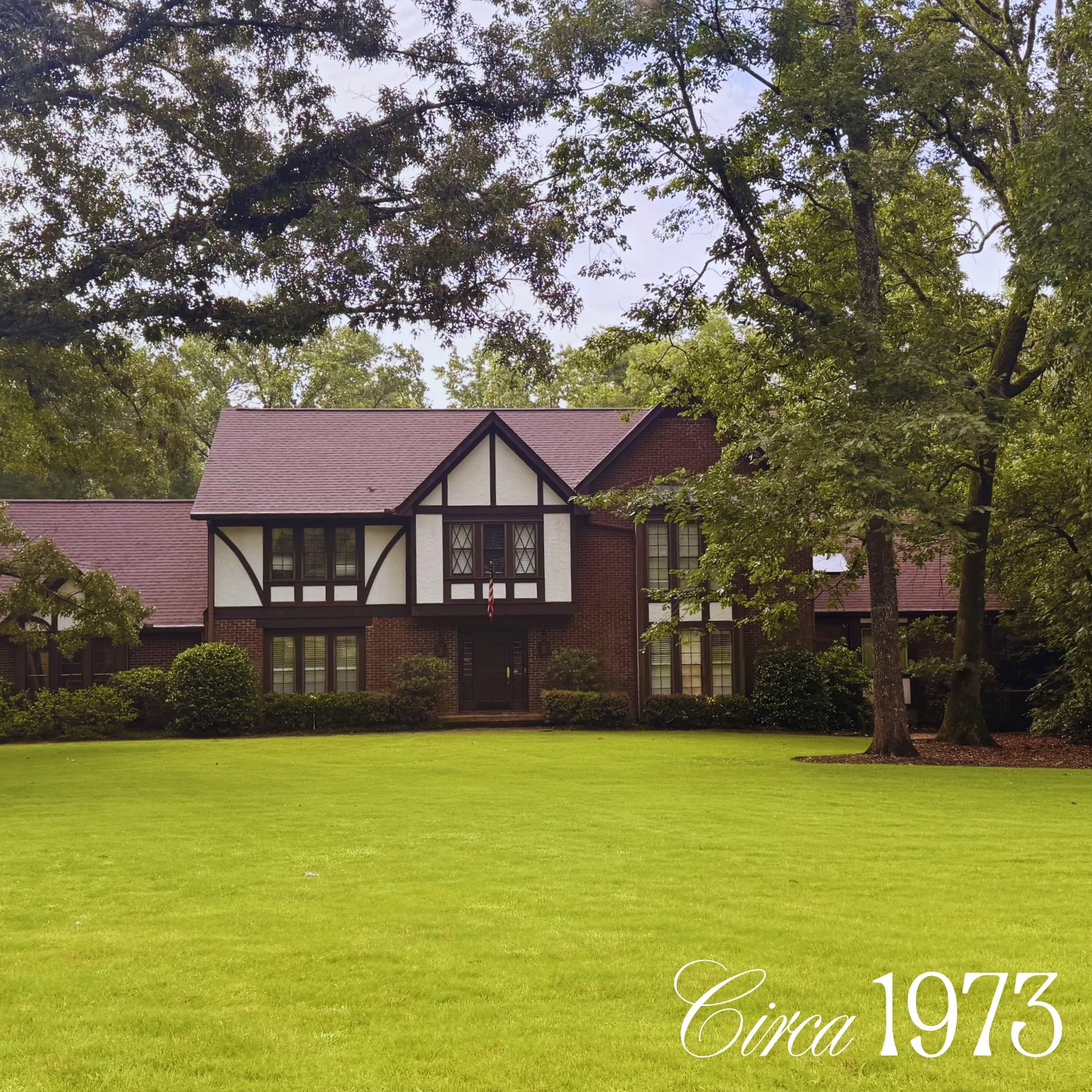
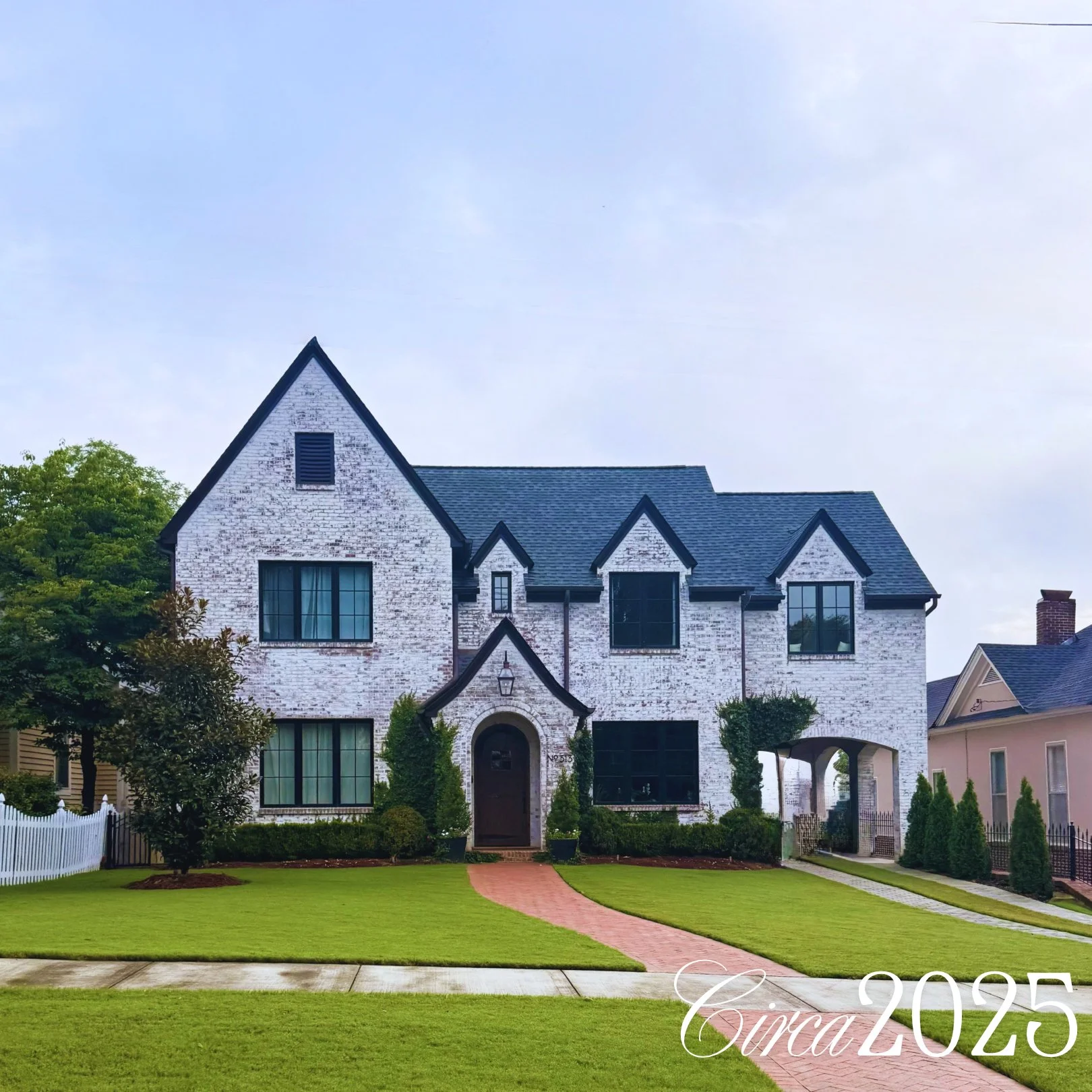
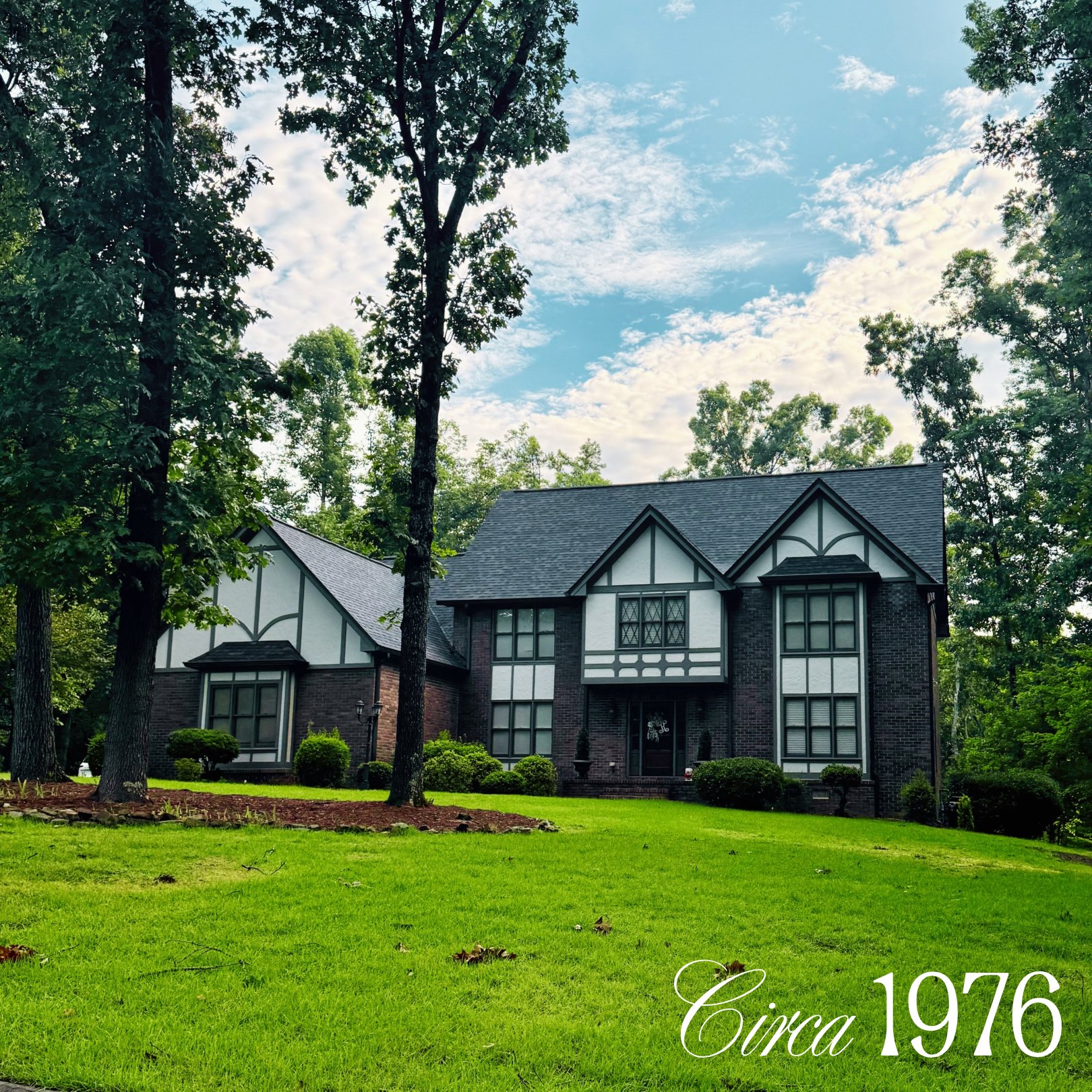
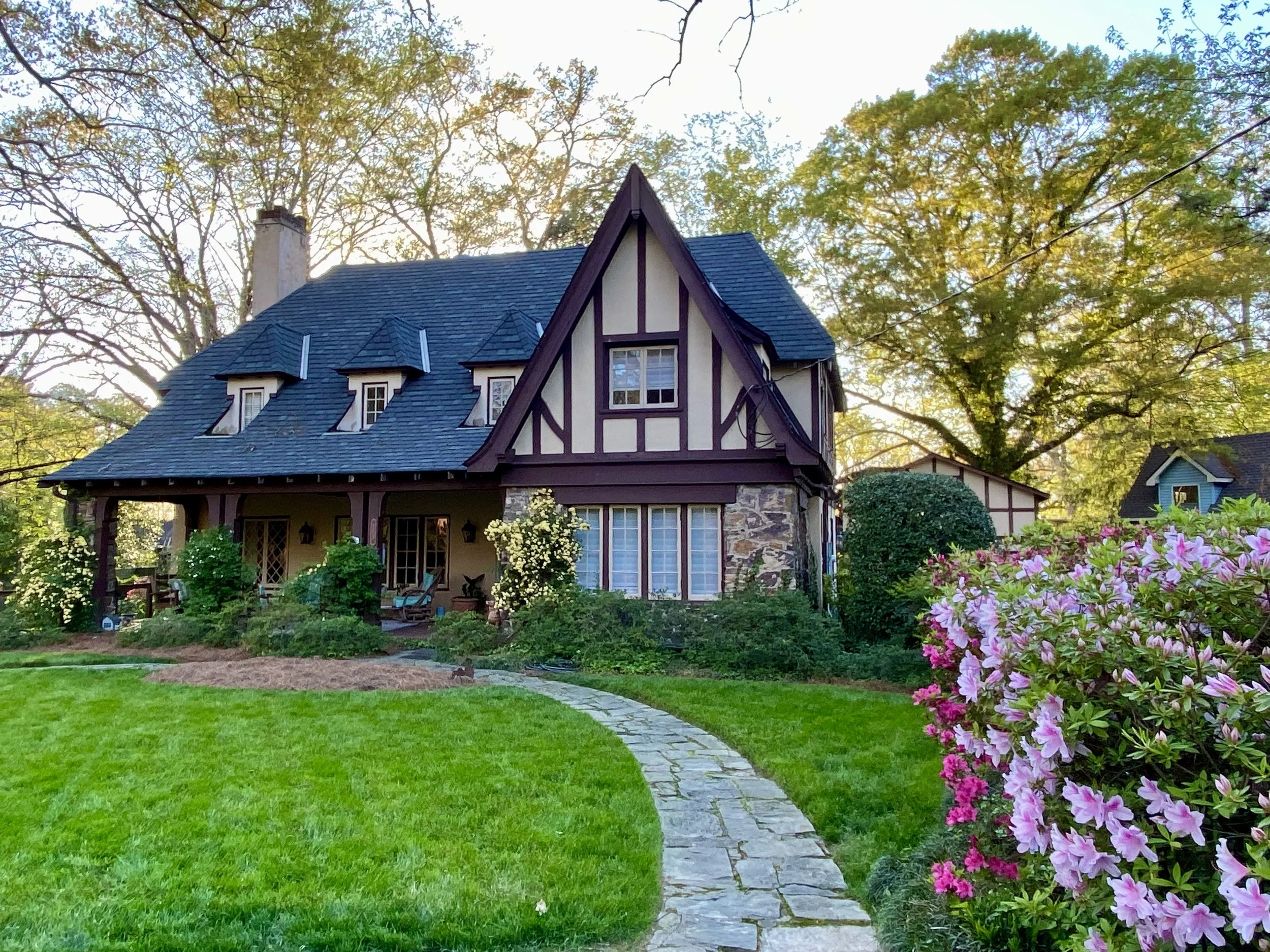
Tudor Revival arrived in America during the 1920s and 1930s, inspired by medieval English cottages and manor houses. Architects borrowed steeply pitched roofs, prominent chimneys, arched doorways, decorative half-timbering, leaded glass windows, and richly textured brick and stone to create homes that felt established from the day they were built.
Even though relatively few were constructed in Rome, the examples we do have are remarkably well executed. Several beautiful homes can be found tucked into downtown neighborhoods, College Heights, and along Horseleg Creek Road. Each has its own personality, but together they represent a period when homes were designed to age gracefully rather than simply follow the latest trend.
Interestingly, Tudor architecture never really disappeared.
Take a drive through newer neighborhoods almost anywhere in America and you'll notice echoes of the style everywhere. Tall front-facing gables, mixed brick and stone façades, decorative rooflines, oversized chimneys, and arched entries all trace their roots back to Tudor Revival—even if today's homes interpret those elements in a much simpler way. Many of the design features buyers gravitate toward in new construction are, in one way or another, borrowed from houses that were first built nearly a century ago.
That's one of the things I love about architecture. Styles evolve, trends come and go, but good design has a way of finding new life in every generation.
As a Realtor, I spend a lot of time helping people evaluate homes based on practical considerations—location, layout, price, condition, resale value. Those things matter. But architecture reminds us that a home is more than a financial investment. It's also an expression of the people who built it and the community it helped shape.
The next time you spot a steep roofline or an oversized chimney while driving through Rome, slow down for a moment. Look at the brickwork. Notice the proportions. Imagine the craftsmen who laid every brick by hand nearly a hundred years ago.
You may discover that one of Rome's most interesting architectural styles has been quietly waiting for you to notice it all along.