
RHJ: Colonial Revival
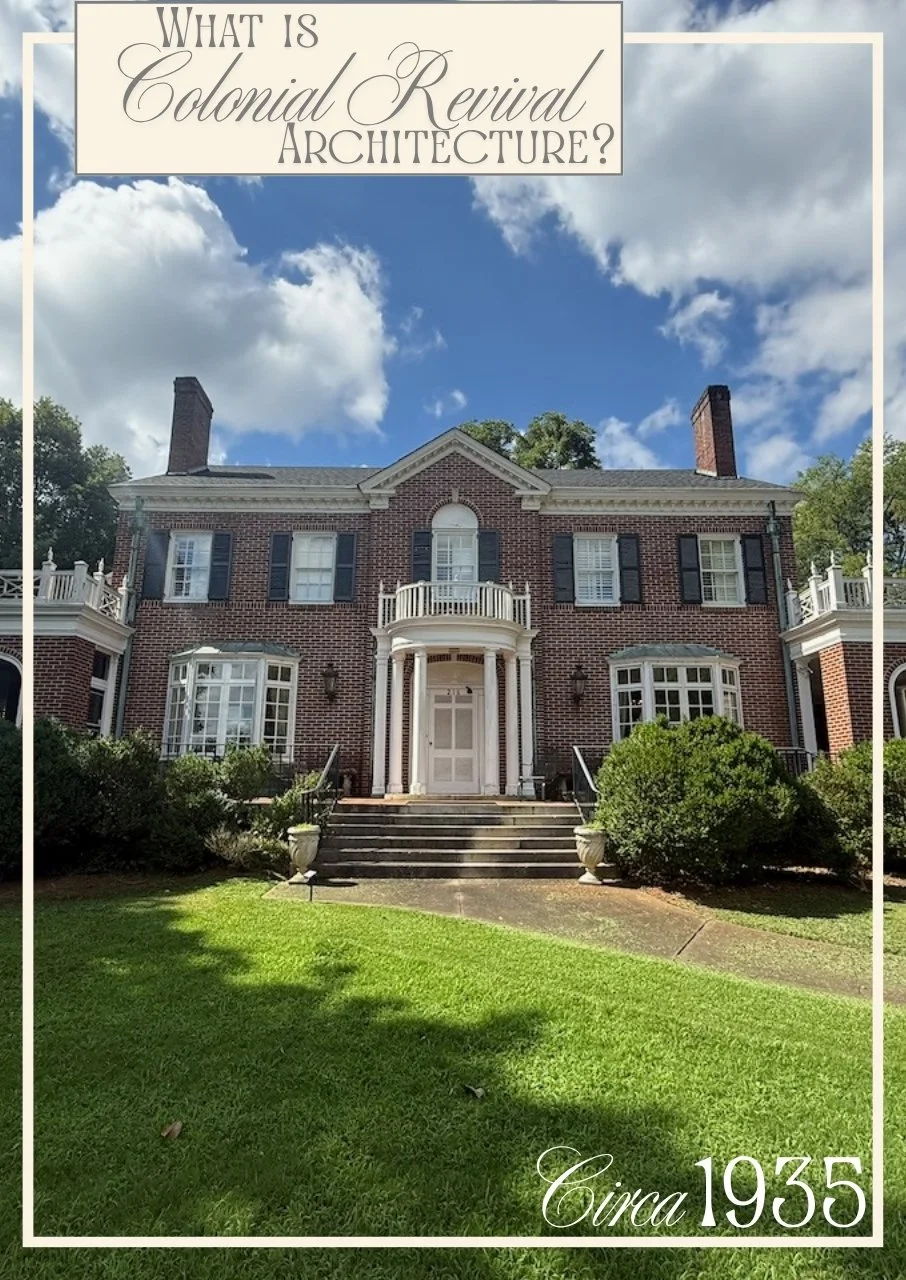
What Is Colonial Revival Architecture?
How to recognize one of America's most enduring architectural styles—and why Rome is full of it
There is a good chance that when someone asks you to picture a traditional American house, the image that comes to mind isn't actually Colonial.
It's Colonial Revival.
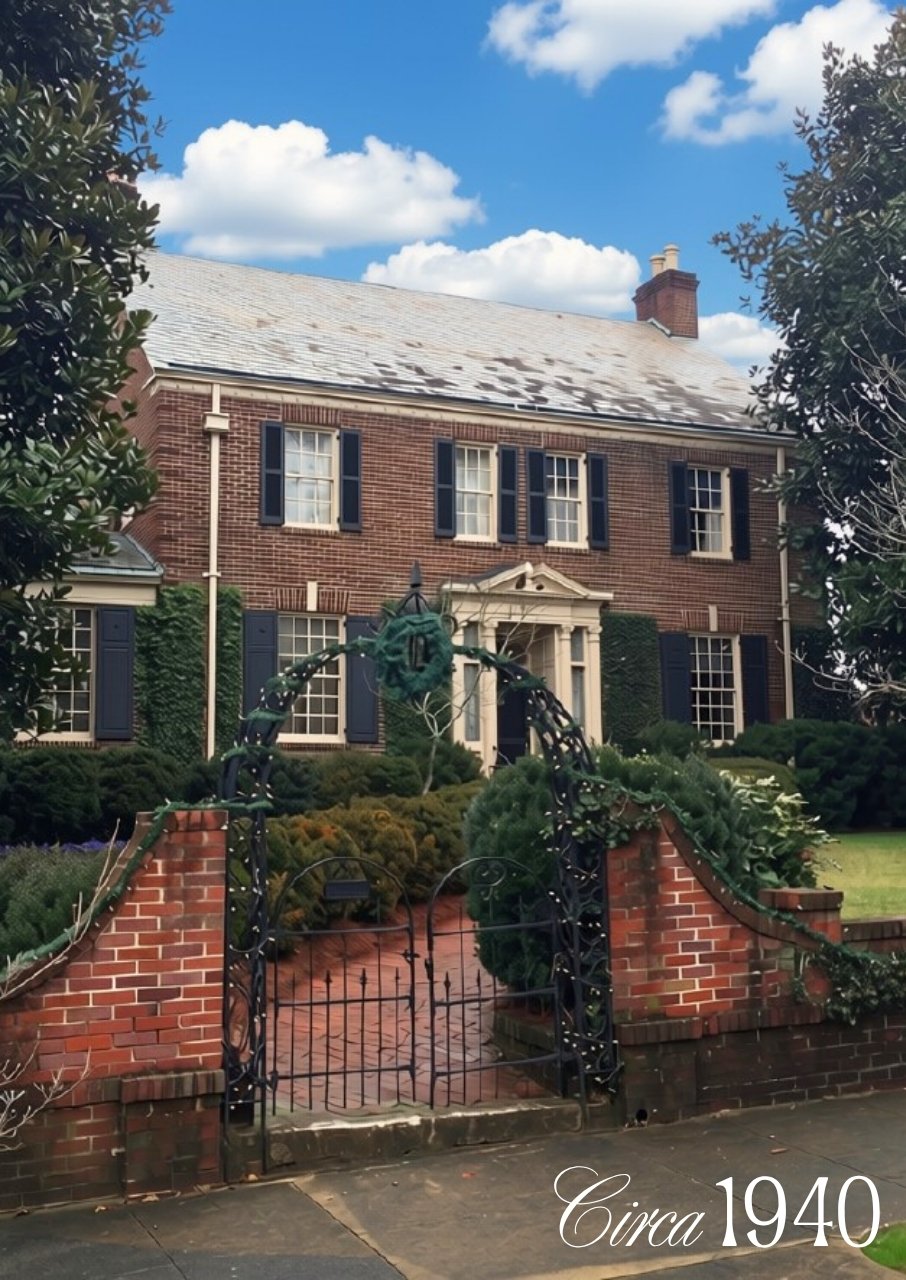
Picture a symmetrical brick or clapboard façade. A centered front door. Multi-pane windows with shutters. Maybe there's a small portico supported by classical columns, or a fanlight over the entrance. The whole thing feels orderly, familiar and unmistakably American.
But unless that house was built before the American Revolution—or not terribly long afterward—it probably isn't Colonial architecture at all.
It's borrowing from it.
And that distinction helps explain one of the most persistent and adaptable architectural styles in America.
Colonial vs. Colonial Revival
True American Colonial architecture belongs to the period when European settlers were establishing permanent communities in North America. Depending on where you were, those buildings could look quite different. Georgian houses weren't identical to Dutch Colonial houses, and New England buildings differed from those being constructed in Virginia and the Carolinas.
Colonial Revival came much later.
Beginning in the late 19th century, Americans developed a renewed fascination with the architecture of the country's colonial past. Architects began borrowing Georgian symmetry, Federal doorways, classical columns, multi-pane windows, shutters, dormers and other historic elements and adapting them to contemporary houses.
The result wasn't a literal recreation of colonial architecture.
It was a revival.
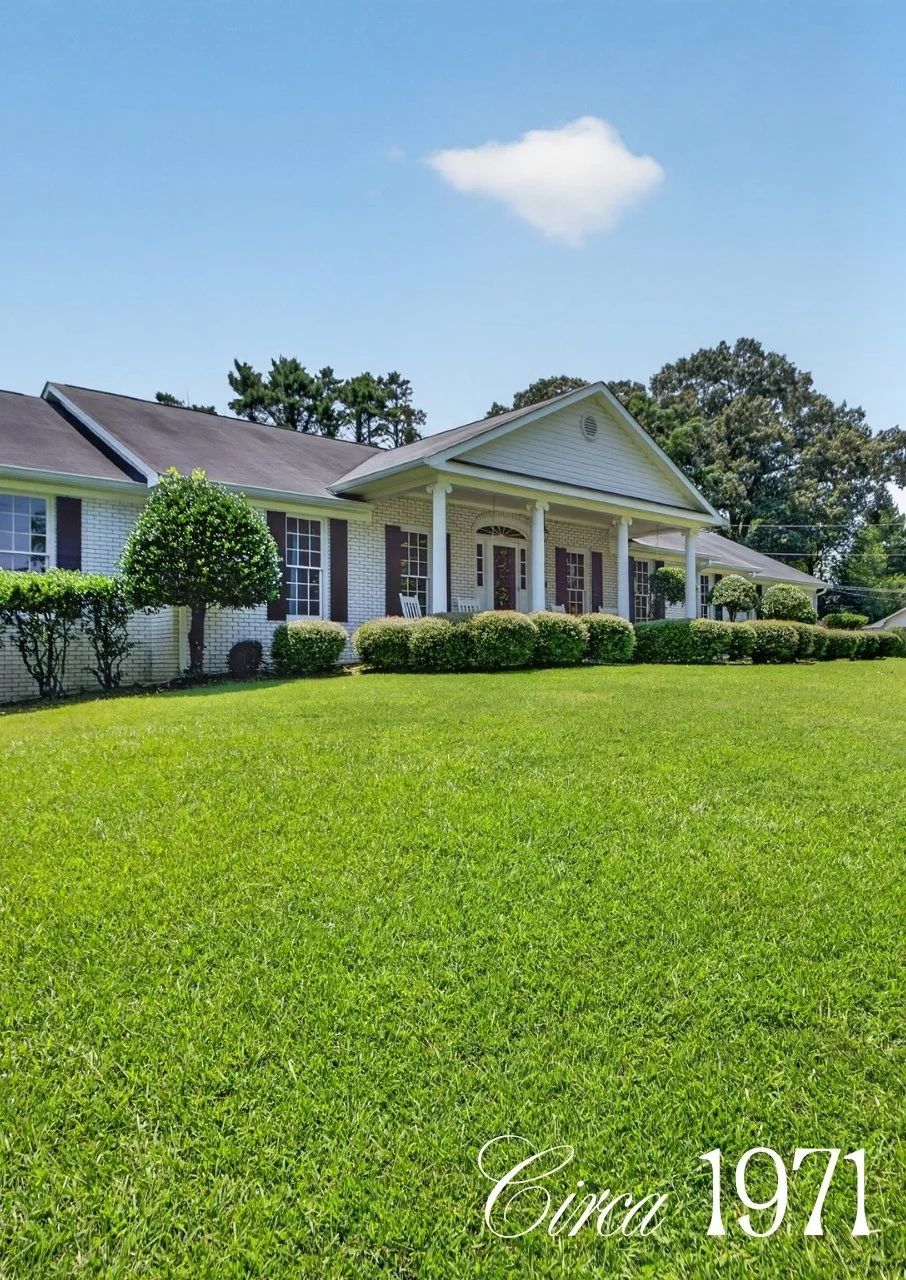
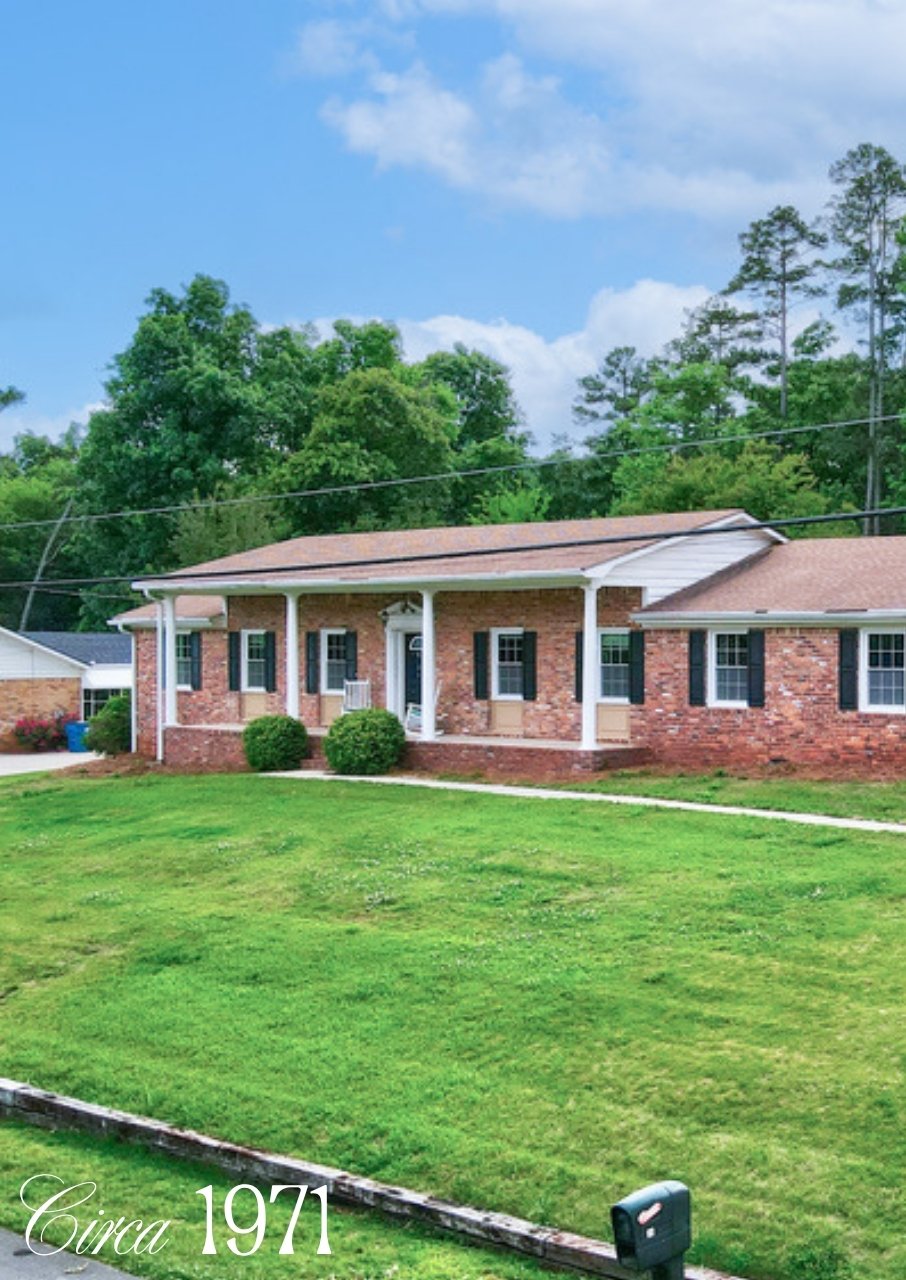
That distinction matters because Colonial Revival became extraordinarily flexible. A grand brick house built in the 1930s, a Cape Cod cottage from the 1940s, a sprawling suburban house from the 1960s and even a Ranch from the 1970s might all borrow from the same architectural vocabulary.
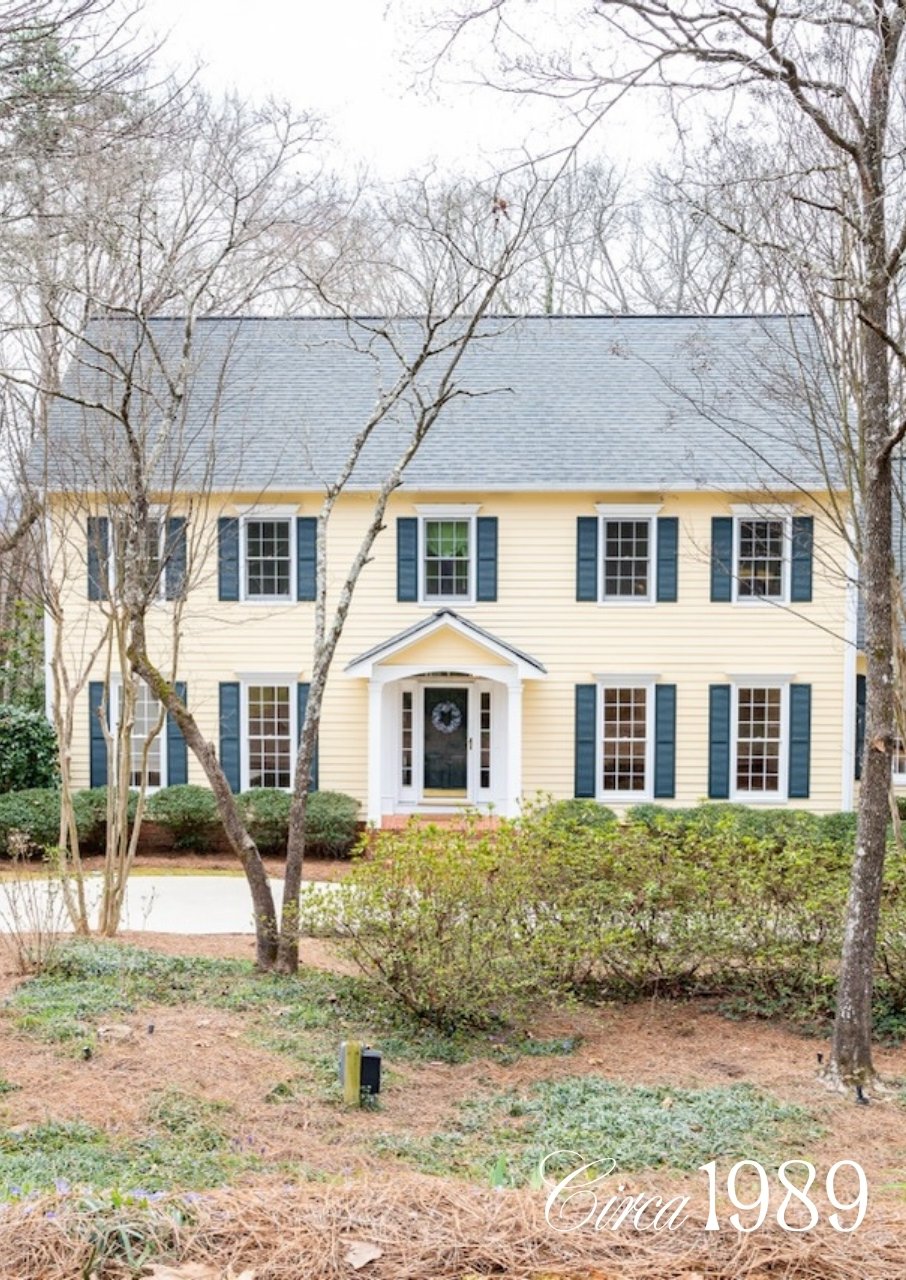
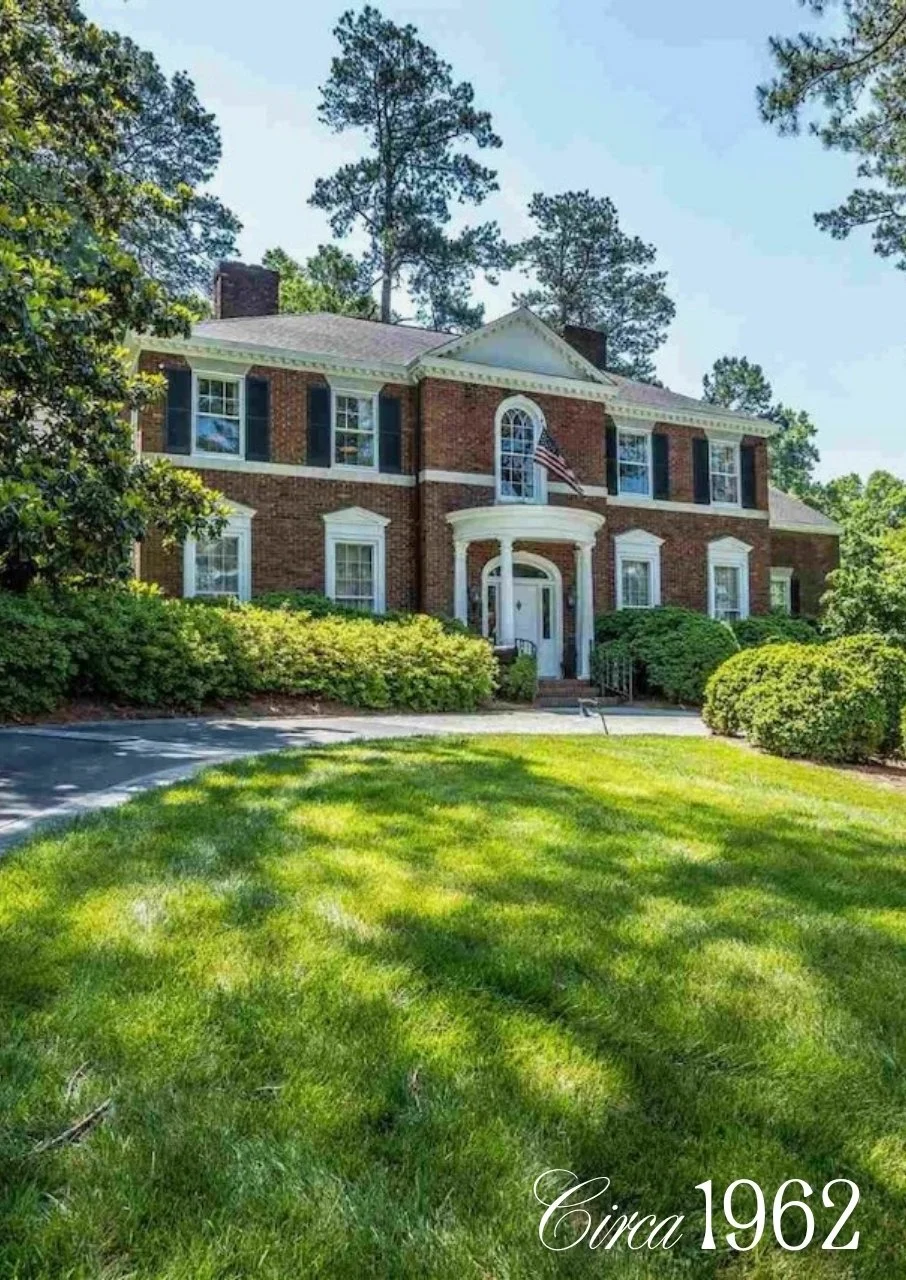
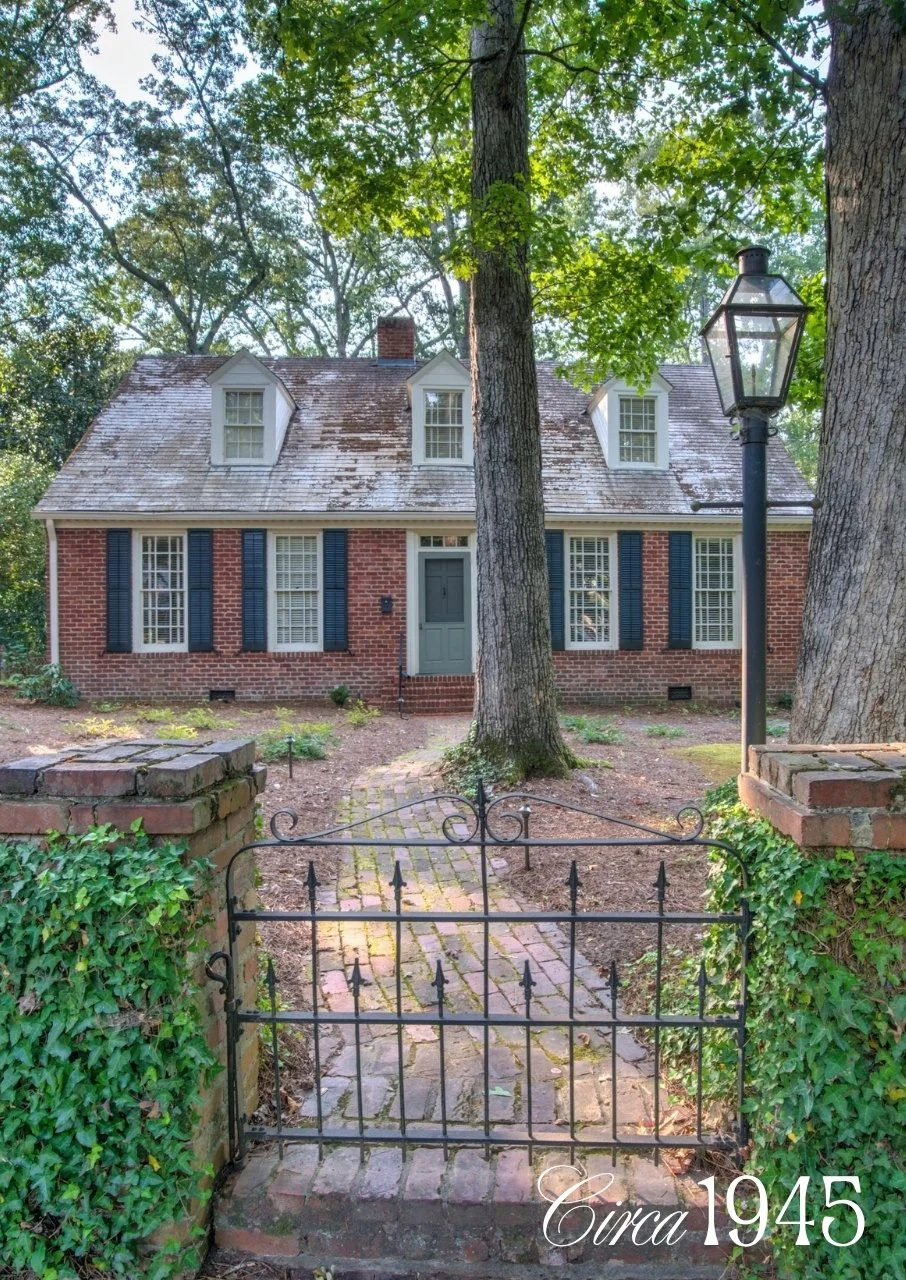
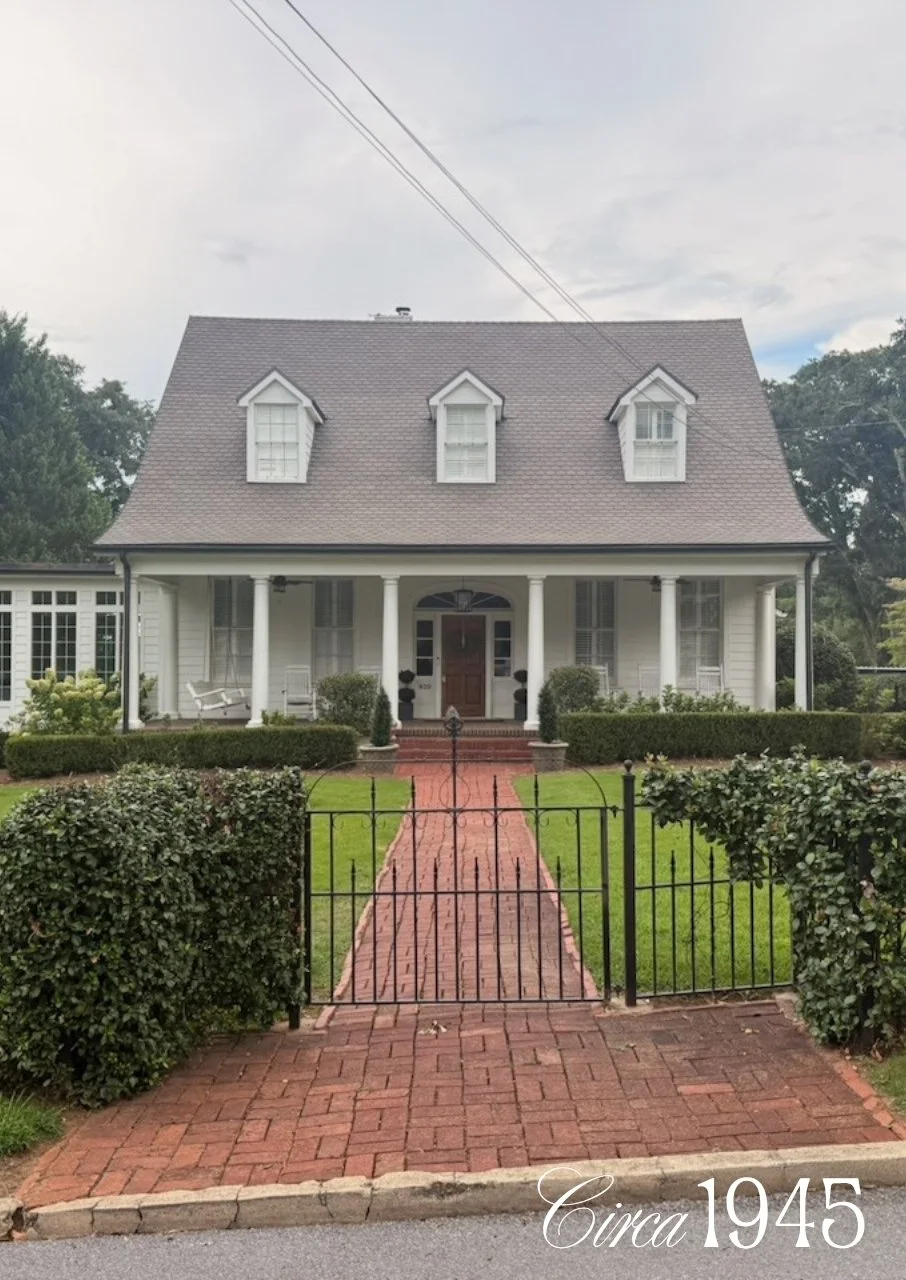
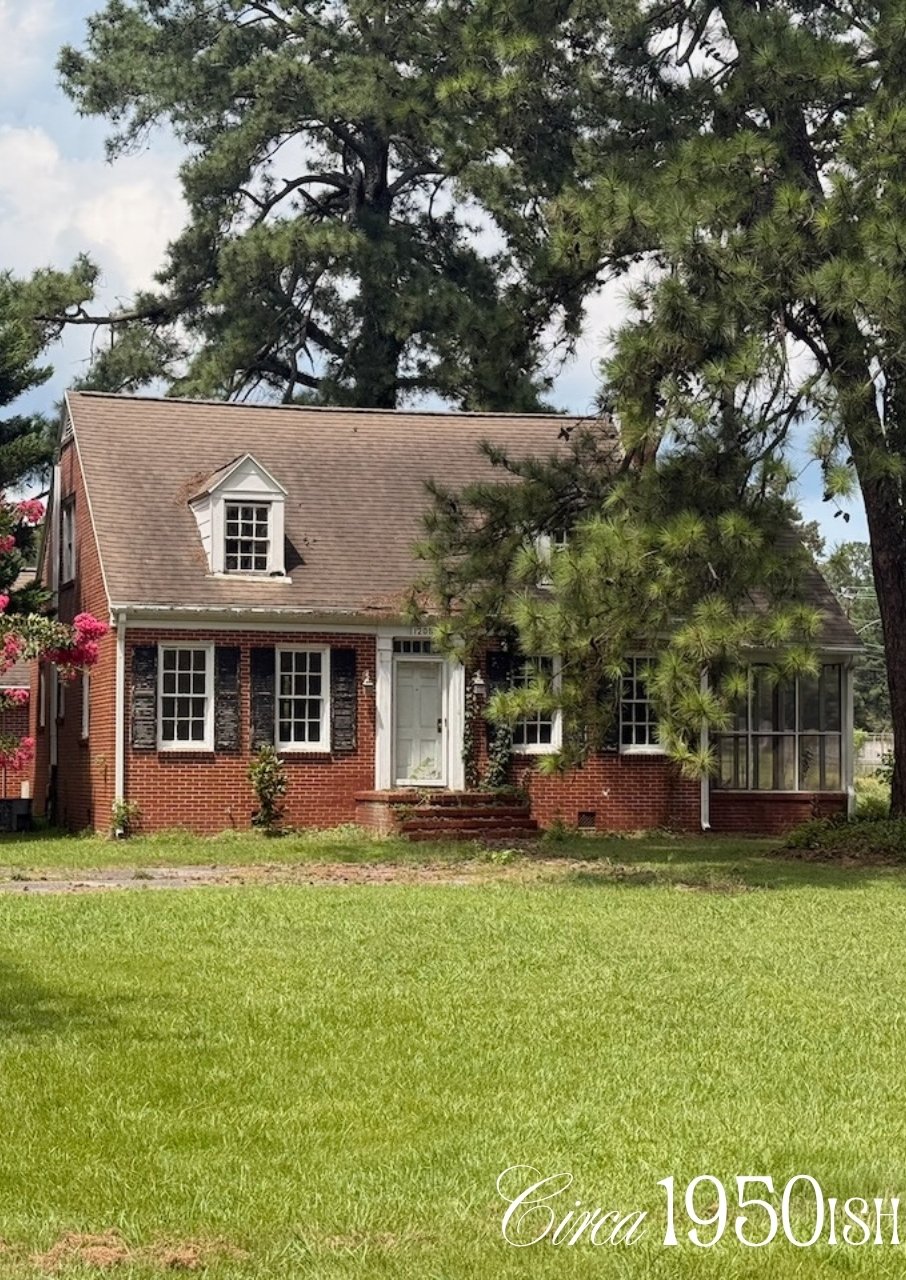
The houses pictured with this article demonstrate exactly that. They span decades, sizes and forms, but the family resemblance is still there.
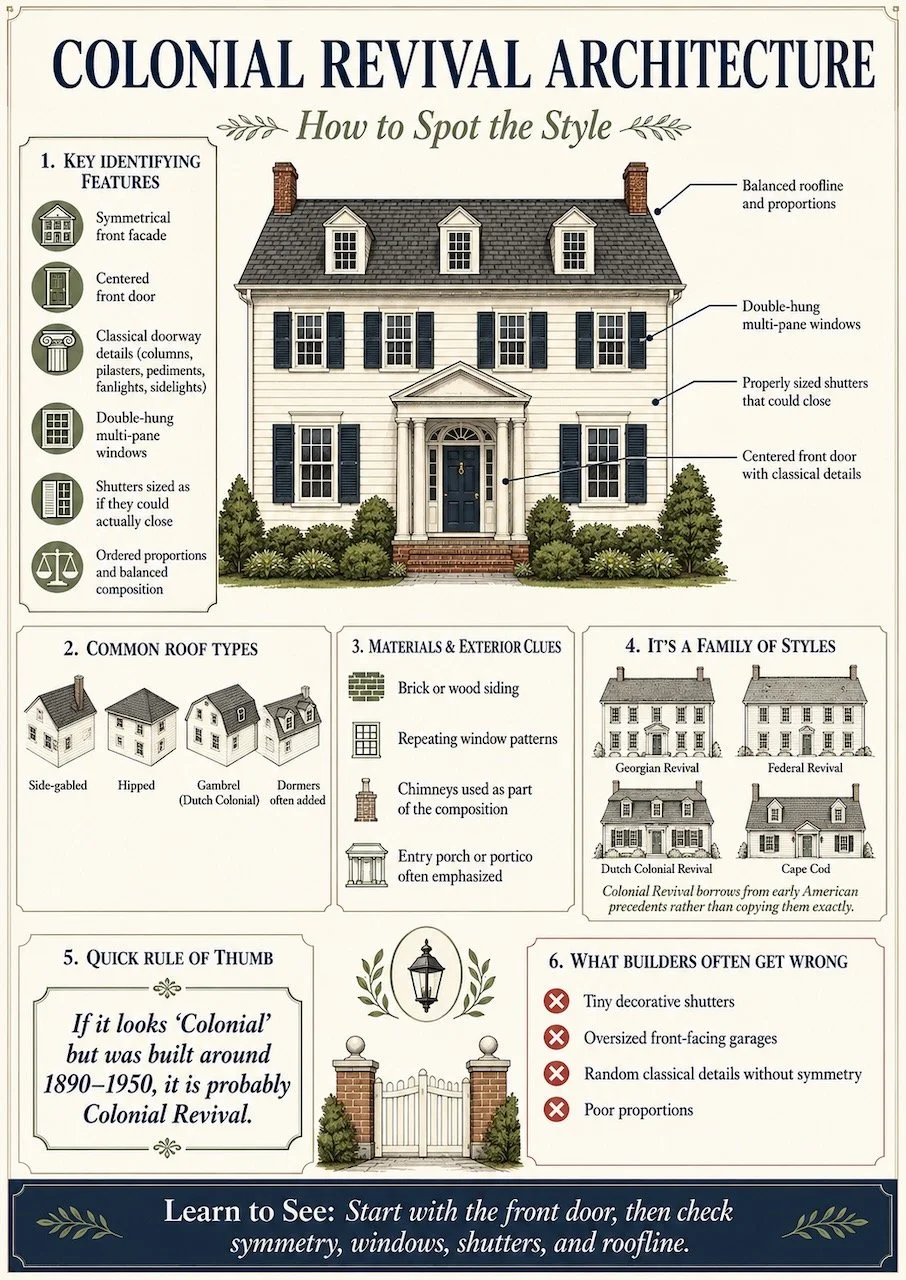
1. Start With Symmetry
If Tudor Revival celebrates irregularity, Colonial Revival usually wants things to behave themselves.
Look at the front elevation first. Is the entrance centered? Are windows arranged in a regular pattern on either side? Does the façade feel balanced?
Symmetry isn't an absolute requirement, but it is one of the style's strongest characteristics.
This is also why a well-designed Colonial Revival house can feel "right" even to someone who knows nothing about architecture. Our eyes recognize the order.
2. Look at the Front Door
If you only learn one trick for identifying Colonial Revival, make it this:
Look at the entrance.
Colonial Revival architects frequently concentrated much of the house's ornament around the front door. You might find sidelights, a fanlight, pilasters, columns, a pediment or a small classical portico.
The rest of the façade may be surprisingly restrained.
That hierarchy is important. The architecture is essentially telling you where to look.
3. Look at the Windows
Double-hung, multi-pane windows are another strong clue.
Six-over-six arrangements are particularly familiar, although you'll encounter plenty of variations. More important than the exact number of panes is often the rhythm created by the windows across the façade.
Again, Colonial Revival likes order.
And then there are the shutters.
Traditionally, shutters were functional, meaning each shutter needed to be approximately half the width of the window so the pair could actually close across it.
Modern builders frequently forget that.
Once you learn to notice tiny decorative shutters screwed beside enormous windows, I'm afraid there is no going back. Consider that either a warning or a public service.
4. Don't Be Fooled by the Roof
One reason Colonial Revival can be confusing is that there isn't one required roof shape.
You'll find side-gabled roofs, hipped roofs, gambrel roofs associated with Dutch Colonial Revival, and steep roofs punctuated by dormers. Cape Cod-inspired versions may be only one or one-and-a-half stories tall, while Georgian Revival examples can be substantially larger.
That means identifying the style requires looking at the whole composition, rather than checking off one feature.
A dormer doesn't make something Colonial Revival.
Neither does a column.
5. It's Really a Family of Styles
"Colonial Revival" works best as an umbrella.
Within it you'll find houses heavily influenced by Georgian architecture, Federal architecture, Dutch Colonial precedents and Cape Cod cottages. Some examples carefully reproduce historic details. Others simply borrow enough elements to suggest tradition.
And as the 20th century progressed, those elements migrated onto houses that otherwise had little to do with historic Colonial architecture.
That's how you end up with a 1970s Ranch house with shutters, classical porch columns and a pedimented entrance.
Is the house itself truly Colonial Revival?
Maybe not.
But its architect or builder was unquestionably borrowing from the Colonial Revival playbook.
Why Rome Has So Much of It
Rome is particularly good territory for learning to recognize the style because our neighborhoods developed over many different periods.
Earlier 20th-century neighborhoods contain some of the more convincing revival examples. Later neighborhoods reinterpret those ideas for postwar suburban life. By the 1970s and '80s, Colonial details had become so deeply embedded in American residential design that builders could apply them to almost any house form.
That's part of what makes comparing these houses interesting.
The approximately 1935 house and the approximately 1989 house pictured here were built more than half a century apart. They aren't identical. They aren't supposed to be.
But they share a language.
And one of the houses featured here, 6 Greenbriar, is currently for sale. I like including it because it illustrates something I encounter constantly in real estate: architectural styles rarely fit perfectly into neat little boxes. Houses evolve, styles overlap, and builders borrow details they like.
Learning architecture isn't really about memorizing labels.
It's about learning to recognize those relationships.
Learn to See
The next time you see a house that looks "Colonial," resist the temptation to start with the columns.
Start with the front door.
Then move outward.
Is the façade symmetrical? Are the windows evenly spaced? Are they multi-pane? Do the shutters appear correctly proportioned? Is the entrance emphasized with classical details? Does the entire composition feel balanced?
Then look at the roof and overall shape of the house.
You may discover a Georgian Revival mansion.
You may discover a Cape Cod.
You may discover a Ranch wearing Colonial clothes.
And that's where architecture starts getting interesting.