
RHJ: Before Battey Disappears
THE ROME YOU CAN’T SEE ANYMORE
A historic hospital campus, a proposed data center, and the question Rome should be asking before it is too late.
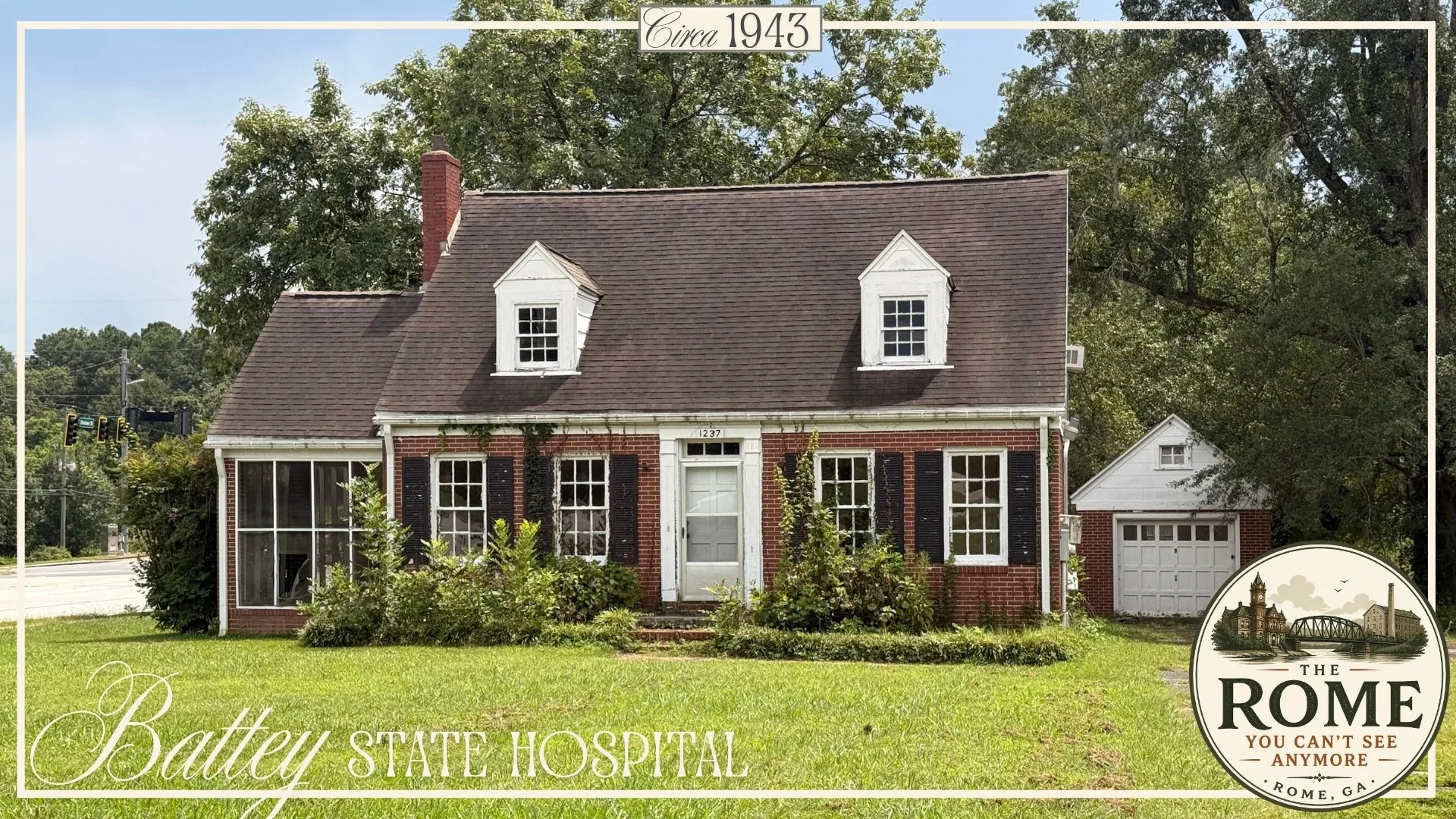
There is a strange little neighborhood hidden in plain sight in North Rome.
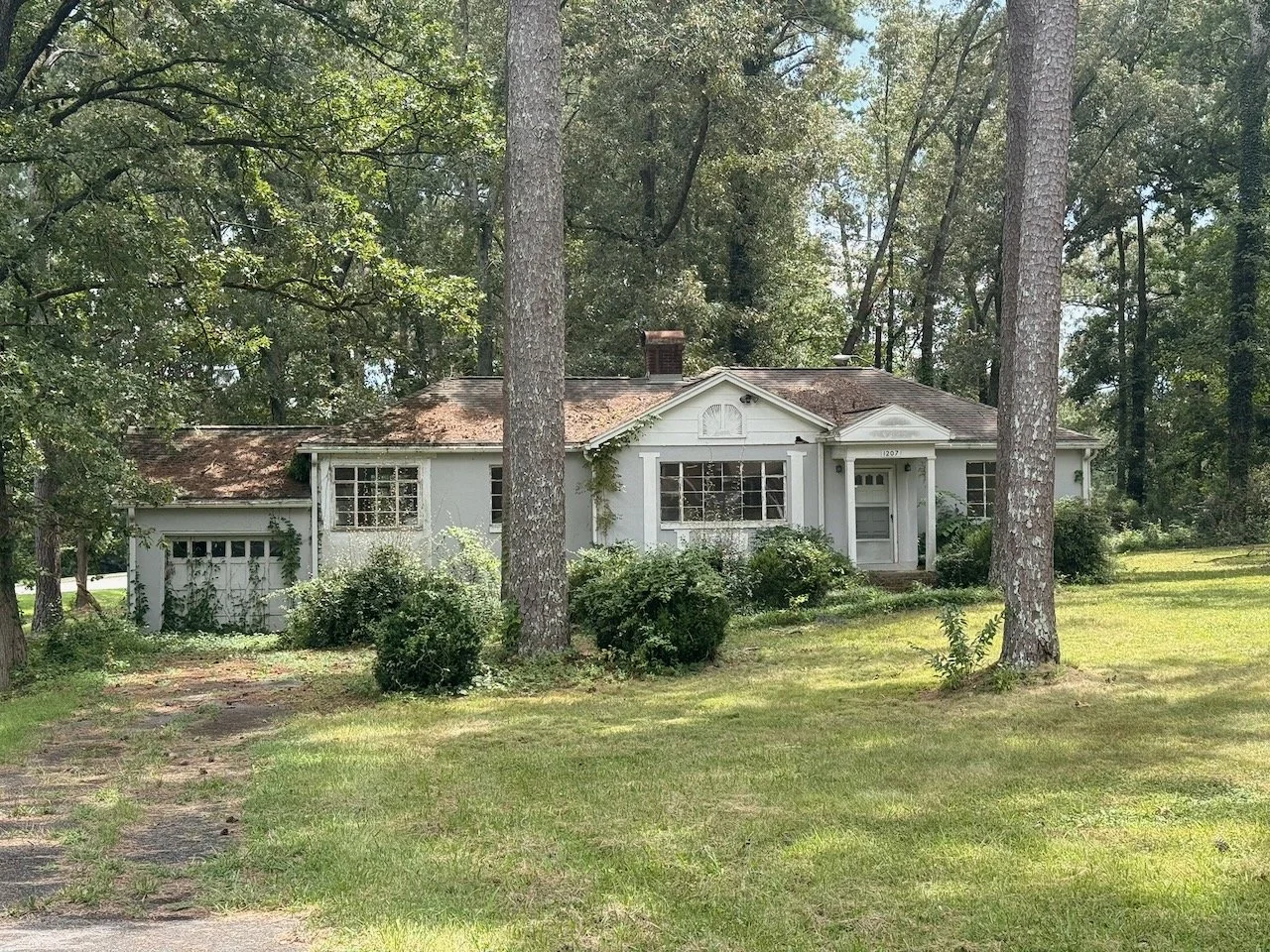
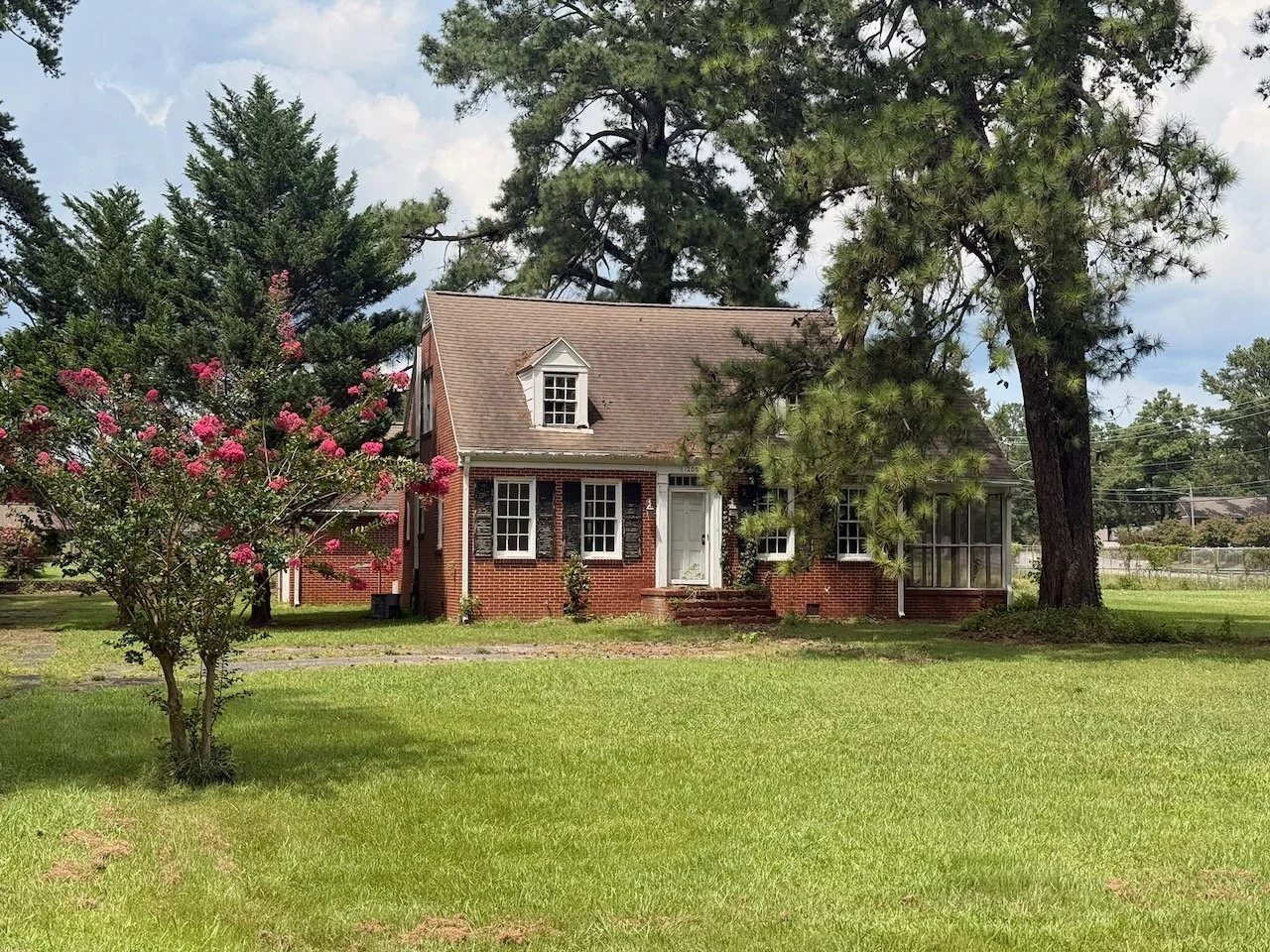
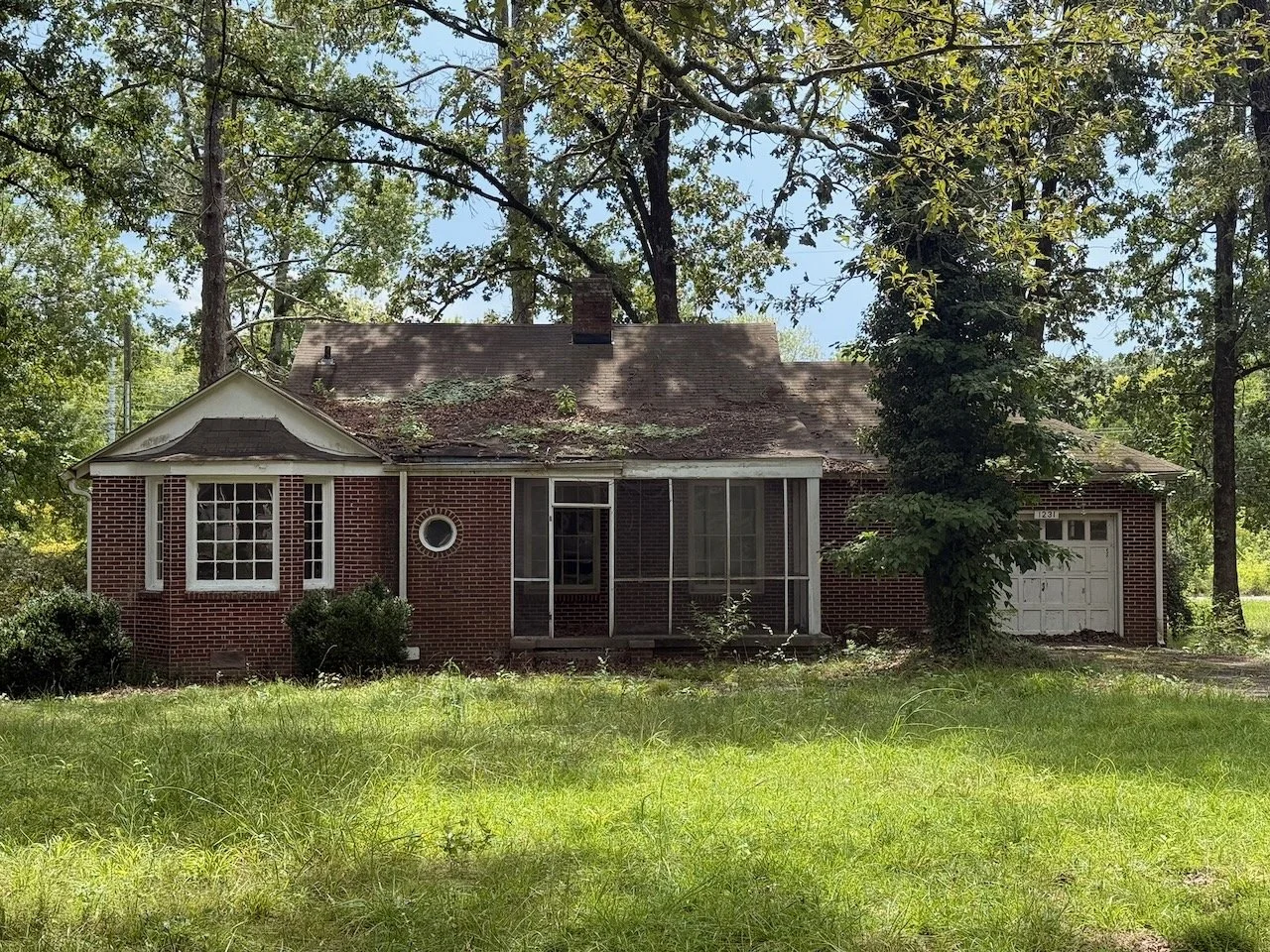
Brick houses line quiet streets. Mature trees rise above them. Porches face lawns that have slowly disappeared beneath weeds. Windows are broken. Roofs sag. Vines creep across walls.
No one lives there anymore.
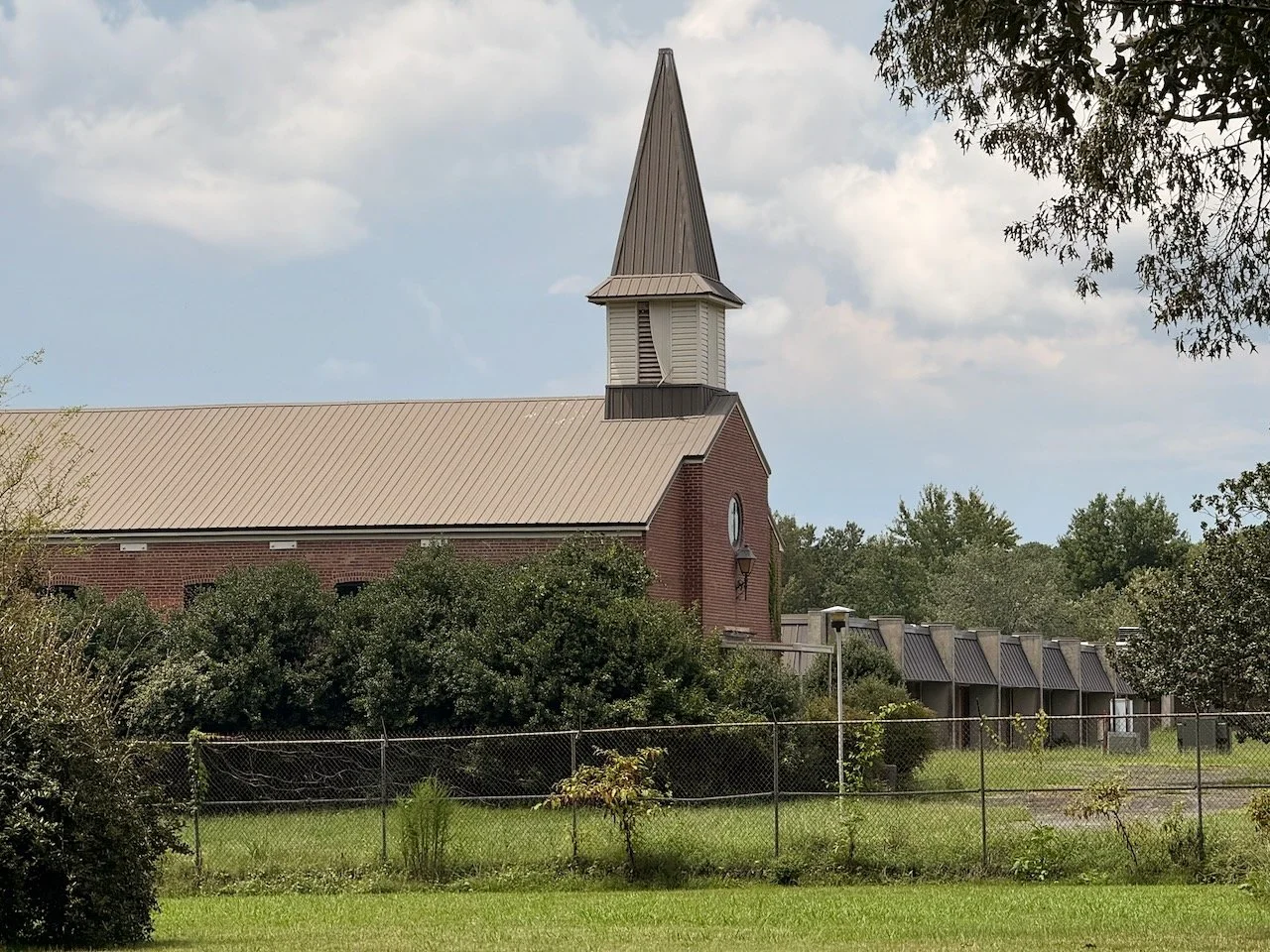
These houses are part of the former Northwest Georgia Regional Hospital campus—what many Romans still know as Battey.
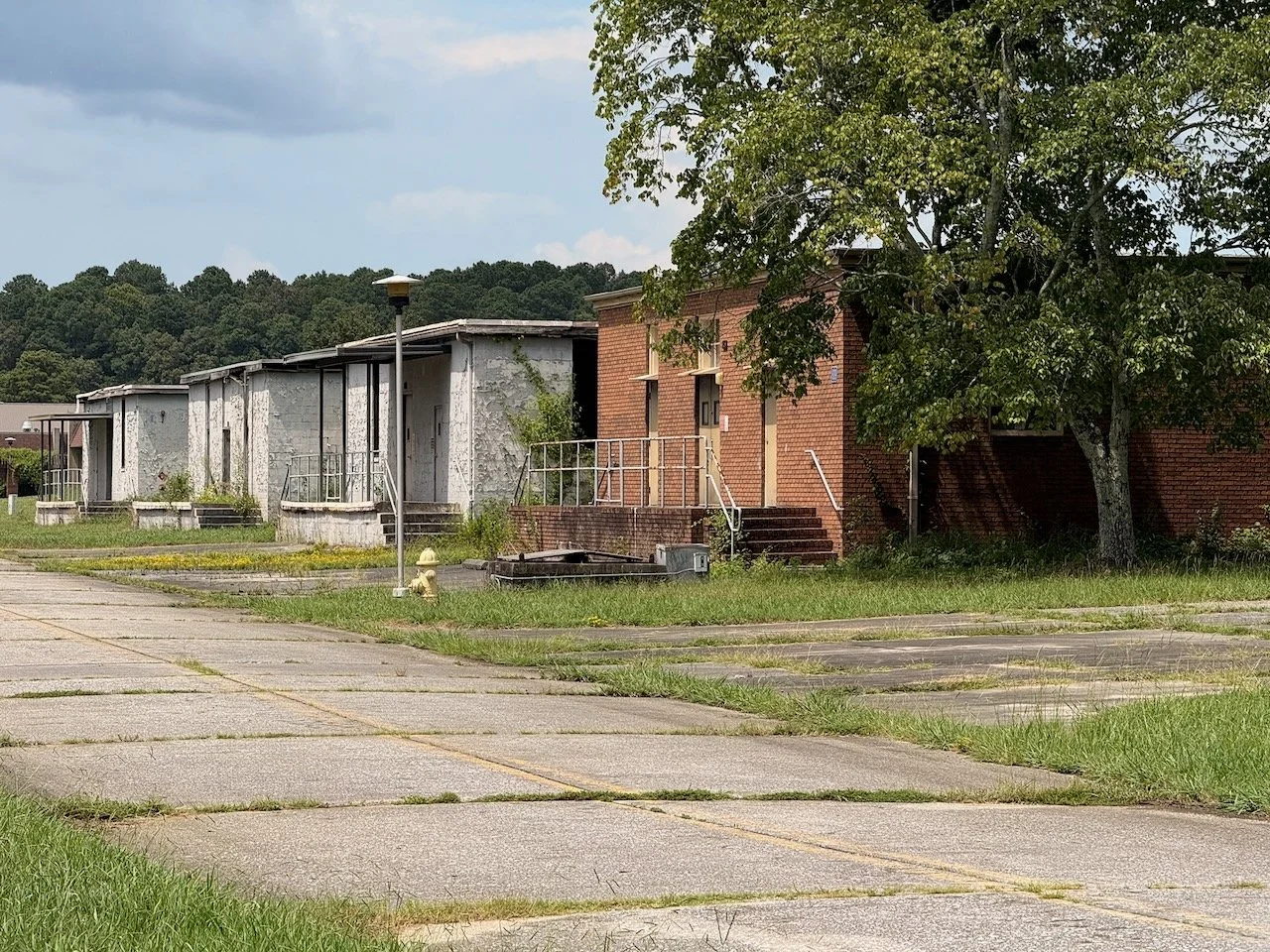
The hospital has been vacant since 2021 when the last patient left, and many of the buildings have deteriorated badly. Federal documents describe 57 vacant structures on the property, including 24 remaining houses, with asbestos, lead-based paint, and areas of lead-contaminated soil that must be addressed before redevelopment can occur.
Some of these buildings may already be too far gone to save. Maybe most of them are. But before they disappear, I think Rome needs to ask a larger question.
What should happen to this place?
Right now, the answer appears to be a data center.
I think that is the wrong answer.
Not because I am opposed to data centers. They are part of the infrastructure of modern life. Communities will continue competing for them, and there are places in Rome and Floyd County where this type of development may make perfect sense.
But this is not one of those places.
Location matters.
Context matters.
And this particular piece of Rome deserves much more imagination than we are giving it.
This Was a Campus
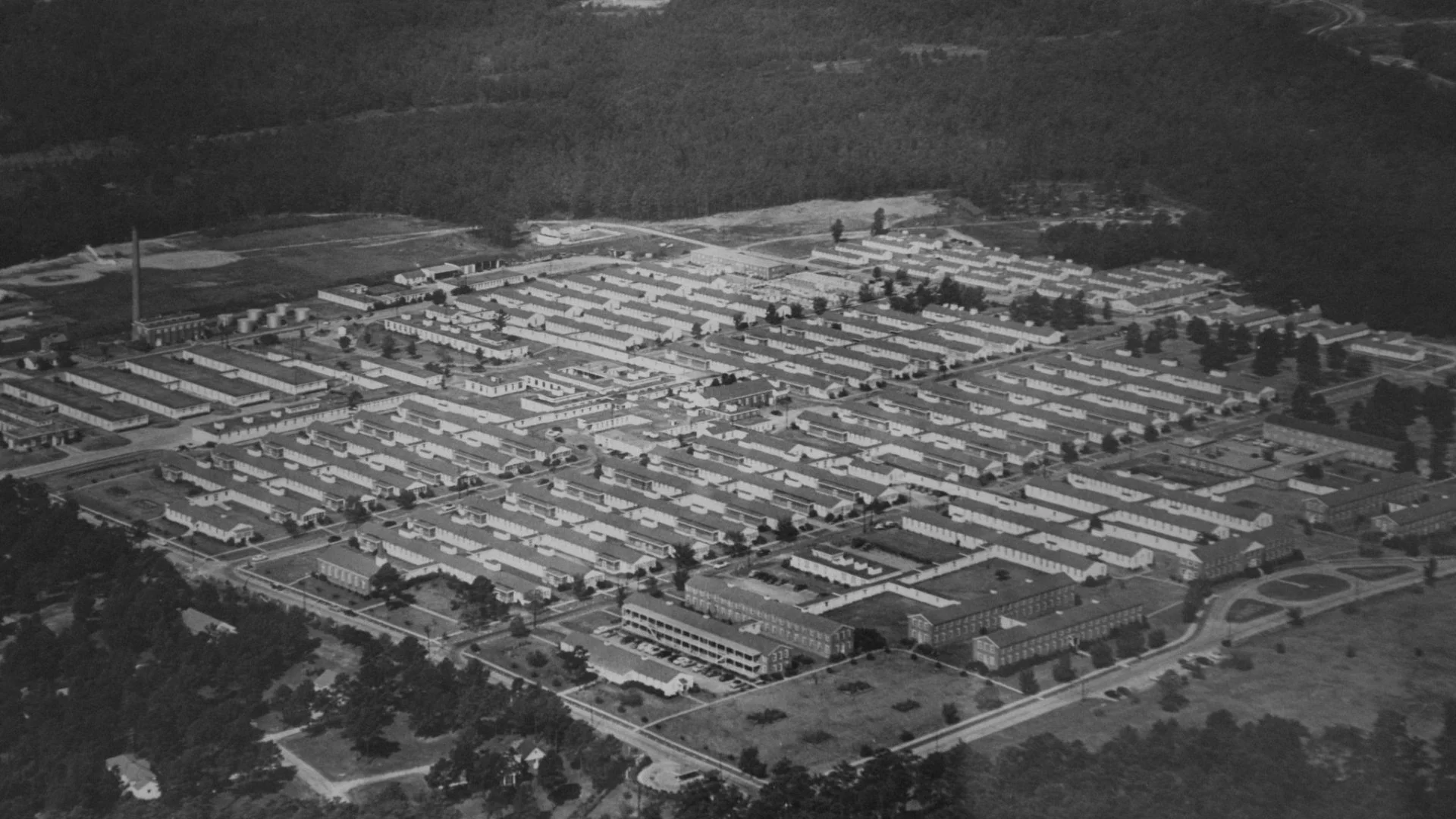
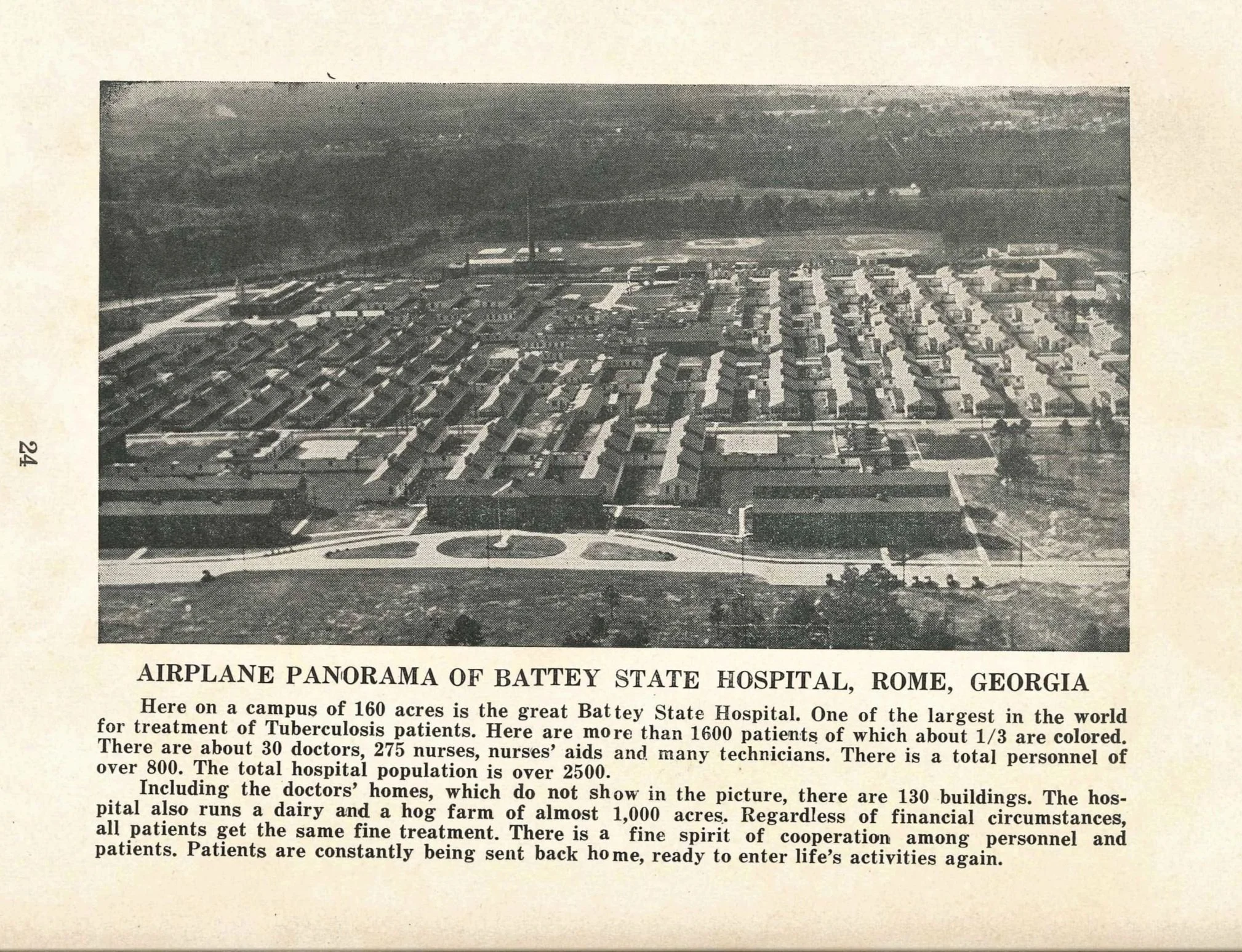
Battey was never simply a collection of institutional buildings dropped onto an industrial tract. It was designed as a campus.
The property began developing in 1943 as a hospital for WWII soldiers. In 1946, it began life as a public hospital serving tuberculosis patients. The property continued evolving over more than 70 years. In 1973, it was renamed Northwest Georgia Regional Hospital and began to serve patients with mental illness and developmental disabilities. By 1977, the hospital reportedly averaged 281 patients a day and employed 605 people. When it eventually closed, the community lost roughly 700 jobs along with services and housing for a vulnerable population.
You can still read that history in the landscape (and in this V3 article). The surviving brick residences are especially revealing. They do not look like industrial buildings. They look like houses. And at one time there were approximately 30 of these on the campus. They sat along streets. They had front yards. They relate to one another like a neighborhood. Even deteriorated, they remind us that this land was built around people.
Employees lived and worked on campus. Families visited. People walked these roads every day. This was a city within a city. For more on the history and historic photos, check out https://abandonedgeorgia.com/battey-state-hospital/
That history does not mean every structure must be preserved. Preservation is not the belief that every old building should remain forever. But it should make us think carefully before deciding what replaces them.
A Remarkable Piece of Land
Consider where Battey sits. Immediately beside it is AdventHealth Redmond. Berry College begins roughly a block away. Summerville Park is next door. College Heights is less than a mile away. Established residential streets surround the area. This is not an isolated property at the edge of Floyd County. It is an enormous piece of centrally located land surrounded by healthcare, education, neighborhoods, trees, and some of Rome’s most distinctive residential areas.
And we are proposing to dedicate roughly 100 acres of it to a data center.
That deserves more scrutiny than it has received.
In August 2025, the Rome-Floyd County Development Authority announced that it had signed a term sheet to sell the remaining approximately 100 acres of the Battey property to Atlas Development for $5.7 million. The property is already zoned Heavy Industrial, meaning the proposed developer would not need additional approval from the Rome-Floyd County Planning Department. The announced terms also state that the deed would restrict the property specifically to data-center development. (Rome Floyd Development Authority)
Think about that last part. Not simply industrial development. Not a flexible business park that could evolve over time.
A data center.
Once that happens, one of the largest redevelopment opportunities inside Rome becomes committed to a very specific use for generations.
This Wasn’t Always the Vision
What makes the proposal even more difficult for me to understand is that this was not how the property’s future was originally described. In 2015, Rome and the Development Authority commissioned a redevelopment plan for the former hospital campus. That process included stakeholder input, community visioning sessions, and a concept plan.
The priorities were job creation, an increased tax base, opportunities for businesses, and civic amenities. The conclusion was a business park. Years later, when the Development Authority applied for a $2 million EPA Brownfields Cleanup Grant, that vision was still central to the application.
The document described plans to demolish most of the buildings and create a “Class A Business Park.” Three structures were specifically identified for reuse: a building for daycare, the former chapel for community groups, recreation and social services, and an existing pavilion.
The projected economic benefits were ambitious.
The redevelopment plan anticipated $85 million to $100 million in private investment, $1.2 million to $1.4 million in annual property taxes, and between 2,100 and 2,900 permanent jobs. The grant application specifically emphasized that redevelopment would create opportunities for training and access to higher-paying local jobs.
The proposed data-center deal came later.
That does not necessarily mean anything improper has occurred. Brownfields funding exists to clean contaminated sites so that they can be returned to productive use, and a data center can certainly qualify as commercial or industrial development. But the public-benefit proposition has clearly changed.
The earlier vision was: Clean up Battey. Create a business park. Bring thousands of jobs. Create civic amenities.
The current proposal is: Clean up Battey. Sell roughly 100 acres to one developer. Restrict the property to a data center.
Those are not the same vision. And Rome is allowed to ask whether the second one is better.
More Than $7 Million in Public Money
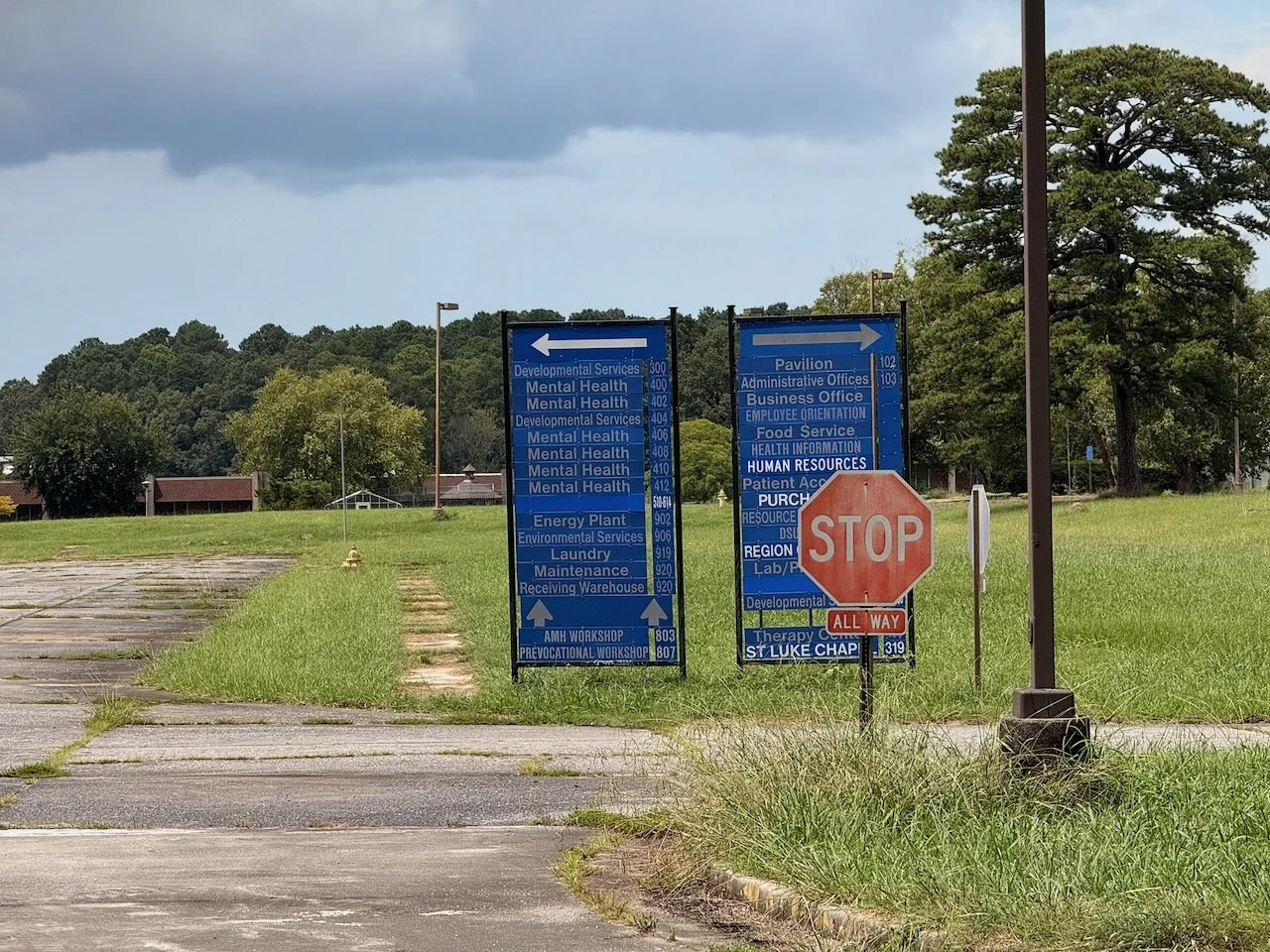
There is another reason the public should care. The cleanup of Battey is being supported by substantial federal investment. EPA awarded the Development Authority $2 million for Brownfields cleanup in October 2024. The Development Authority says that, combined with funding from the U.S. Department of Housing and Urban Development, more than $7 million in federal grants has been secured for asbestos removal and demolition at the site. (US EPA)
That money is doing something valuable. Battey is contaminated. The buildings contain hazardous materials. Leaving the property abandoned indefinitely is not a preservation strategy. Something needs to happen here. But when millions of public dollars are being used to prepare a property for its next life, the public has every right to ask what that next life should be. Especially when the land is this important.
The Question Is Not Whether We Need Data Centers
The question is where they belong. Rome and Floyd County already have industrial areas built around large-scale industry. That is where data centers make sense to me.
They are enormous pieces of infrastructure. They require substantial electrical capacity. They occupy large amounts of land. Their economic model is very different from a neighborhood, an office district, a hospital campus, or even a traditional multi-tenant business park.
A data center does not need to be one block from Berry College. It does not benefit from being beside a residential neighborhood. It does not need to occupy a central site beside one of Rome’s major hospitals. It could function perfectly well in an industrial setting designed to accommodate exactly this type of development.
That is why I cannot understand using Battey for it.
This is not about stopping economic development.
It is about putting development where it belongs.
Imagine Something Better
Spend ten minutes driving through the old hospital campus and it is difficult not to imagine alternatives.
What if the streets stayed?
What if some of the brick houses could be stabilized and reused?
What if the best surviving buildings became offices, housing, restaurants, community spaces, or guest accommodations?
What if new townhouses and apartments were added? Imagine housing for hospital employees, Berry faculty and staff, retirees, young professionals, or families. Imagine sidewalks winding beneath the mature trees. Imagine a large public green or park occupying part of the property. Imagine trails connecting the neighborhood toward Berry. Imagine a mixed-use district with housing, medical offices, professional space, small businesses, and recreation. Imagine a true business park, broken into smaller buildings and streets rather than consumed by a single massive use.
Some of those ideas may not be economically feasible. Some of the old houses may not survive inspection. Environmental remediation may make certain uses impractical. I understand all of that. But those are reasons to study the possibilities—not reasons to stop imagining them. This may be one of the last opportunities Rome has to create an entirely new neighborhood on more than 100 contiguous acres inside the existing city.
We should not squander that opportunity simply because one buyer is ready.
Preservation Is Sometimes About What Comes Next
One of the misconceptions about historic preservation is that preservationists simply want everything frozen in time. That is not what I believe. Some buildings reach the end of their useful lives. Sometimes demolition is unavoidable. Sometimes adaptive reuse does not make financial sense.
Battey may include examples of all three.
But preservation is also about understanding the character of a place before making irreversible decisions about its future. The old houses at Battey tell us something. They tell us this was once a place built at a human scale. Even if every existing structure eventually disappears, a thoughtful redevelopment could still preserve the idea that people could live and work on this land.
A data-center campus would erase it completely.
The Buildings We Lose Twice
There are two ways a city loses a place.
The first is physical: The roof collapses; The windows break; The bulldozers arrive; The building disappears.
The second loss happens when we forget what the site could have become.
Rome already has plenty of examples of the first kind: Old Shorter; Nevin Opera House; East Rome High; West Rome High; and so many more.
We look at photographs of them today and wonder what our city might feel like if different decisions had been made. Battey gives us something those places no longer can.
A chance to make the decision before the photograph becomes history.
Jeb’s Take
I support economic development.
I support new investment.
And I understand that data centers are necessary infrastructure for the world we live in.
I am strongly opposed to putting one here.
Battey is too central.
Too connected to neighborhoods.
Too close to Berry.
Too close to a major hospital.
Too large.
And too full of possibility.
A data center can go somewhere else.
This land cannot.
The Development Authority itself once envisioned Battey as a Class A business park capable of generating thousands of jobs and incorporating community-serving uses. We should be asking why one of Rome’s largest pieces of centrally located land now deserves a less imaginative future.
Maybe the old brick houses cannot be saved. Maybe some can. I would love for someone qualified to tell us. But the larger question matters regardless of what survives. Rome should not measure development only by the size of an investment or the tax revenue projected on a spreadsheet.
Good cities also ask whether a project makes sense in that particular place.
Architecture matters.
Neighborhoods matter.
Context matters.
And once 100 acres are gone, they are gone. The Development Authority chairman described data centers as a clean, quiet industry that can provide significant tax revenue. (Rome Floyd Development Authority)
That may be true.
It still does not mean this is the right location. Before another piece of Rome becomes something we can only see in photographs, I think we owe this land—and ourselves—a better question than:
What can we build here?
We should be asking: What belongs here?