RHJ: Field Notes from Laguna Beach and a Very Berry Connection
FIELD NOTES
Laguna Beach, California — Visited October 2020 but written august 9, 2026 (after the hangover house hit the market)
There are houses you visit because they are beautiful, houses you visit because they are architecturally important, and then there are houses you visit because the story is simply too strange to ignore.
Richard Halliburton’s Hangover House belongs firmly in the third category.
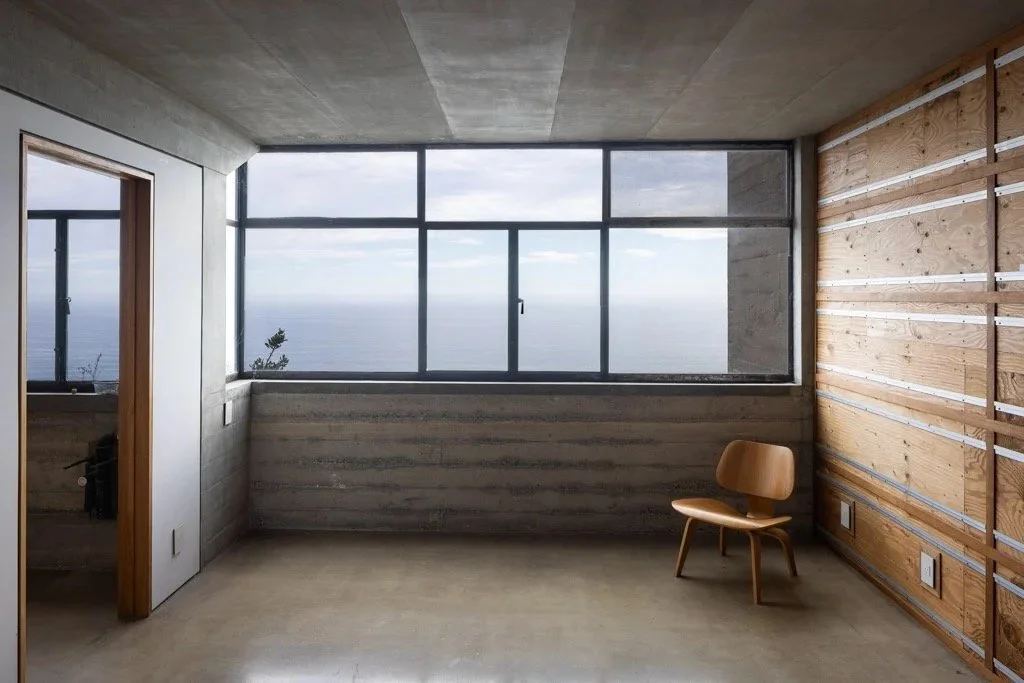
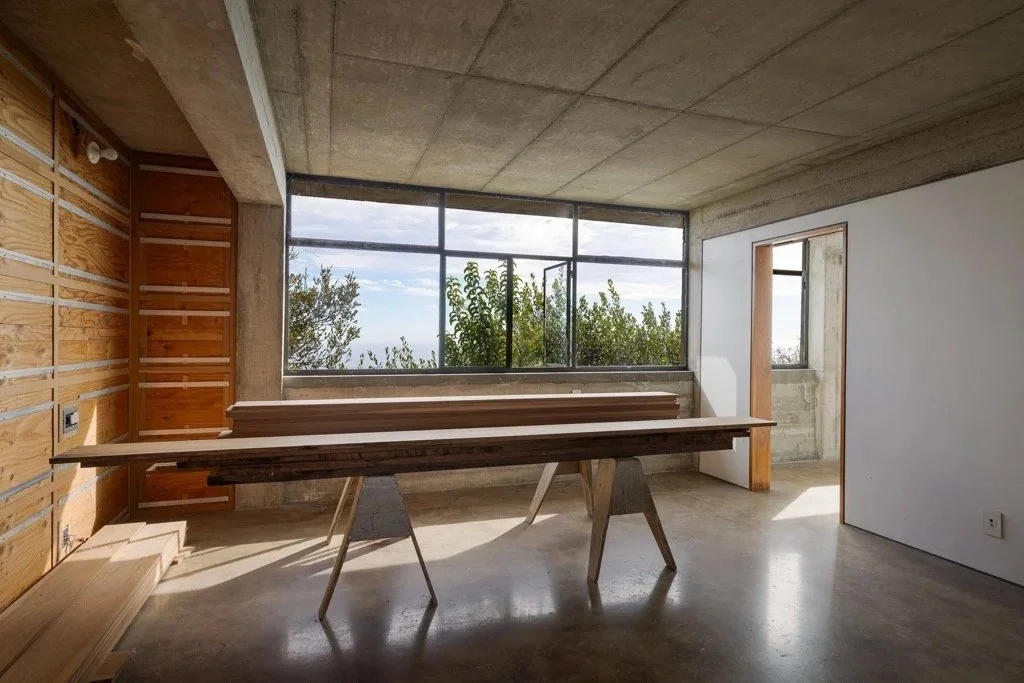
In October 2020, I made my way up into the hills above Laguna Beach to see it. I did not go inside, but I did trespass rather enthusiastically around the exterior. I am not necessarily recommending that part, but I am glad I saw it because photographs do not quite explain this house.
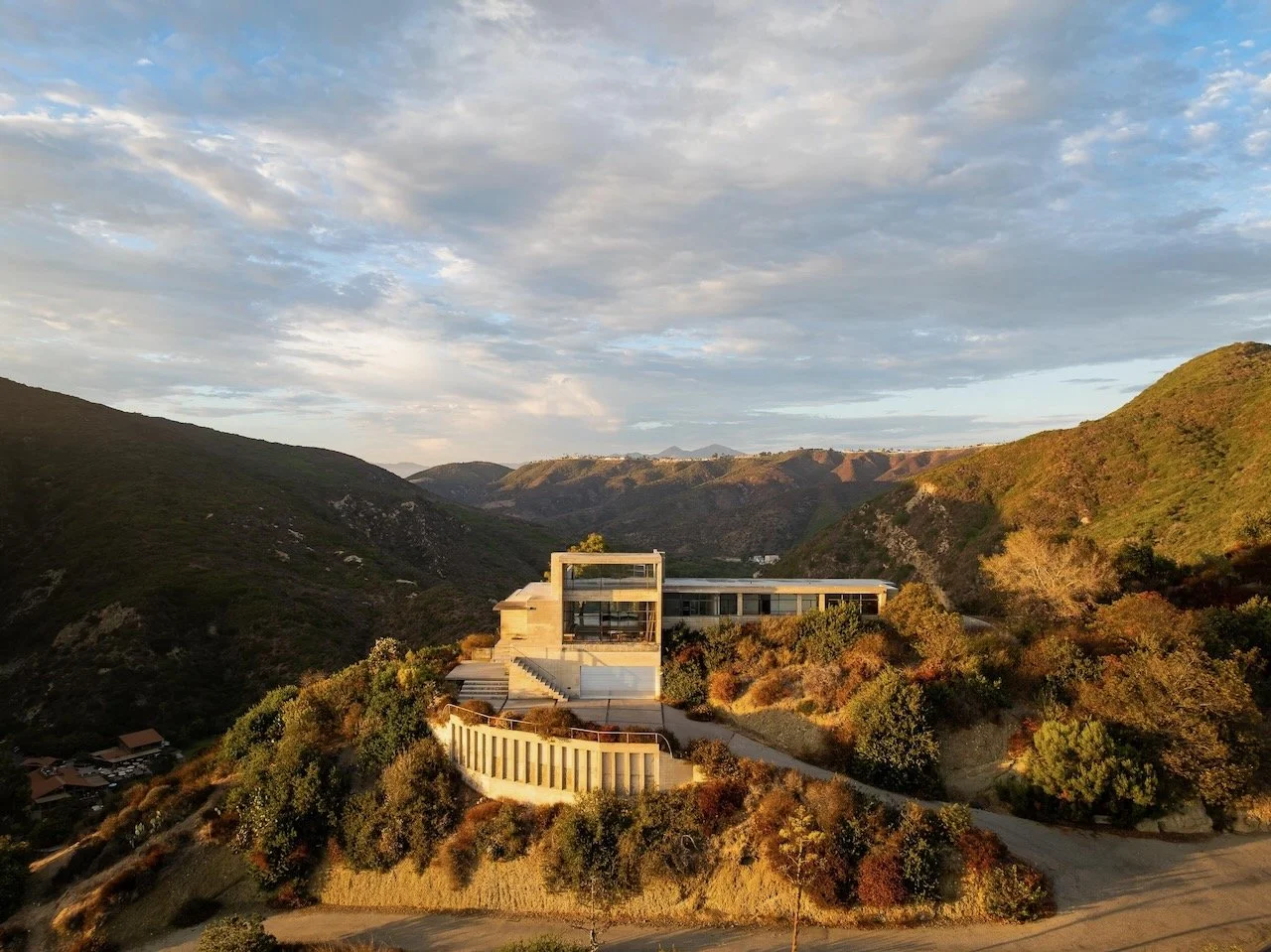
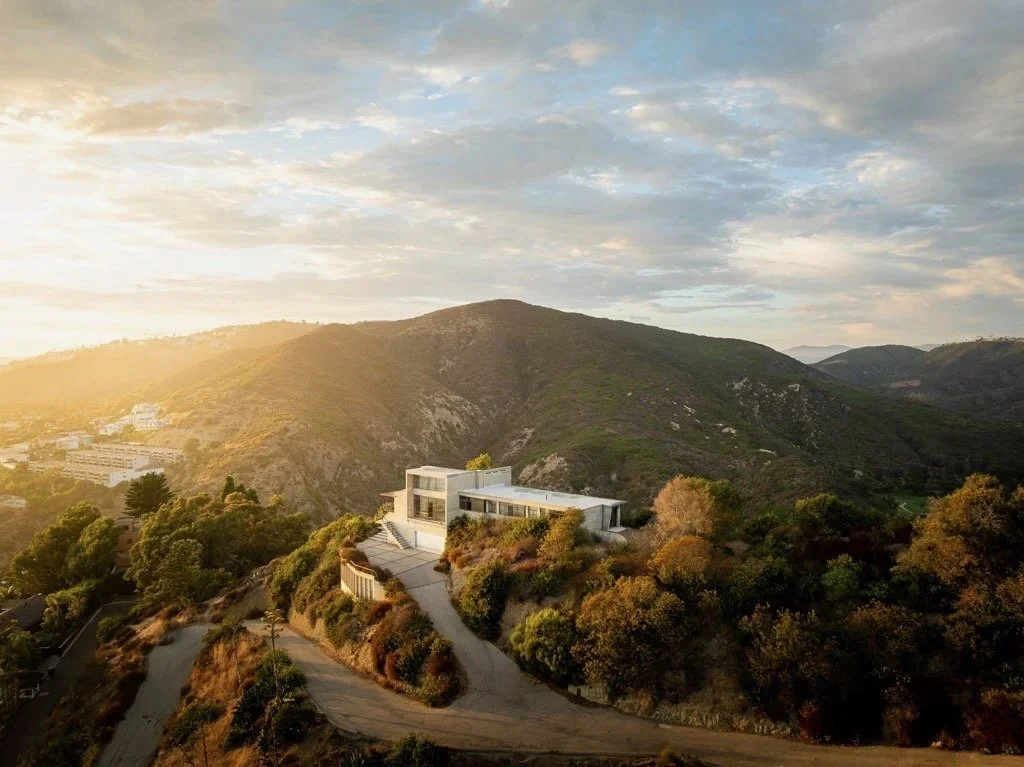
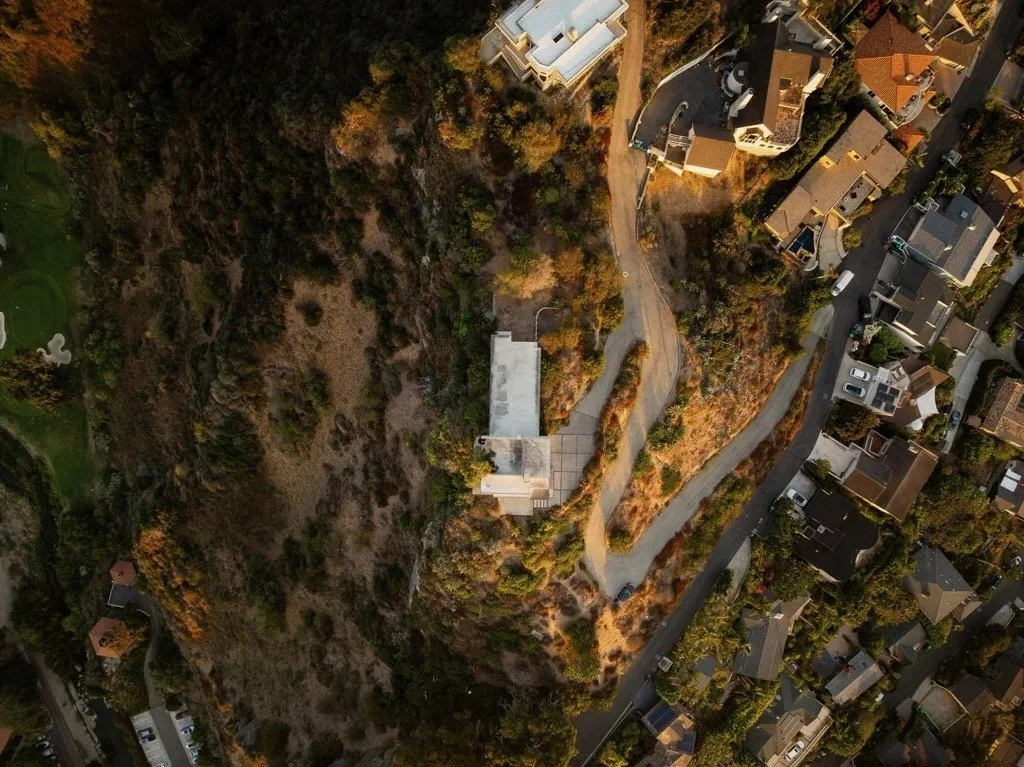
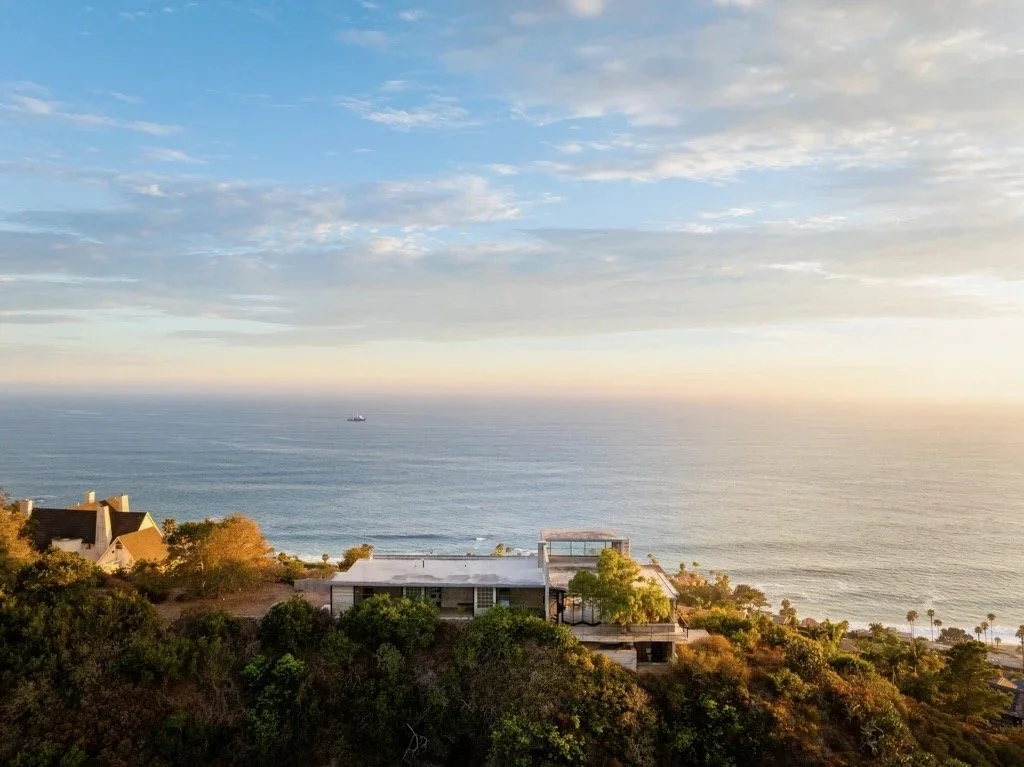
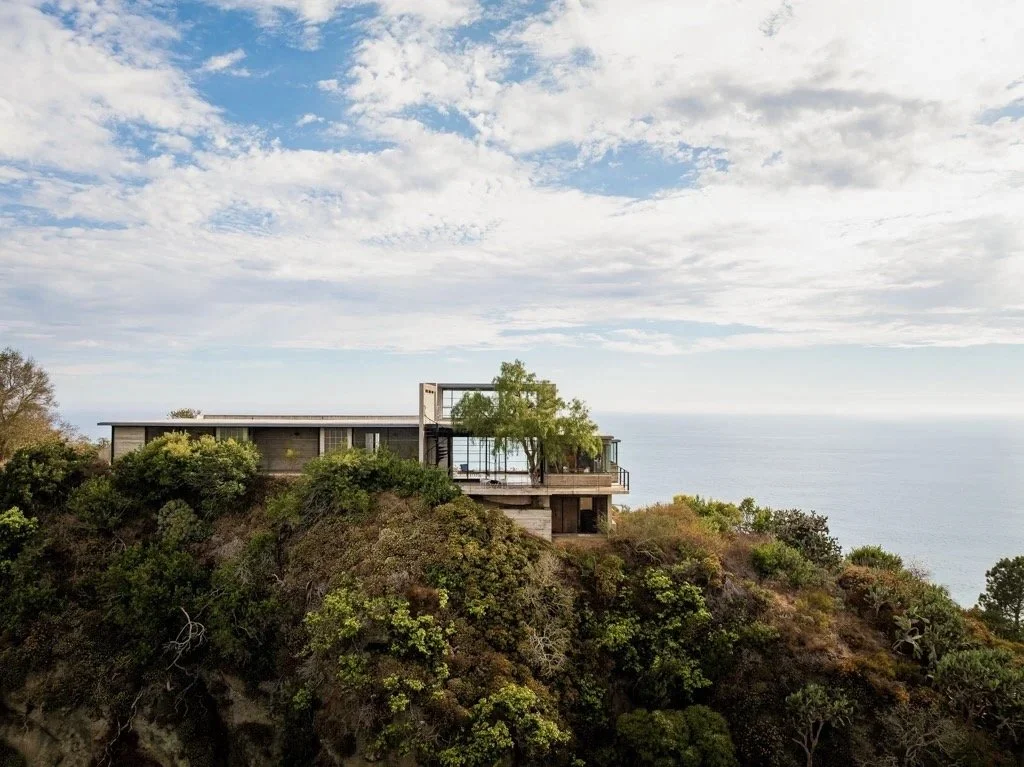
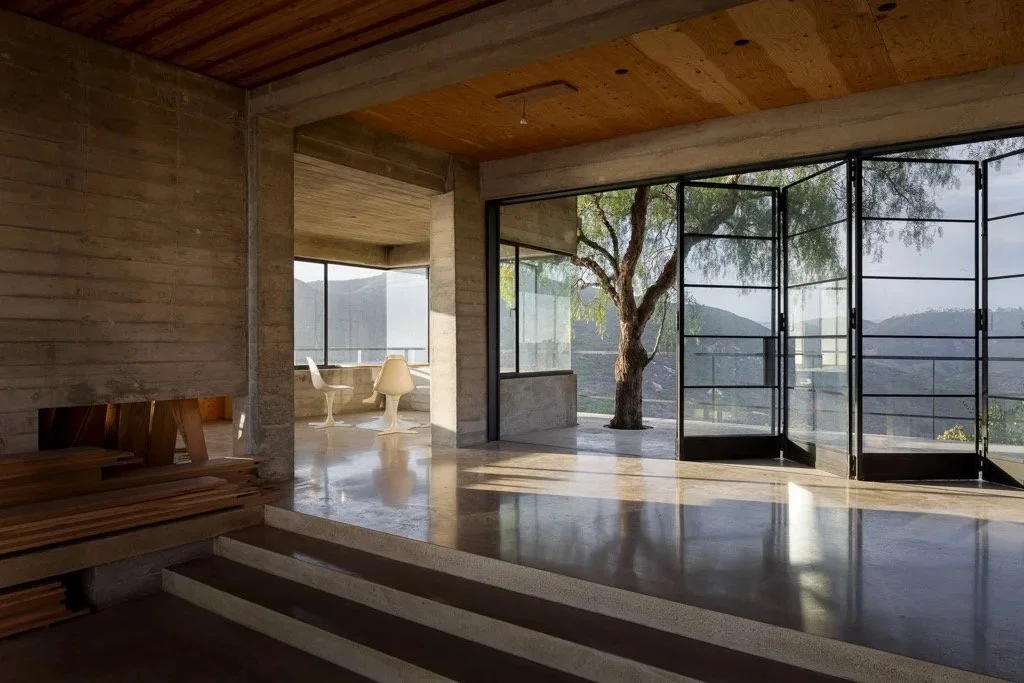
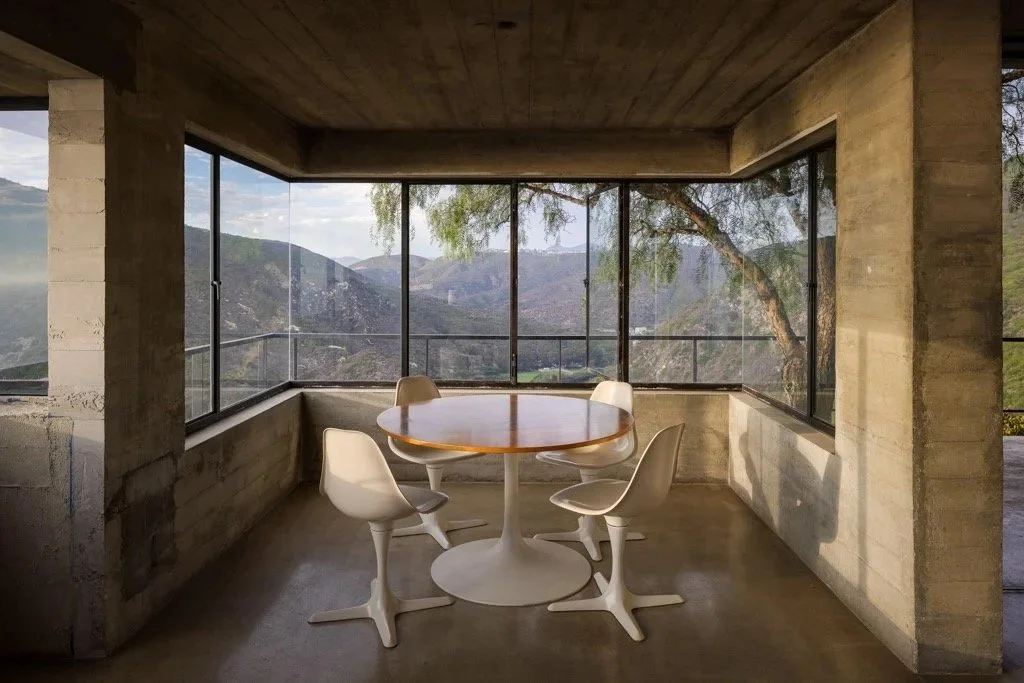
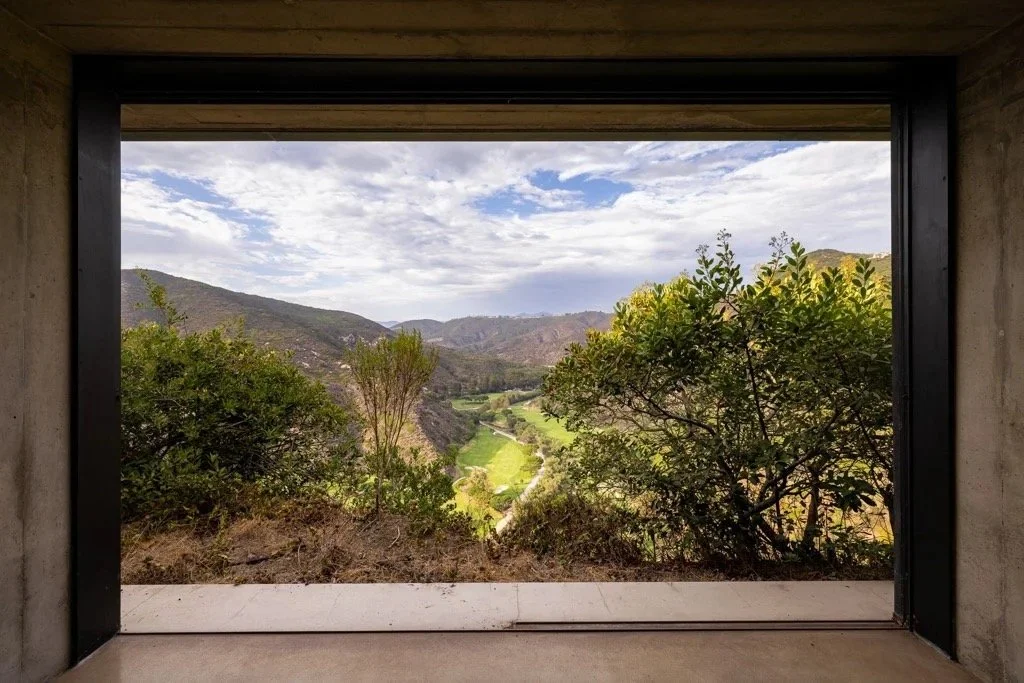
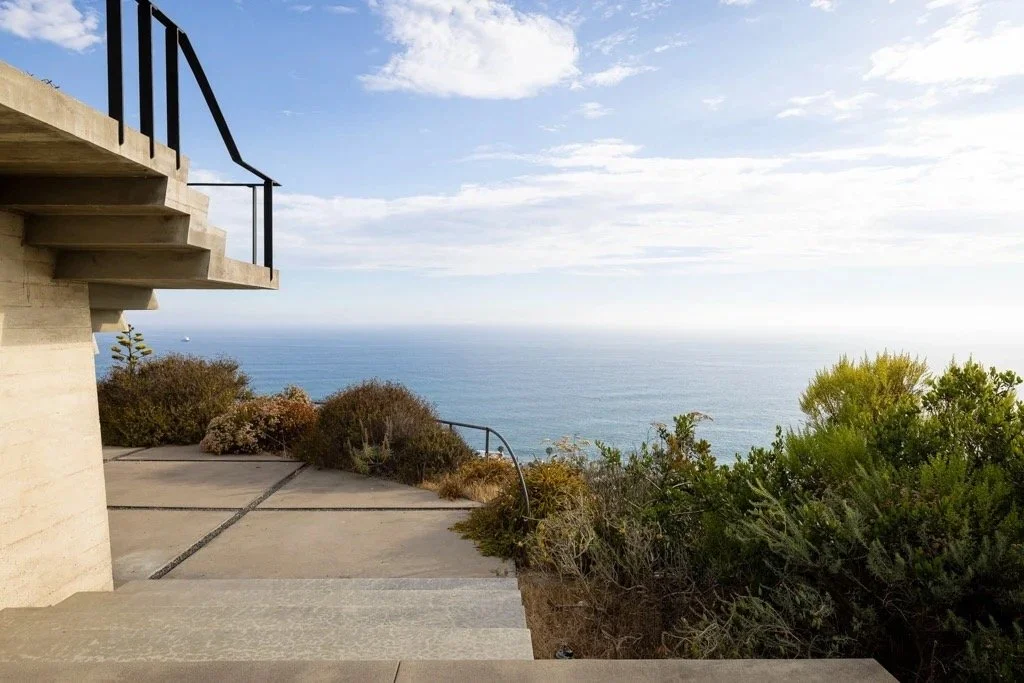
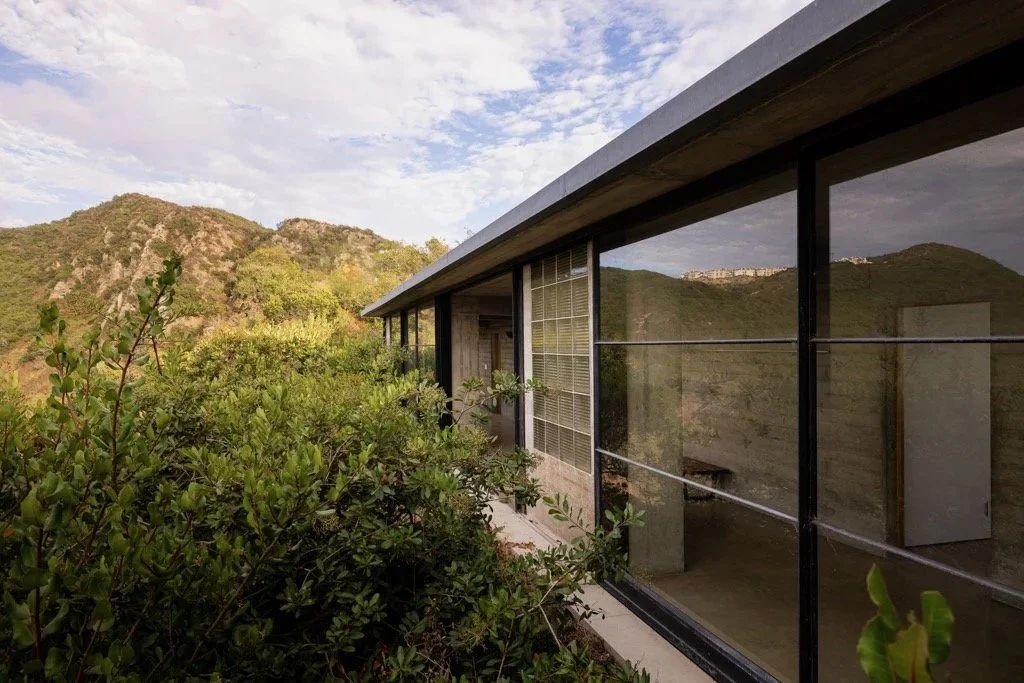
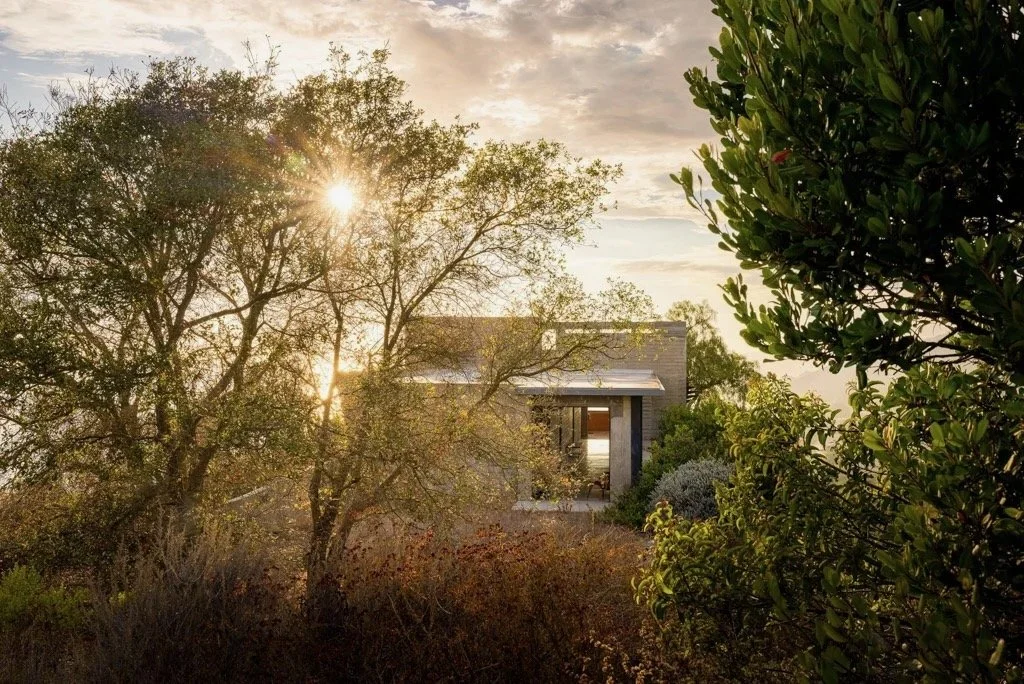
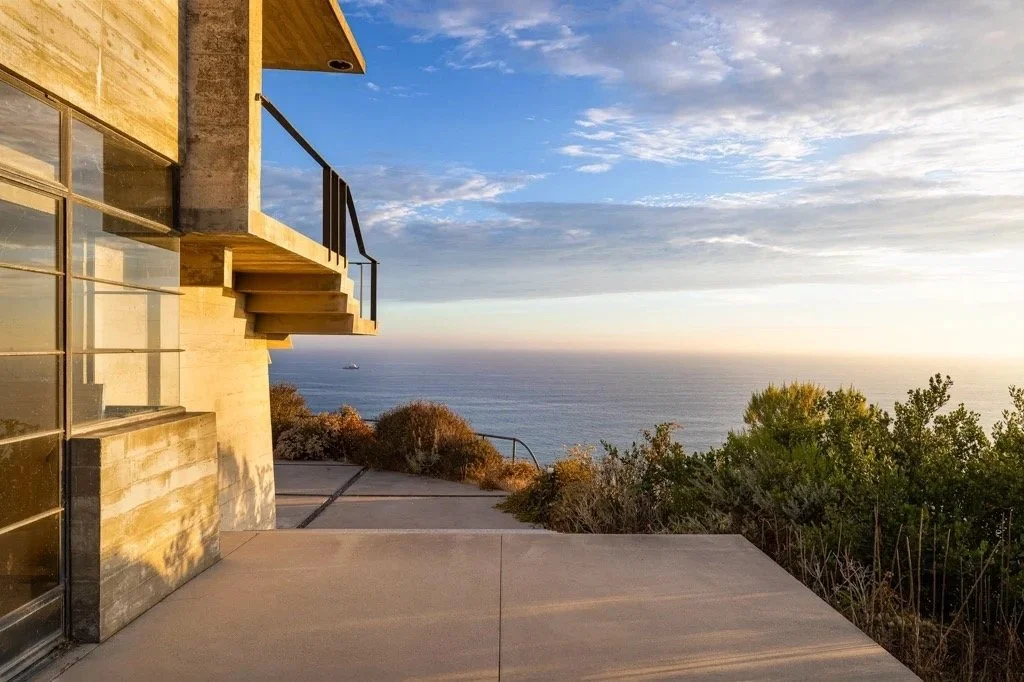
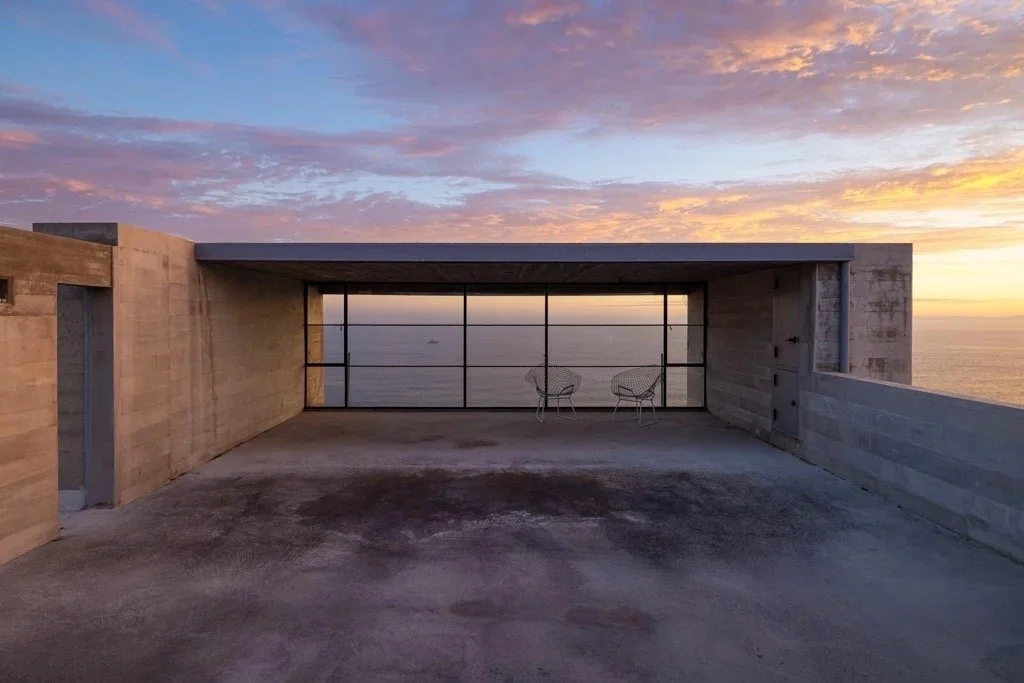
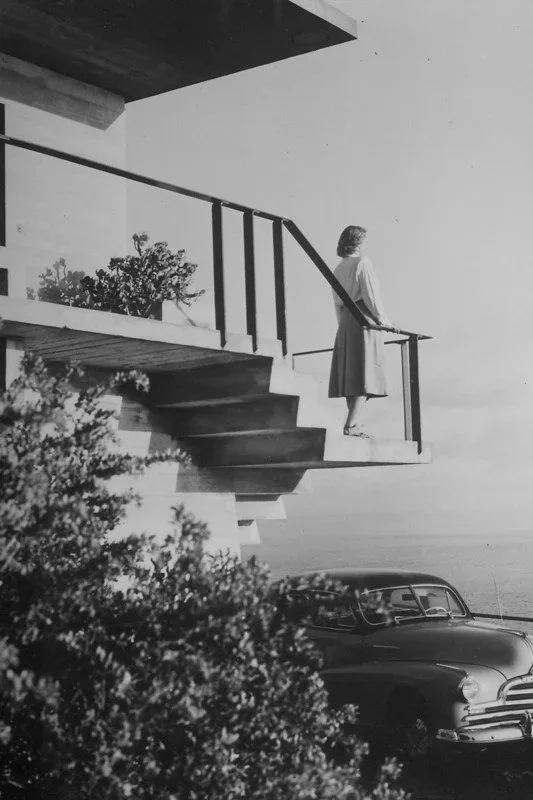
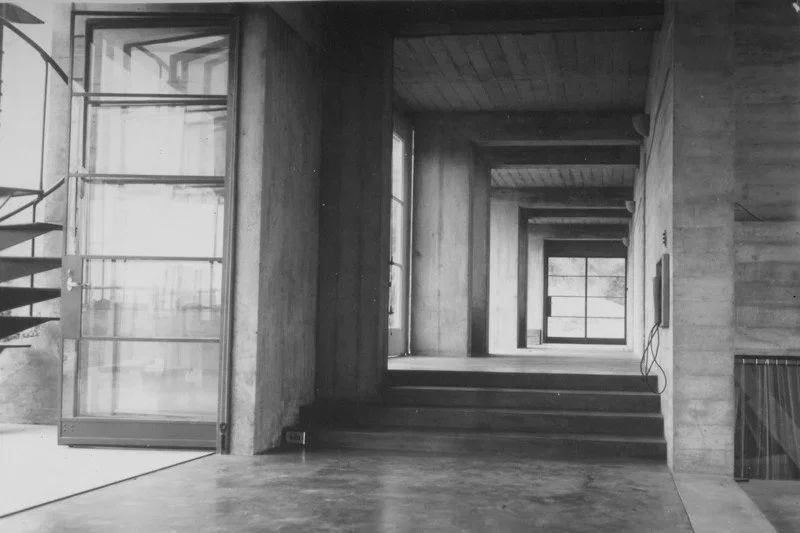
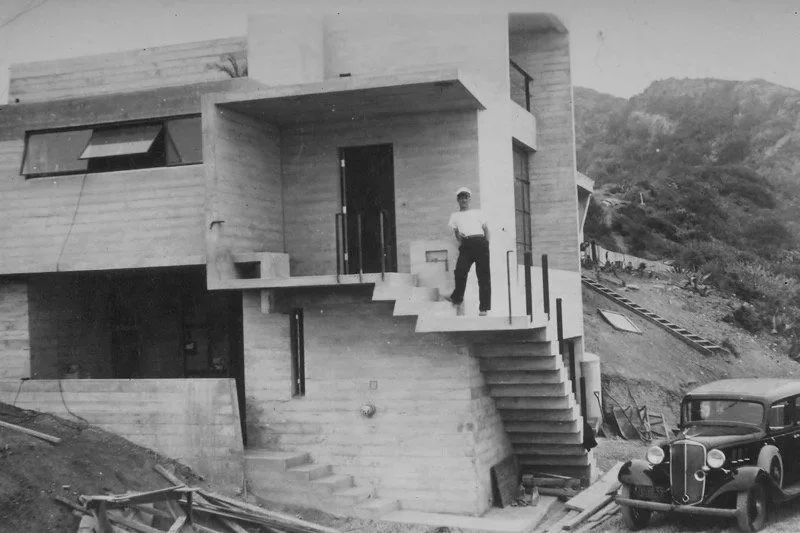
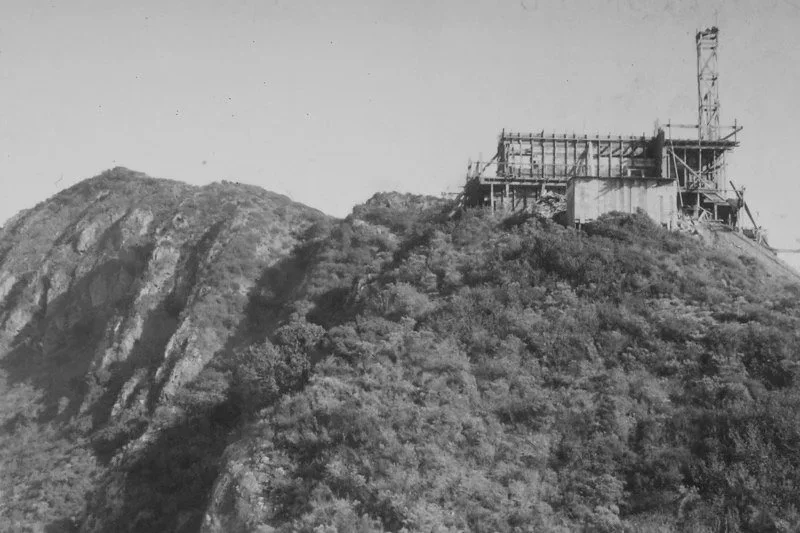
They show the concrete, the glass, the flat roof, and the severe modern geometry. What they do not fully communicate is where it sits. The house feels less like it was built on the mountain than attached to the edge of it.
Once you understand that, the name suddenly makes perfect sense.
A House for an Adventurer
Richard Halliburton was one of the most famous adventure writers in America during the 1920s and 1930s. His life reads almost like something invented for a movie. He swam the Panama Canal, retraced the journeys of historic explorers, flew around the world in a small airplane called the Flying Carpet, and crossed mountains, rivers, deserts, and oceans before turning those experiences into bestselling books and lectures. If you need a biography of a human, check this guy out!
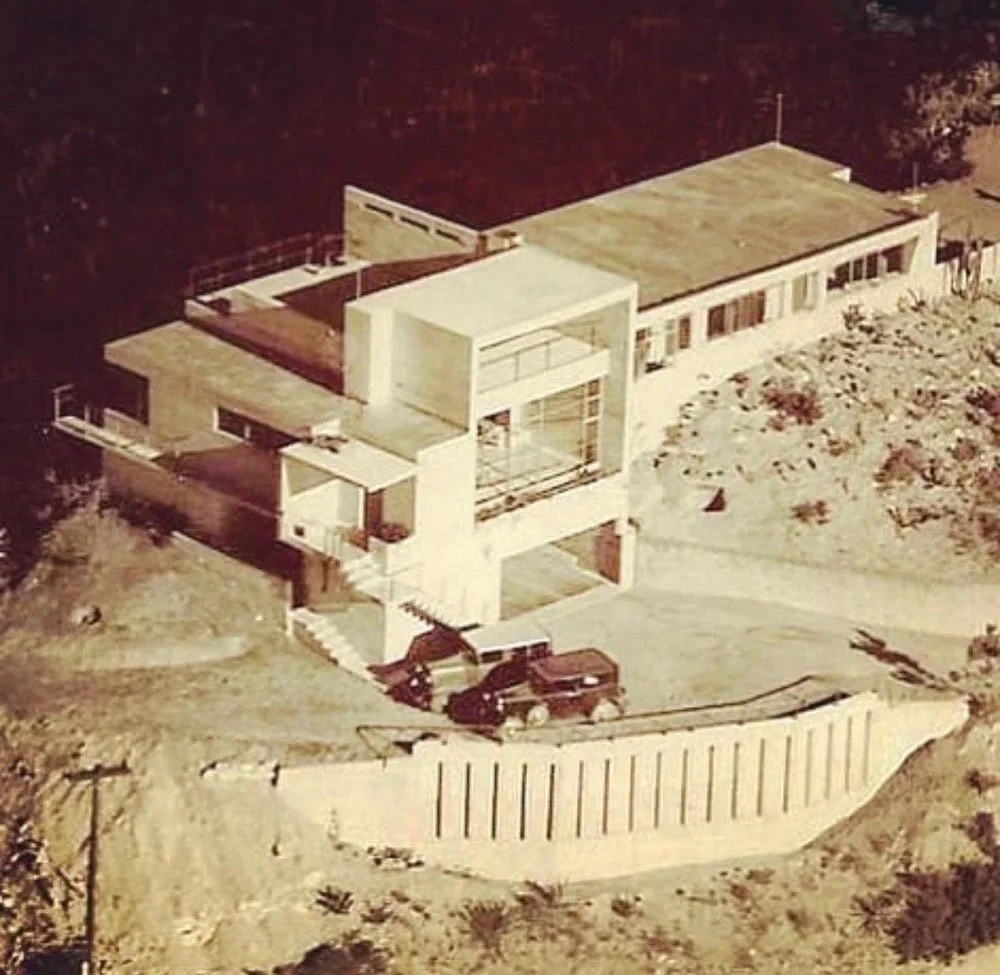
By the 1930s, Halliburton wanted a house that reflected the life he had created. He found a dramatic site high above Laguna Beach and turned to a young architect and friend, William Alexander, to design it (it was Alexanders first solo commission).
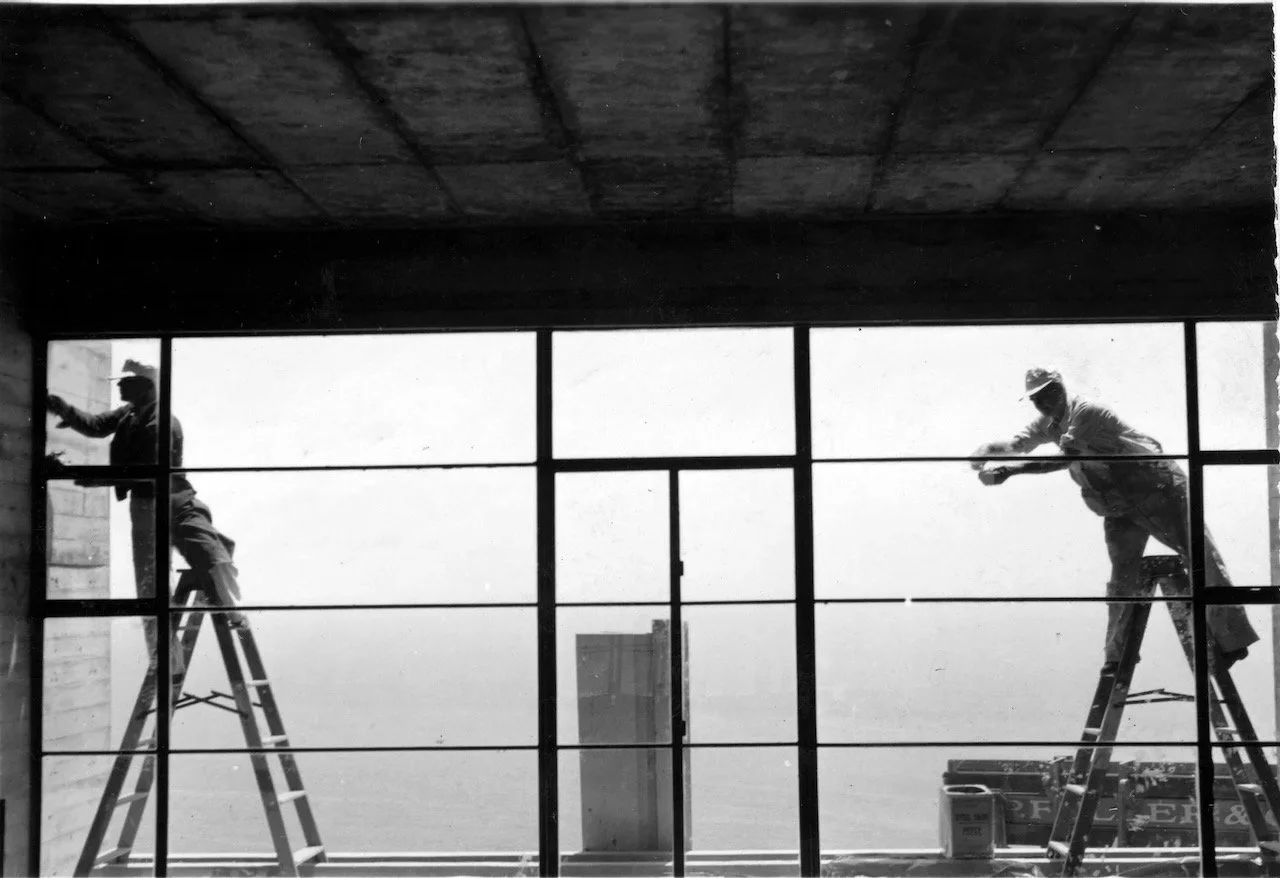
The resulting house, completed in 1938, became one of Southern California’s most unusual early modern residences. Alexander drew from the European modernist ideas that were transforming architecture. A conventional house would have made very little sense for Halliburton.
So Alexander did not design one.
Architecture on the Edge
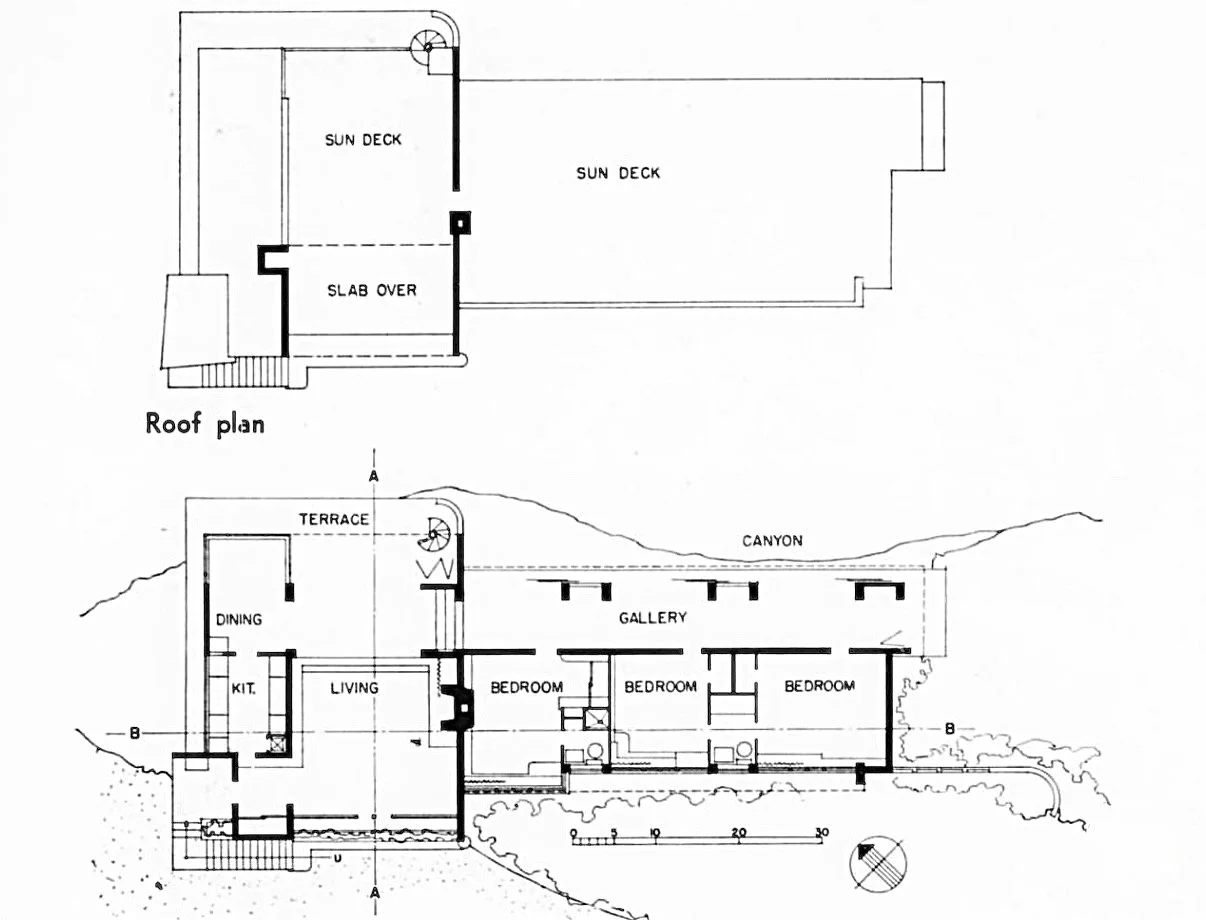
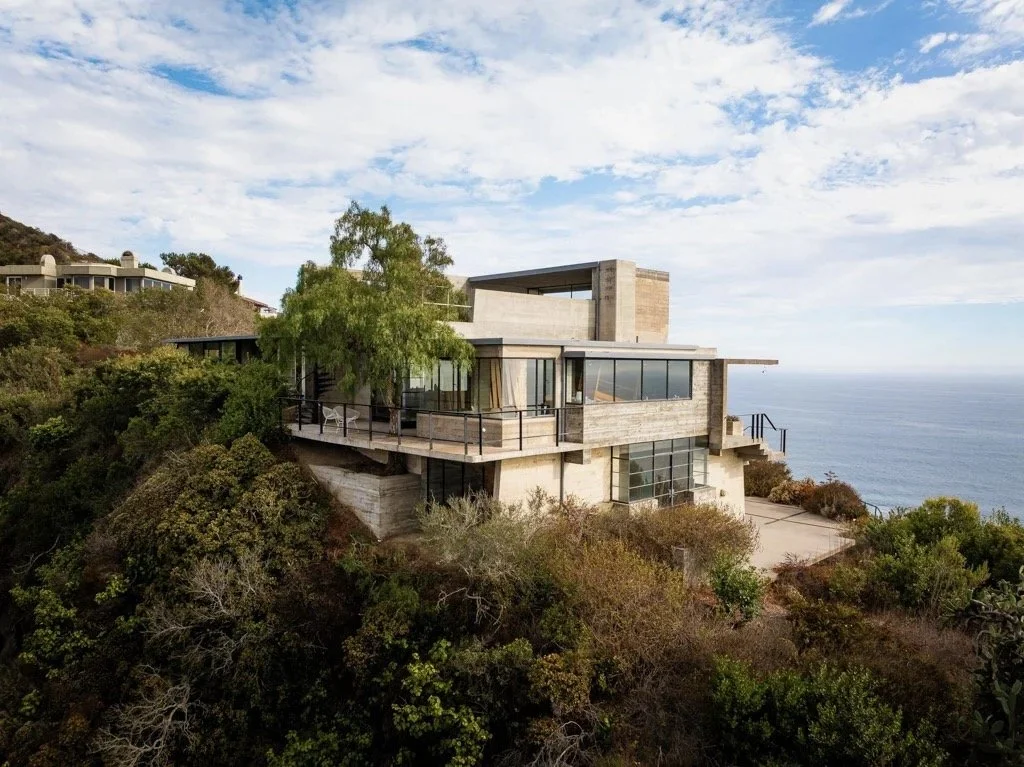
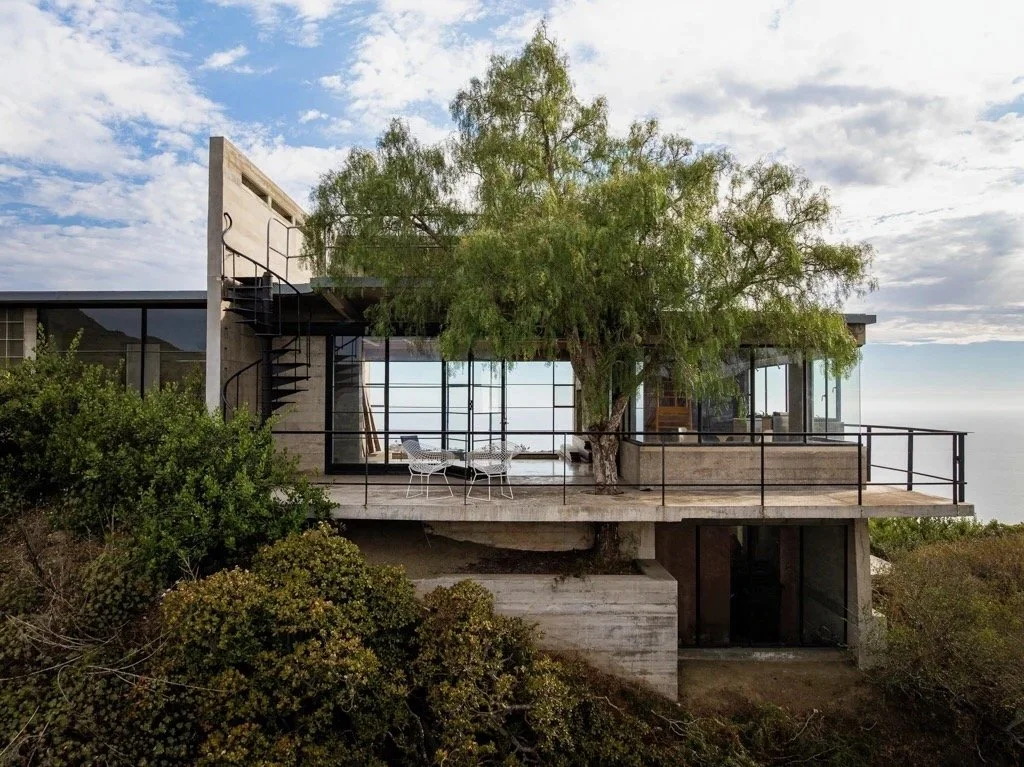
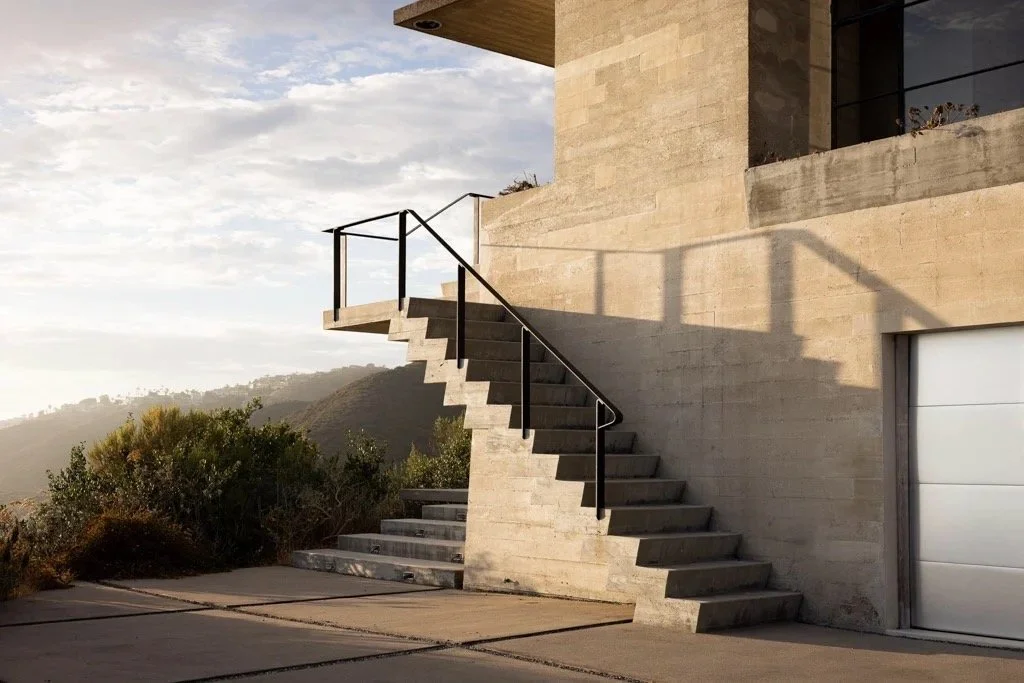
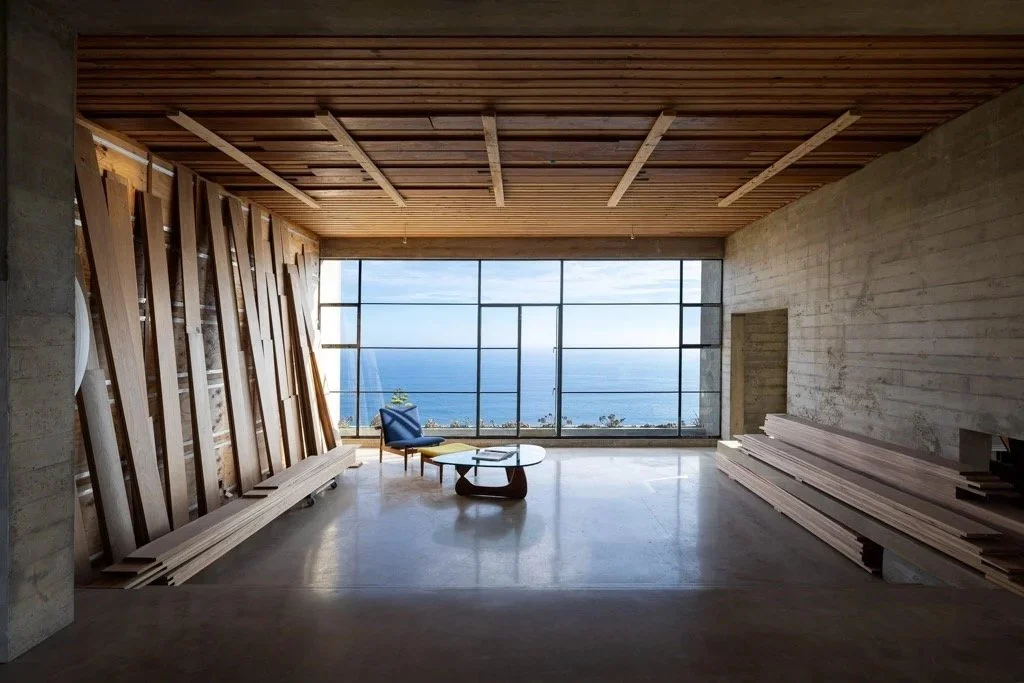
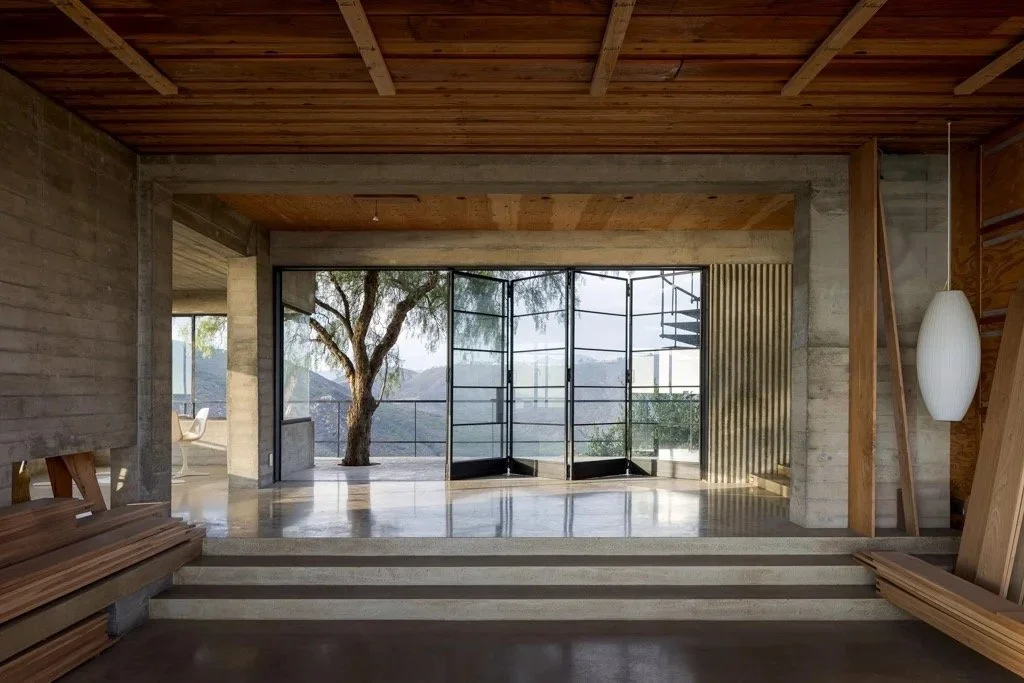
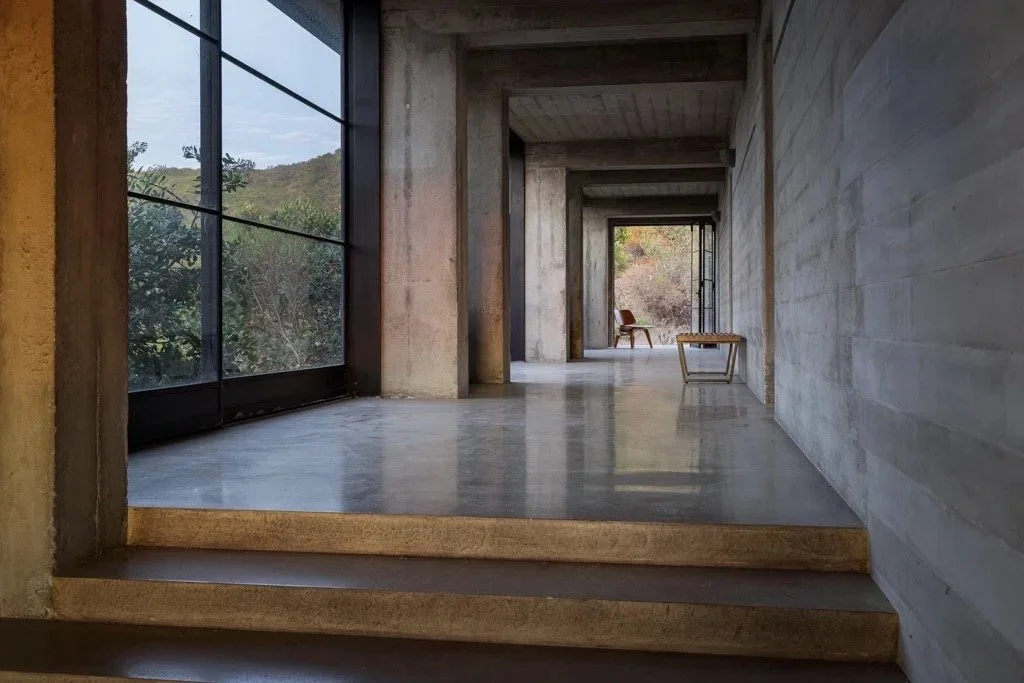
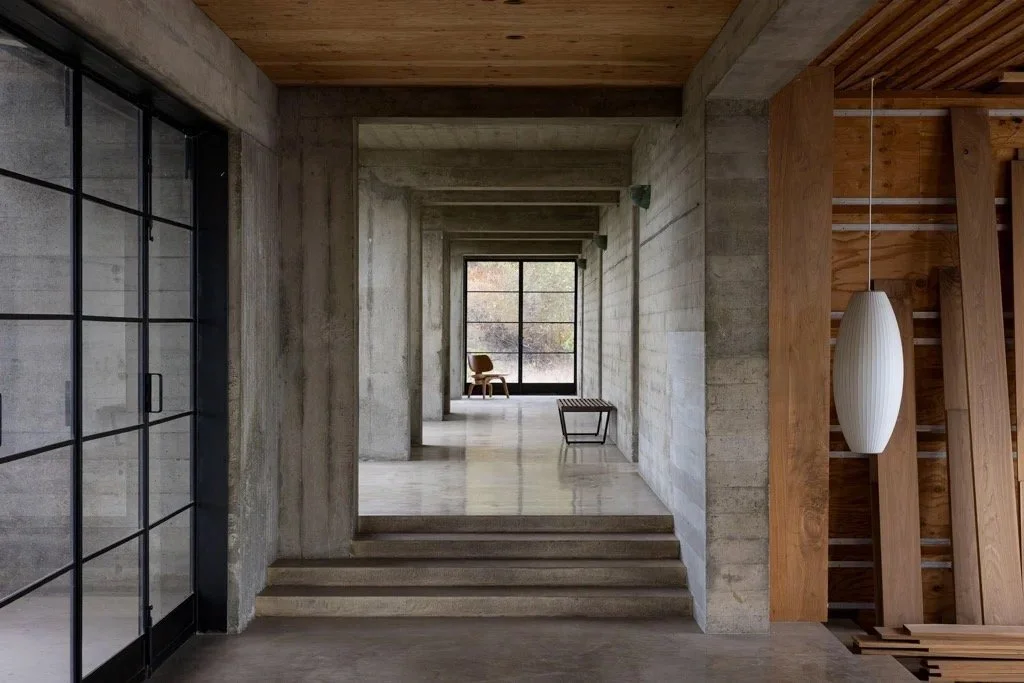
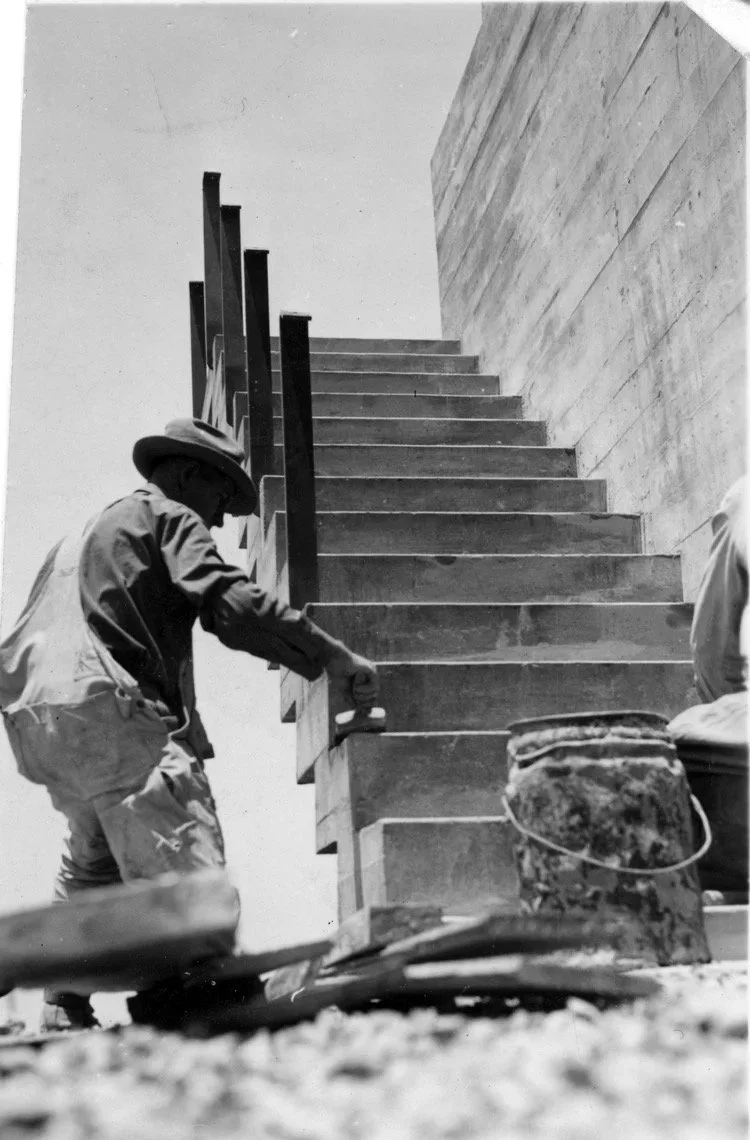
Hangover House is composed largely of concrete, steel, and glass. Its forms are simple: rectangular volumes, flat roofs, large openings, and very little applied ornament. The architecture belongs to the emerging International Style, drawing from many of the same ideas being explored in Europe by architects such as Le Corbusier and Mies van der Rohe.
But calling it simply “International Style” does not quite capture it. The house is too theatrical, too personal, and too tied to its site. Its far more Brutalist in nature.
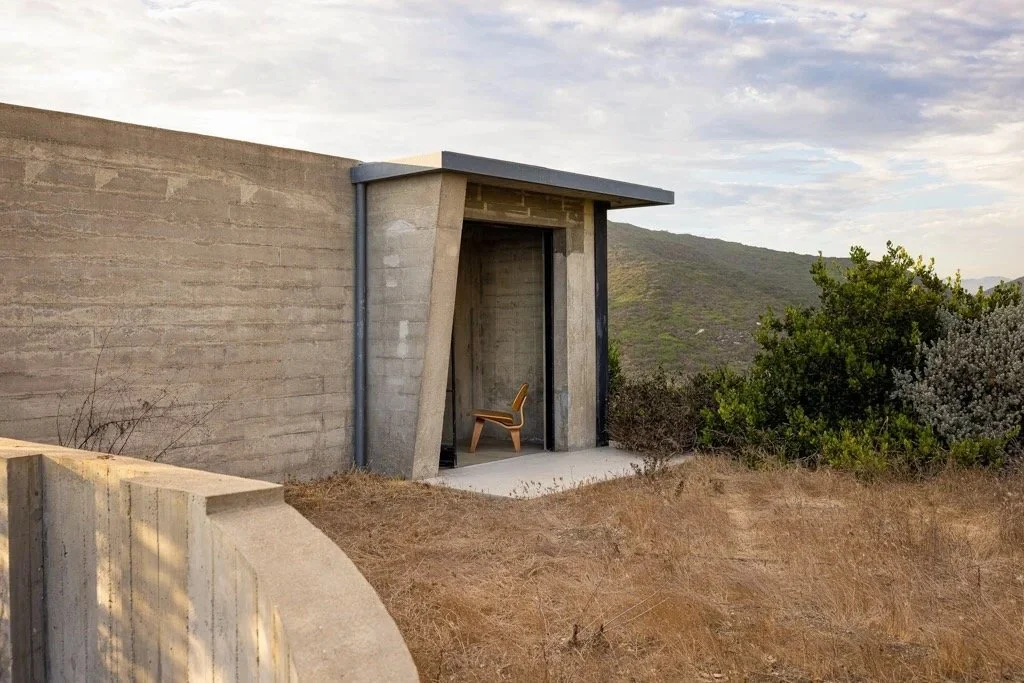
From certain angles, it appears almost bunker-like, with heavy concrete walls planted against the landscape. From others, it seems to hover above the canyon. That contradiction is part of what makes it fascinating: heavy architecture in a weightless location.
The house is physically substantial, but also feels precarious. Then there are the views—the Pacific Ocean in one direction, Aliso Canyon in another. The landscape is not something the house politely frames.
It overwhelms it.
The Name
“Hangover House” may be one of the best names ever given to a modern building.
The nickname apparently worked on more than one level. The house quite literally hangs over the landscape, perched high above the canyon, and Halliburton and his circle were not exactly known for monastic restraint.
The pun stuck. Nearly ninety years later, most people who know the building still call it Hangover House rather than the Halliburton House.
Architecture should probably not depend on a clever nickname, but when the nickname is this good, I am willing to make an exception.
A Very Particular Kind of Modernism
One of the reasons I liked the house more in person than I expected is that it is not polished modernism. It does not have the almost impossibly refined elegance of a Neutra house, nor does it disappear into the landscape like some later California modern homes.
It has presence.
The concrete feels rough. The forms feel severe. There is something almost primitive about it. From the outside, parts of the house can feel closer to what we would later call Brutalism than to the sleek white-box modernism most people associate with the 1930s.
Of course, Brutalism had not yet emerged as a movement. That is what makes the building feel strangely ahead of its time.
The house looks like an experiment because it was one.
Three Bedrooms for Three Men
The personal history of the house also complicates the architecture.
The house was designed with three bedrooms—for Halliburton, his architect William Alexander, and Paul Mooney who was Halliburton’s editor and collaborator. Accounts of the house have led architectural historians to examine it not only as modernist design, but also in the context of queer domestic space during a period when those relationships generally remained private.
That gives the plan another layer. This was not a conventional suburban house organized around the expected model of husband, wife, children, dining room, and lawn. Its occupants were creating a different kind of household, and the architecture reflected that independence.
Halliburton had spent his life refusing conventional boundaries.
Why would his house be conventional?
And Then He Left
Here is the part of the story that makes the house feel almost haunting: Halliburton barely got to enjoy it.
Soon after the house was completed, he left on what would become his final adventure. His plan was extraordinary even by Halliburton standards. He commissioned a 75-foot Chinese junk named the Sea Dragon and intended to sail it from Hong Kong across the Pacific to San Francisco for the Golden Gate International Exposition.
The first attempt failed. The boat leaked, the weather turned bad, and the crew returned to Hong Kong.
Halliburton tried again.
On March 3, 1939, the Sea Dragon sailed back into the Pacific with a crew of fifteen. Then it disappeared. A major storm crossed its route, radio contact was lost, and no confirmed wreckage was ever recovered.
Richard Halliburton was 39 years old.
His new house remained behind on its California cliff, auctioned by his family a year later selling for a mere $9000. The home remained in the care of the second owners for 70 years and fell into relative obscurity for such an important and groundbreaking piece of modern architecture. Time (and salty Pacific air) took its toll on the building. Concrete is porous and the steel rebar inevitably rusted from within requiring substantial restoration.
The Young Musician on Board
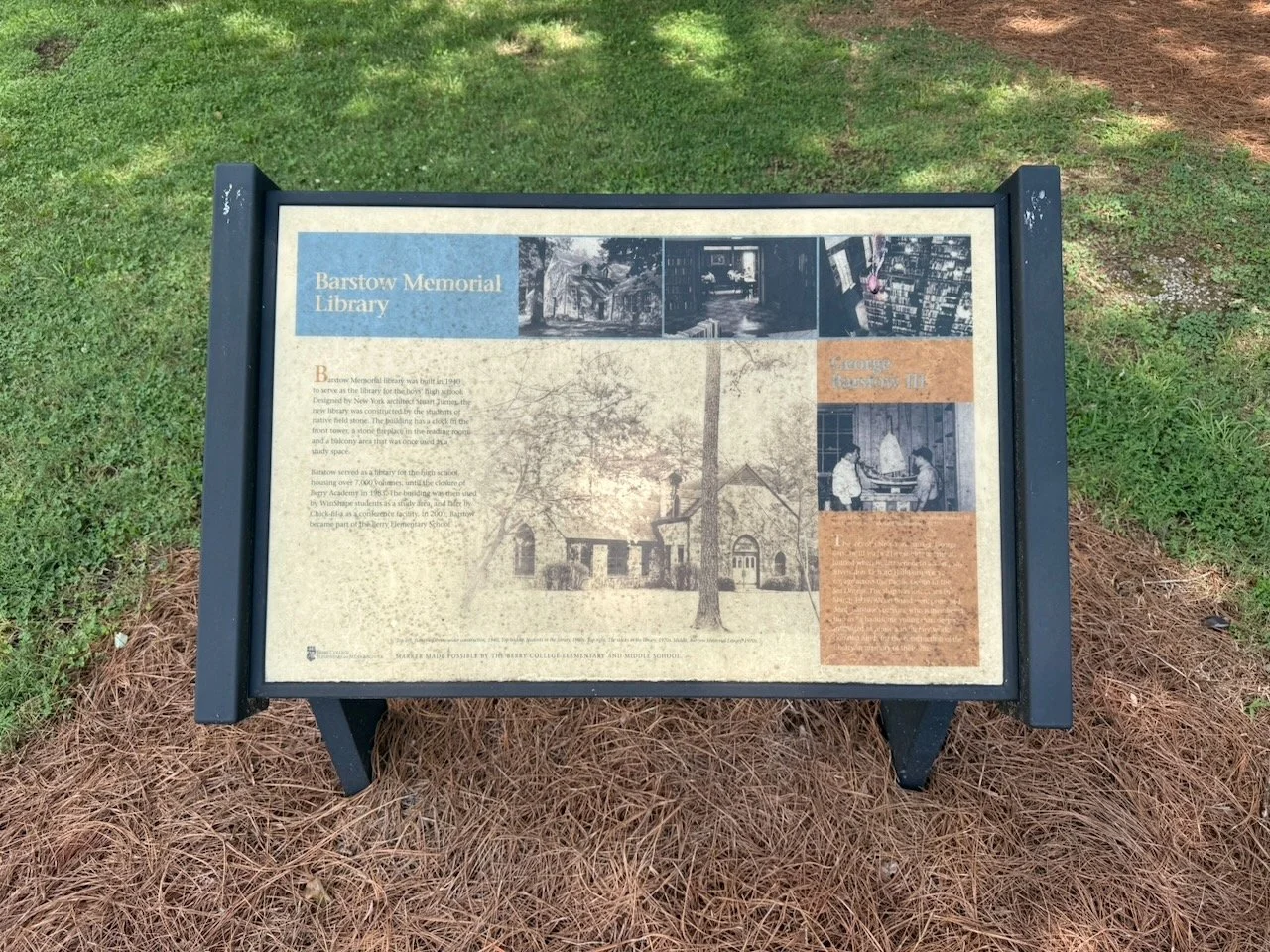
One of the men aboard the Sea Dragon was George Barstow III.
He was 21 and, unlike Halliburton, was not a professional adventurer. Barstow was a student at Juilliard. A musician. Somehow, like so many people who crossed Halliburton’s path, he became swept into one of Halliburton’s enormous adventures and joined the crew attempting to cross the Pacific.
He disappeared with Halliburton.
And this is where a house in Laguna Beach unexpectedly leads back to Rome, Georgia.
The Berry Connection
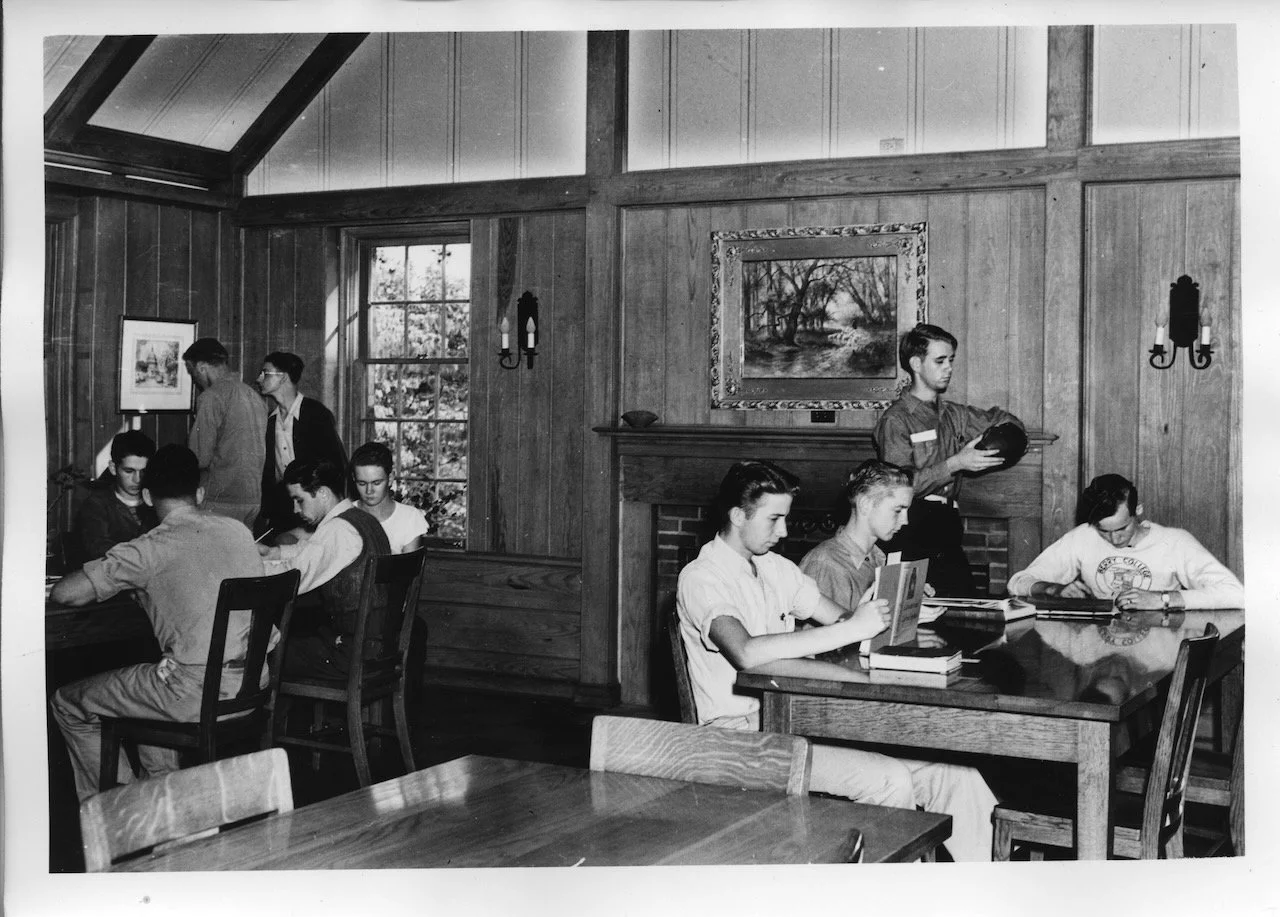
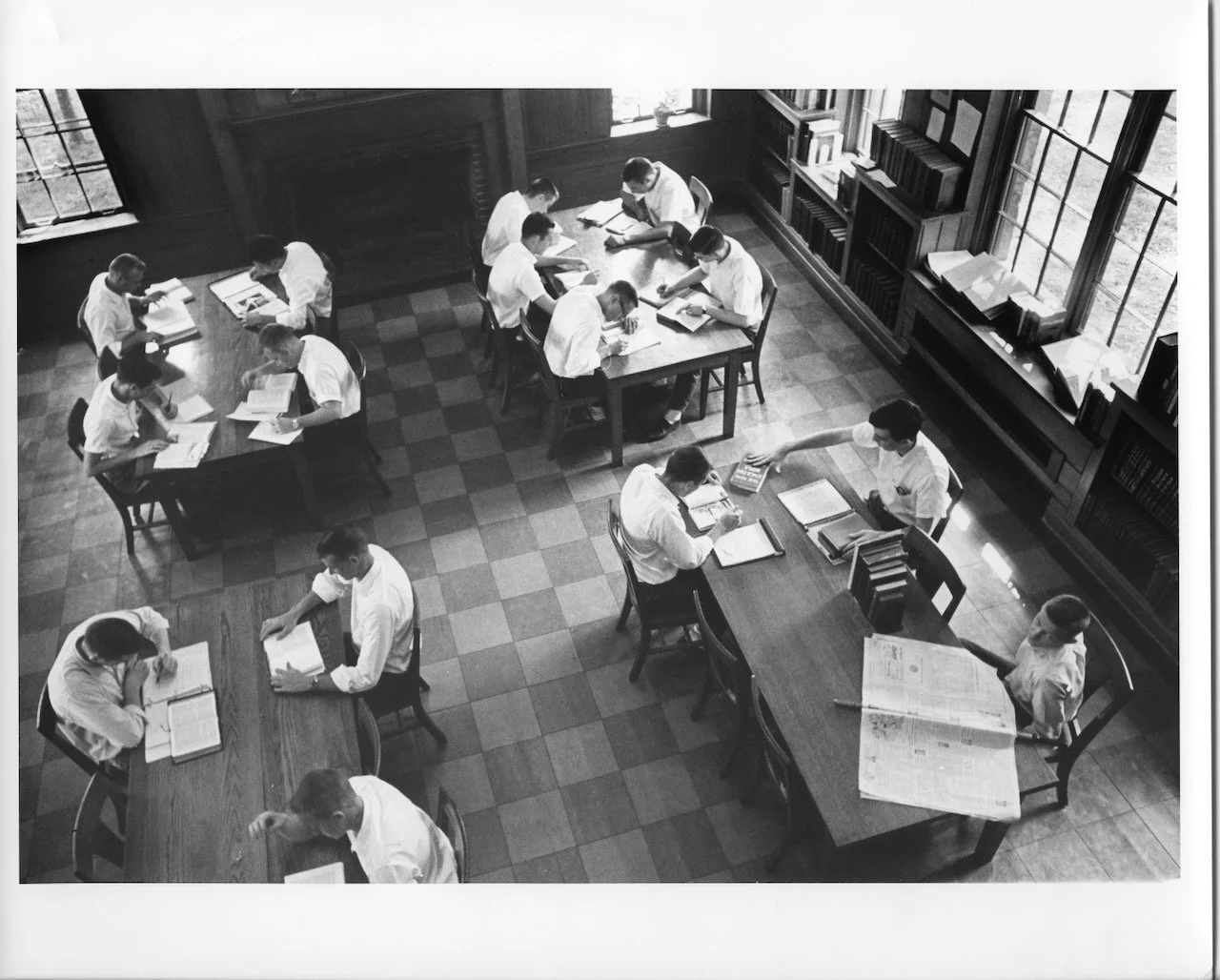
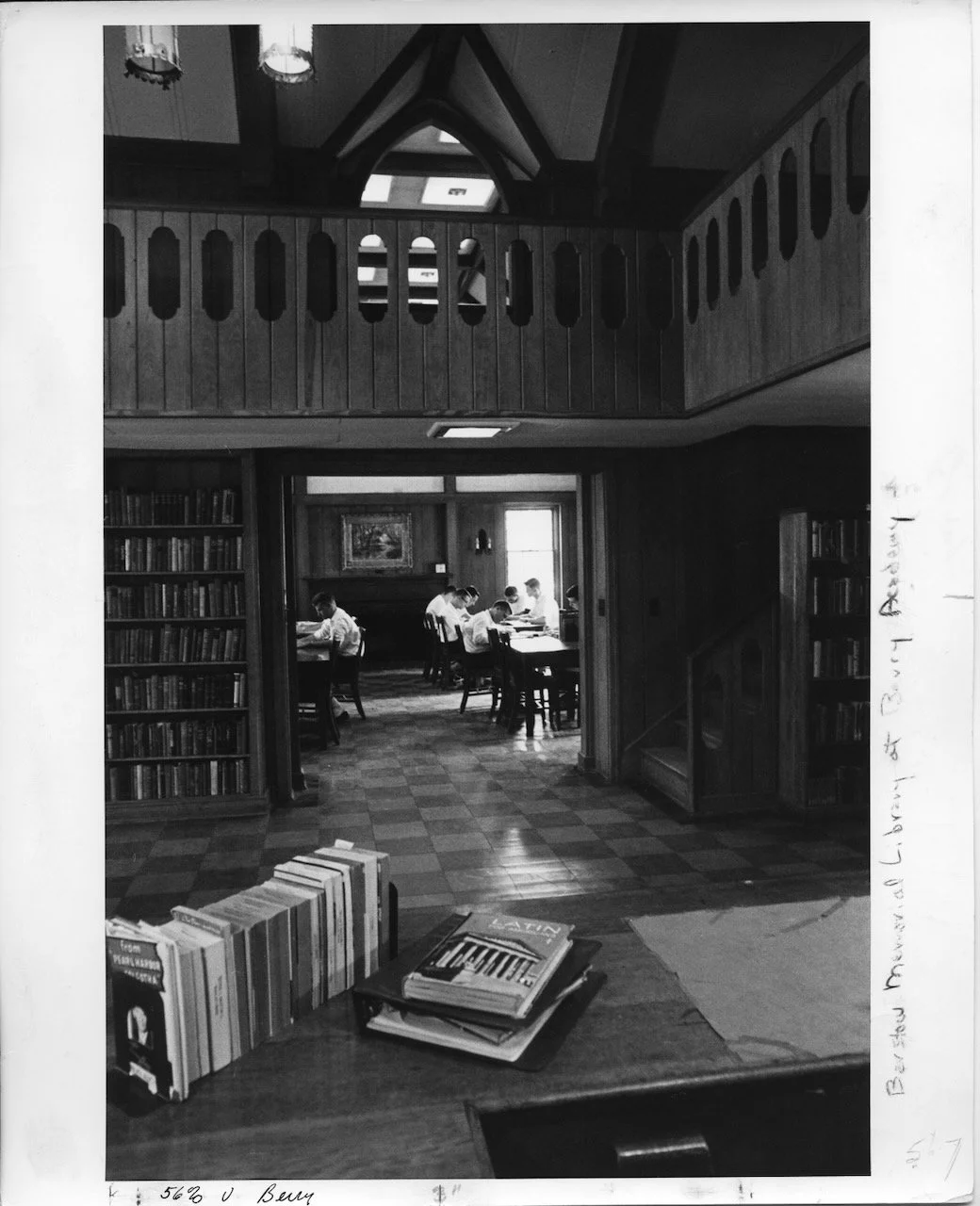
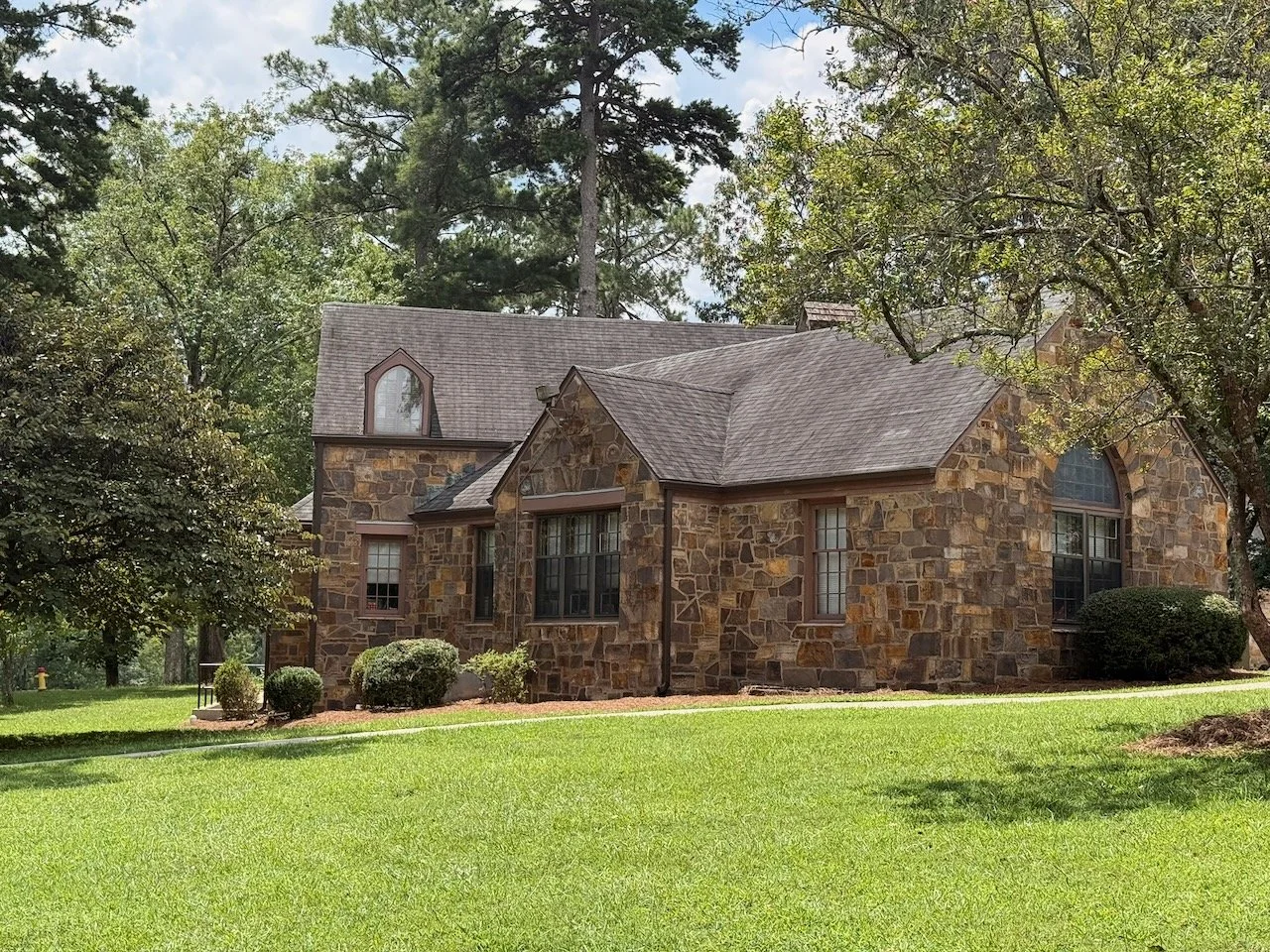
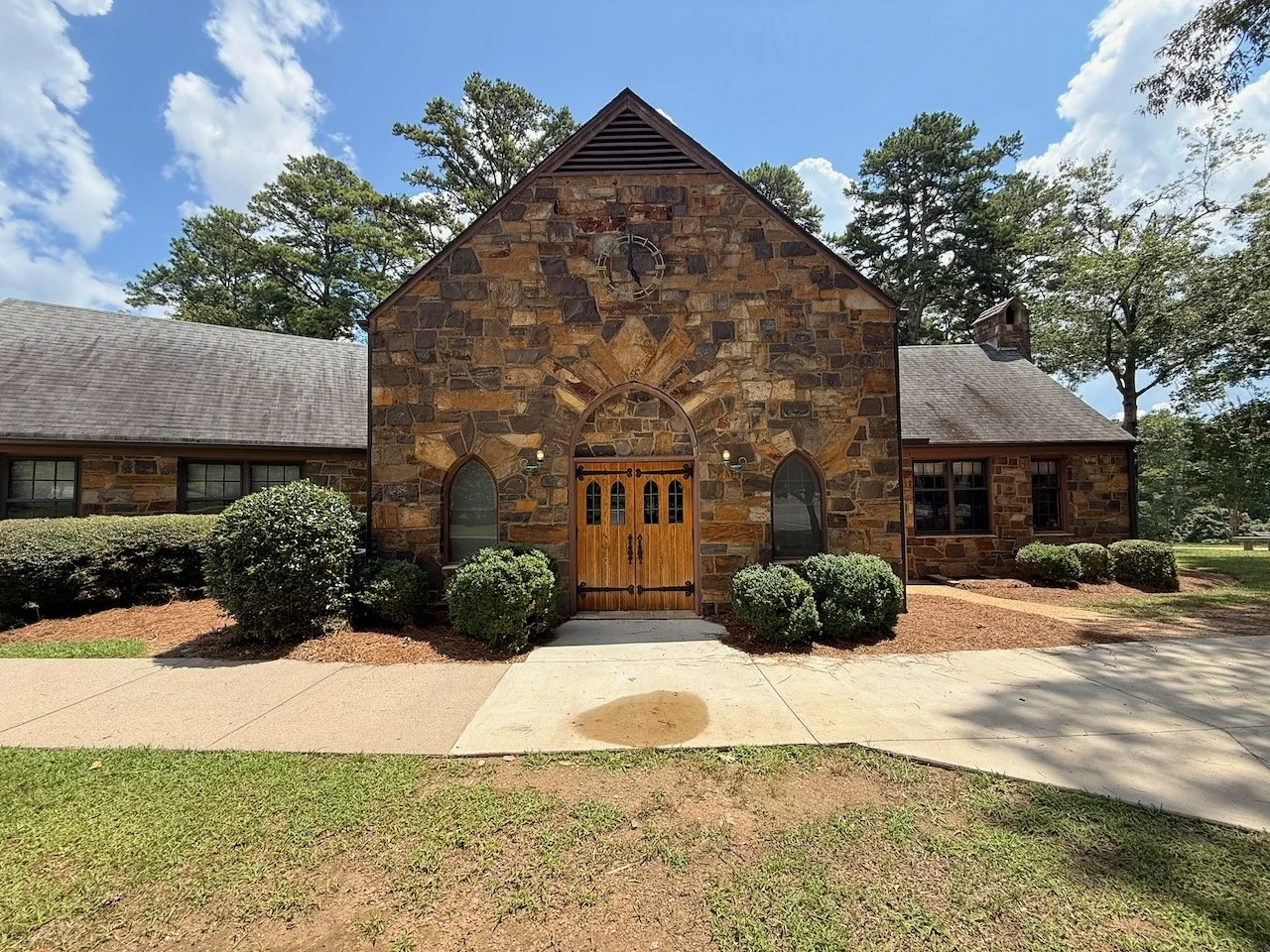
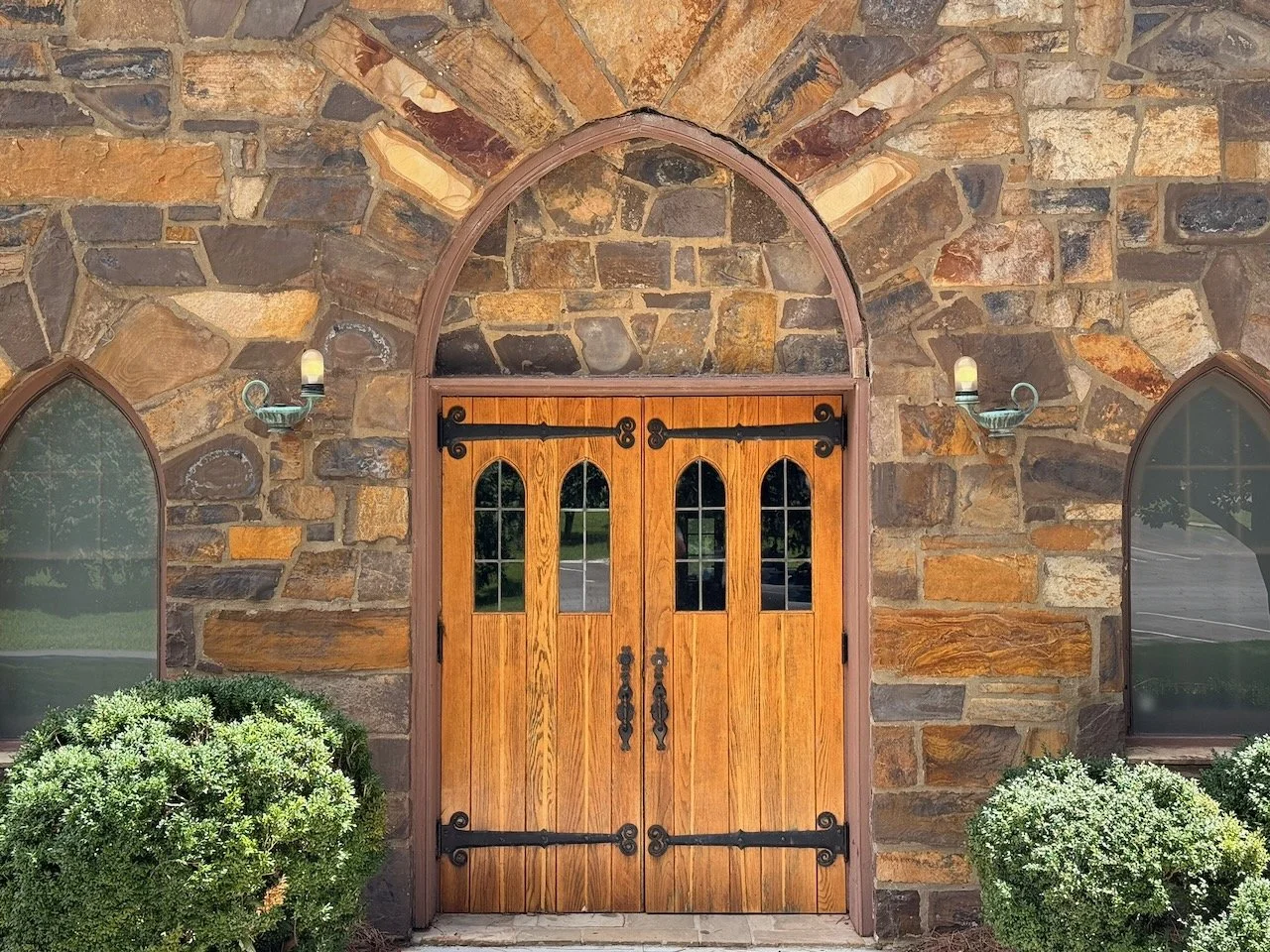
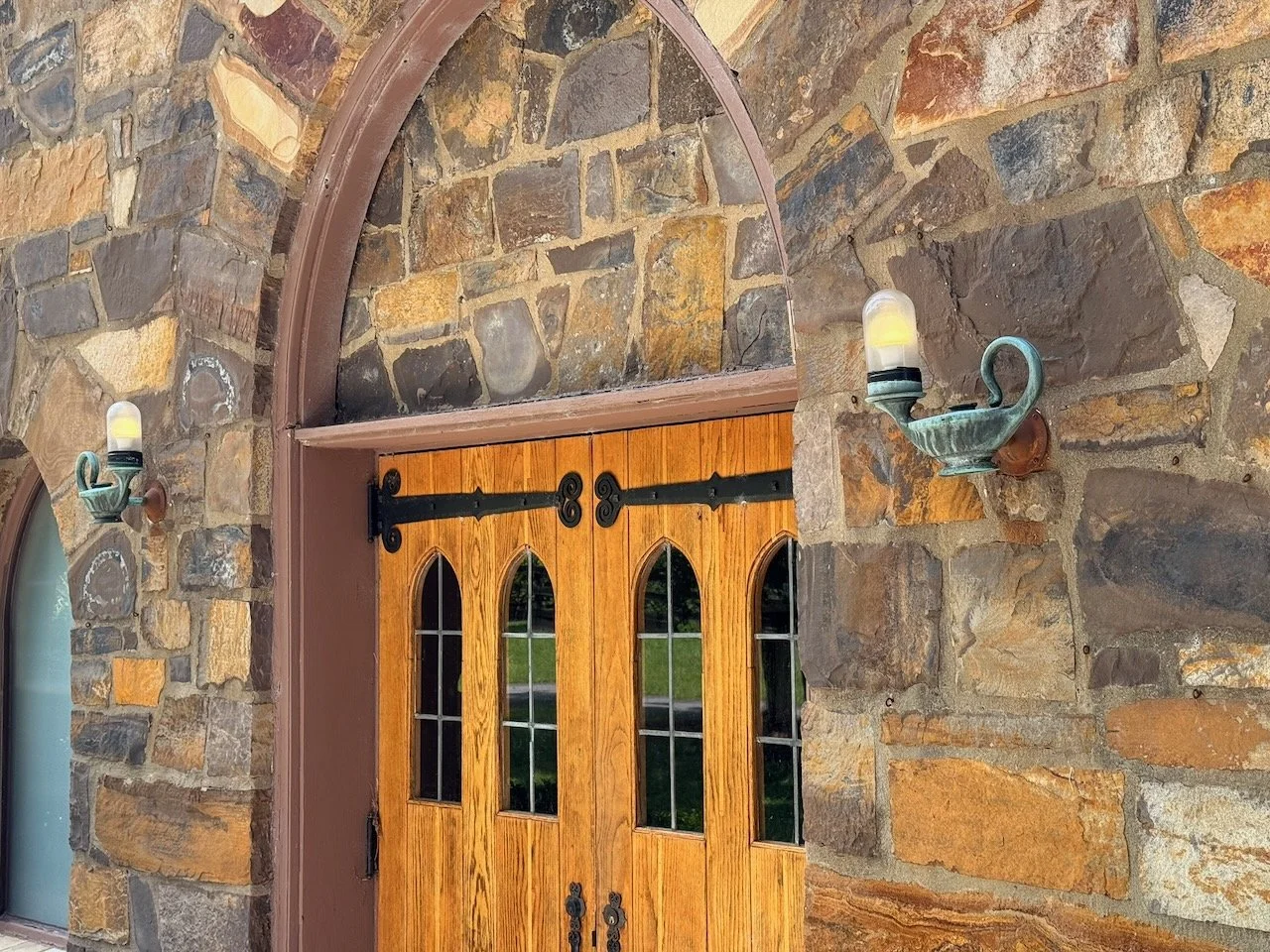
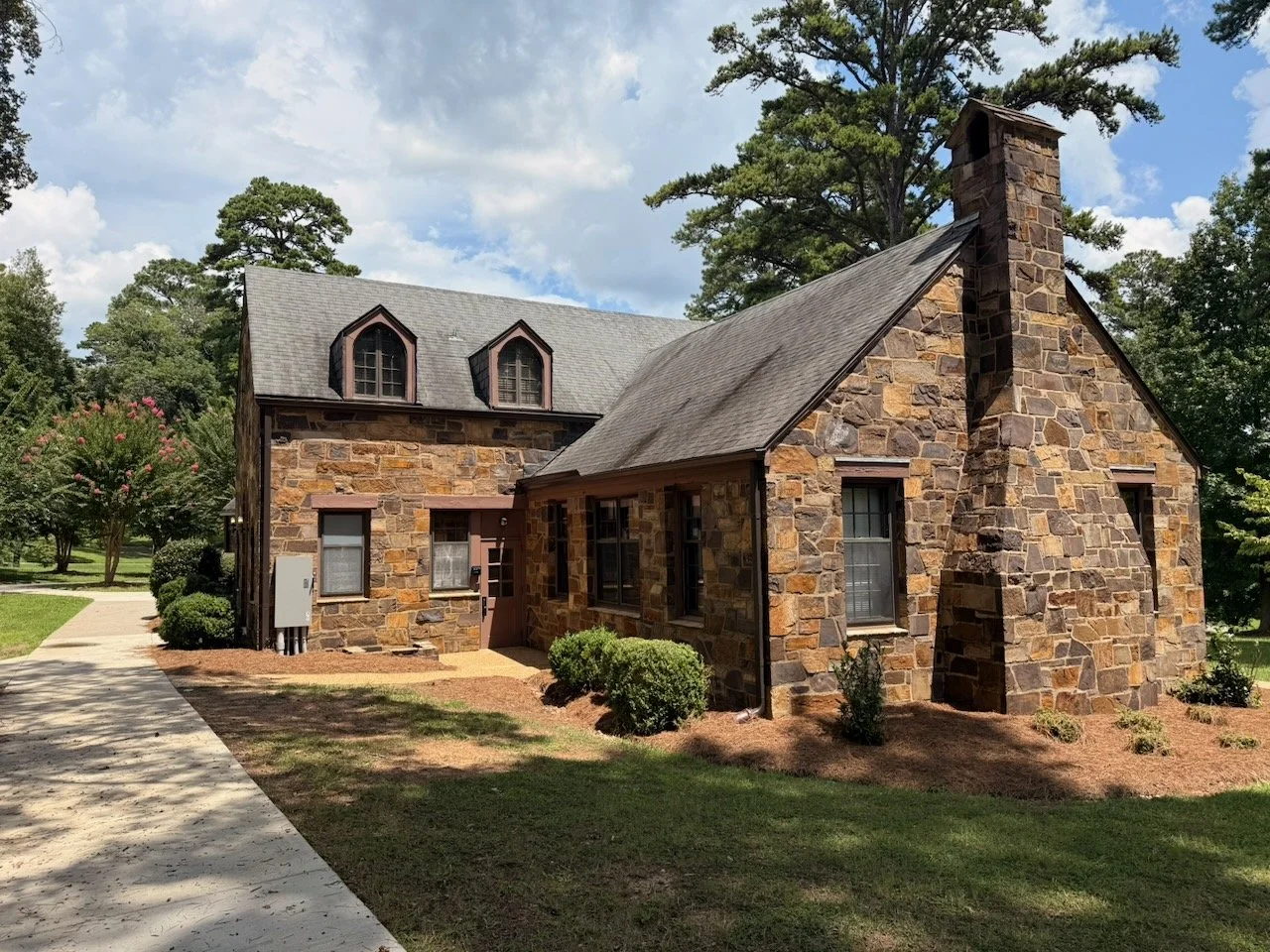
If you know Berry College, you might not know about the Barstow Memorial Library. It’s tucked away on Mountain Campus across from Frost Chapel. What you also may not know is why it bears that name.
George Barstow III’s parents gave the library to Berry as a memorial to their son.
A young musician from New York joins Richard Halliburton on an improbable voyage across the Pacific. The ship disappears. His parents grieve. And that loss eventually becomes architecture on a college campus in Northwest Georgia.
The connection between the two places is remarkably indirect, but it is real: Laguna Beach, the Pacific, a vanished ship, and Berry College, all connected by one young man.
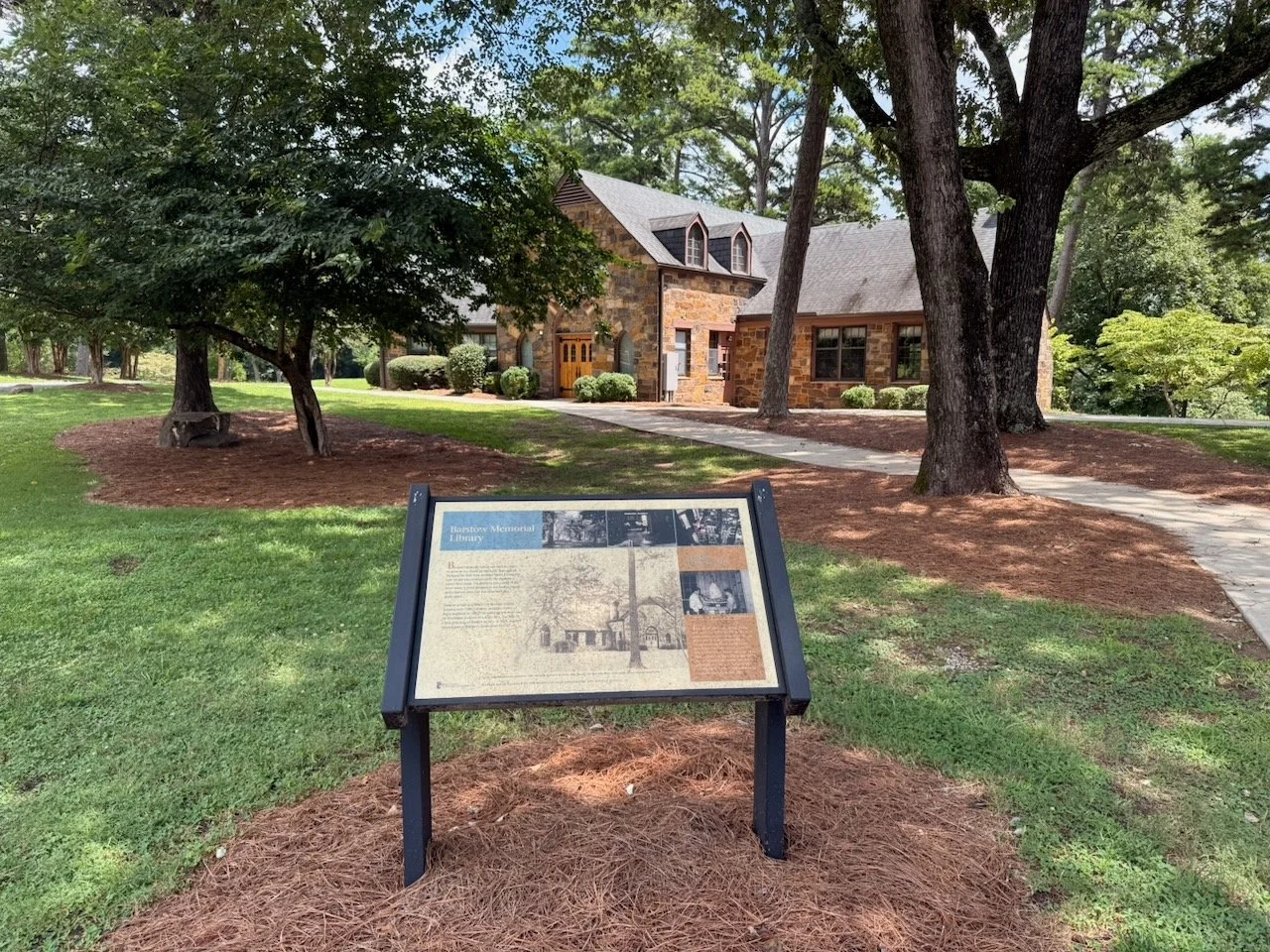
Two Memorials
That is the part of this story I cannot stop thinking about.
Richard Halliburton left behind a house. George Barstow left behind a library.
Neither building was intended to become a monument in quite the same way. Hangover House was built for living, while Barstow Memorial Library was explicitly created in remembrance. Yet nearly ninety years later, both preserve memory through architecture.
One man’s legacy became a private home perched above the Pacific. The other’s became a library that has helped educate generations of students.
Both are architectural memorials in their own way.
Buildings do that. They survive people. They collect stories their architects never intended them to carry, and sometimes they connect places that seem to have absolutely nothing in common.
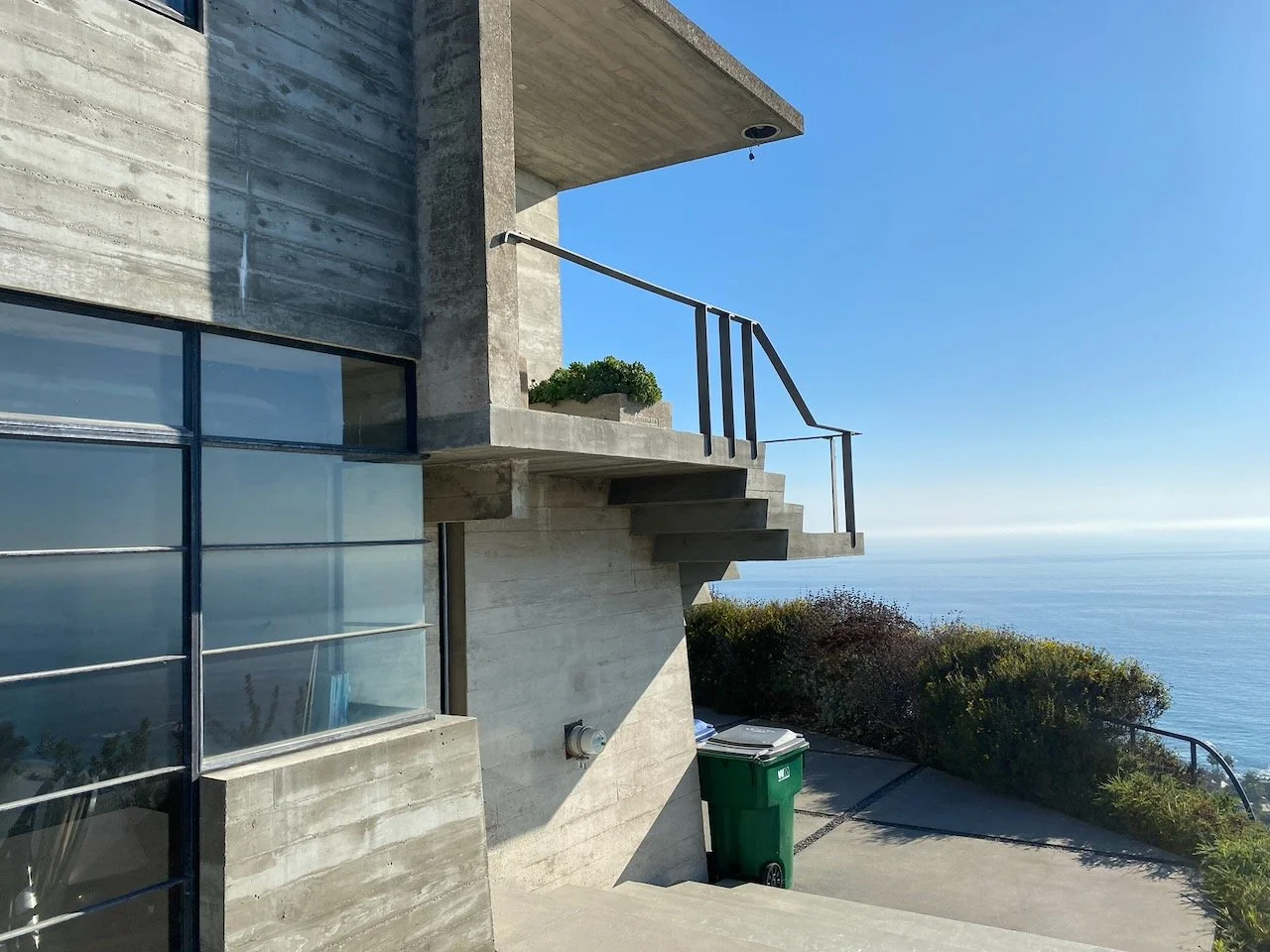
I took exactly four photos when I visited. This was one of them.
Field Notes: October 14, 2020
I first heard about Richard Halliburton in 2019 when Katie and I researched and wrote brief histories of several structures at Berry for an instagram series to celebrate Mountain Day. I read a biography of Halliburton shortly thereafter. When I visited Hangover House, I knew the Berry connection. It was what drew me to the house to begin with. But visiting the obscure modernist house sitting on a cliff above Laguna Beach was even more than I anticipated.
Up close, it felt less glamorous than the photographs, and I mean that as a compliment. The concrete was weathered. The setting felt wild. The building seemed almost stubbornly attached to the mountain. There was none of the manicured perfection you sometimes encounter at famous architectural sites.
It felt like a survivor.
I walked around it trying to understand how the volumes fit together and how Alexander had positioned the building against the drop. I took photographs, stared through openings, probably crossed several boundaries I should not have crossed, and then left.
Last week, when I saw the house pop on the market, I was reminded of the story and decided it needed a retelling.
That is exactly why I keep visiting houses.
You never really know where the story is going to lead.
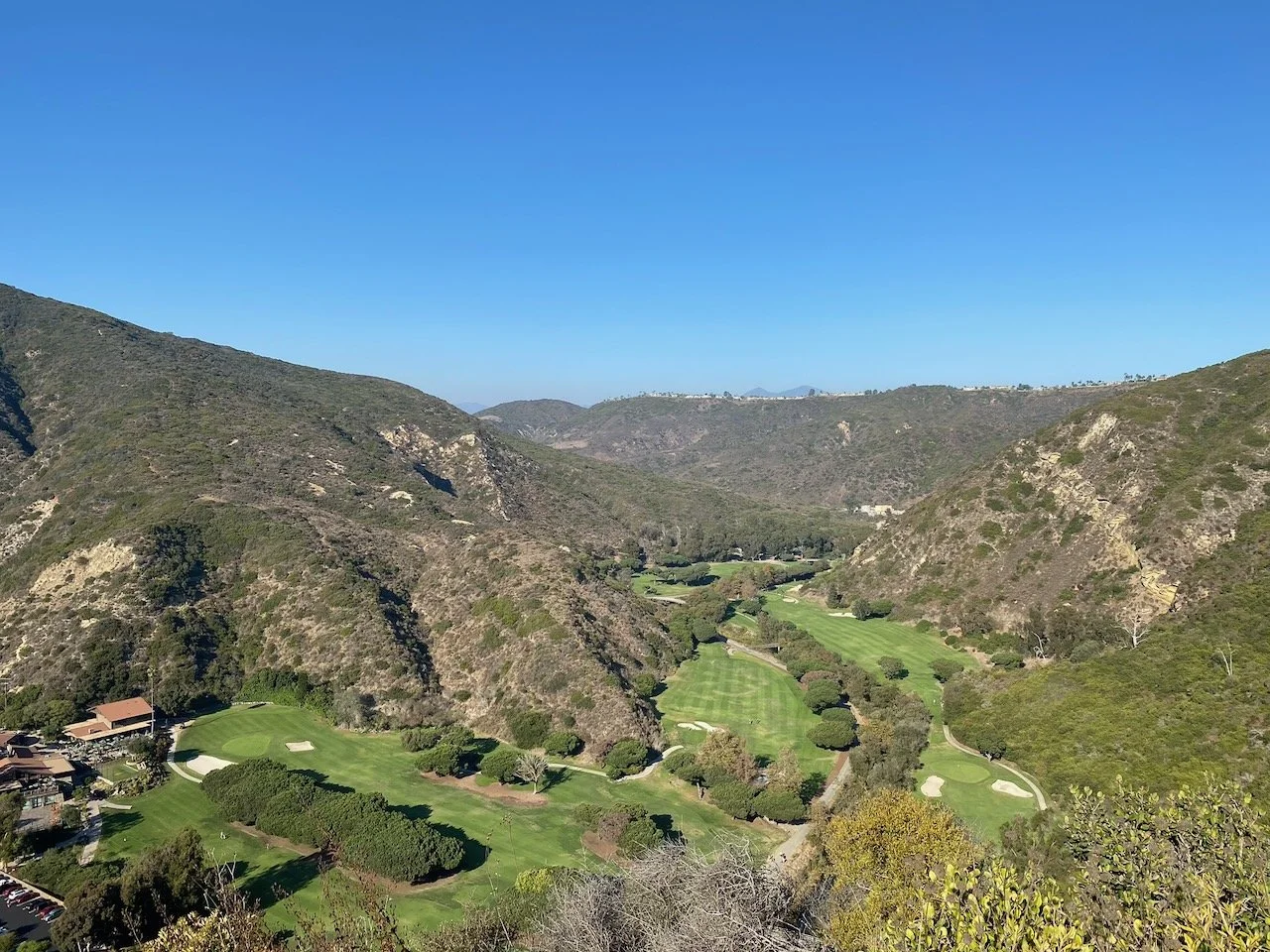
The view from the back felt impossibly far.
Jeb’s Takeaways
1. A great site can become part of the architecture. Hangover House would be interesting anywhere. On this cliff, it becomes unforgettable.
2. Modernism was never one thing. Alexander used the vocabulary of European modern architecture, but the result is rougher, stranger, and more theatrical than the clean white boxes we often associate with modernism.
3. Houses reveal the lives they were designed to accommodate. The unusual domestic arrangement behind Hangover House is part of understanding why the architecture feels so unconventional.
4. Architecture can outlive its original purpose. Halliburton barely lived in the house, yet it became one of the primary physical reminders of his life.
5. Buildings preserve memory in unexpected ways. A modern house in Laguna Beach and a library at Berry College ultimately commemorate two men lost on the same ship.

In Conclusion…
If I had seen Hangover House only in a book, I probably would have appreciated it. Seeing it in person made me understand it. Learning the rest of the story made me love it.
Not because it is the most beautiful modern house I have visited. It is not. Not because it is perfectly preserved. It is not that either.
I love it because the building feels inseparable from the improbable life that created it: adventurous, unconventional, slightly reckless, perched somewhere it probably should not be, and ultimately unfinished.
Halliburton built his dream house and almost immediately sailed away from it forever. George Barstow sailed with him and never returned home either. Yet somehow, both men still occupy physical places on opposite sides of the country.
One above the Pacific.
One at Berry.
That may be the thing architecture does better than almost anything else.
It often gives memories somewhere to live as well.