RHJ: Haunted Houses of Northwest Georgia
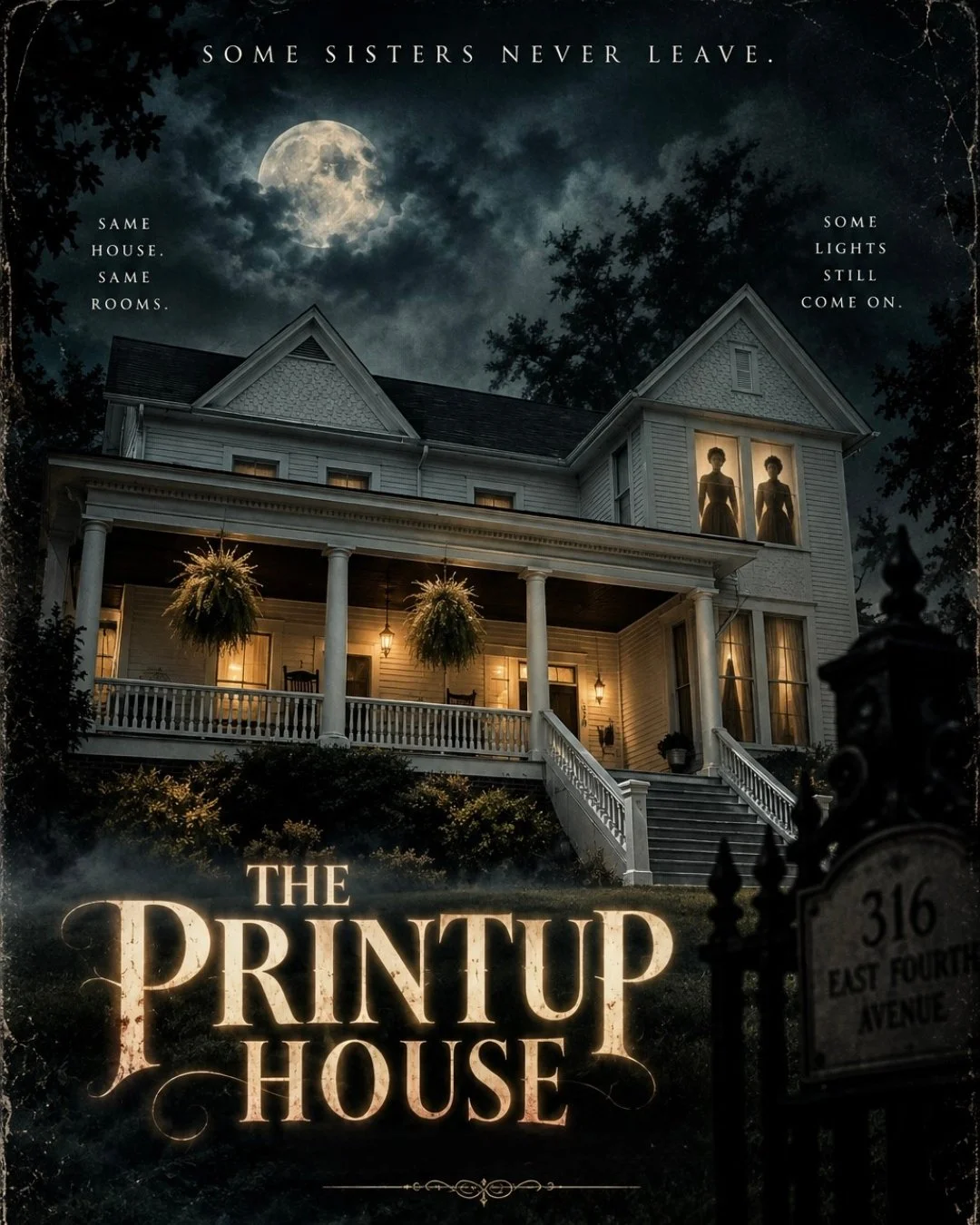
The Printup House: The Sisters Who Never Quite Moved Out
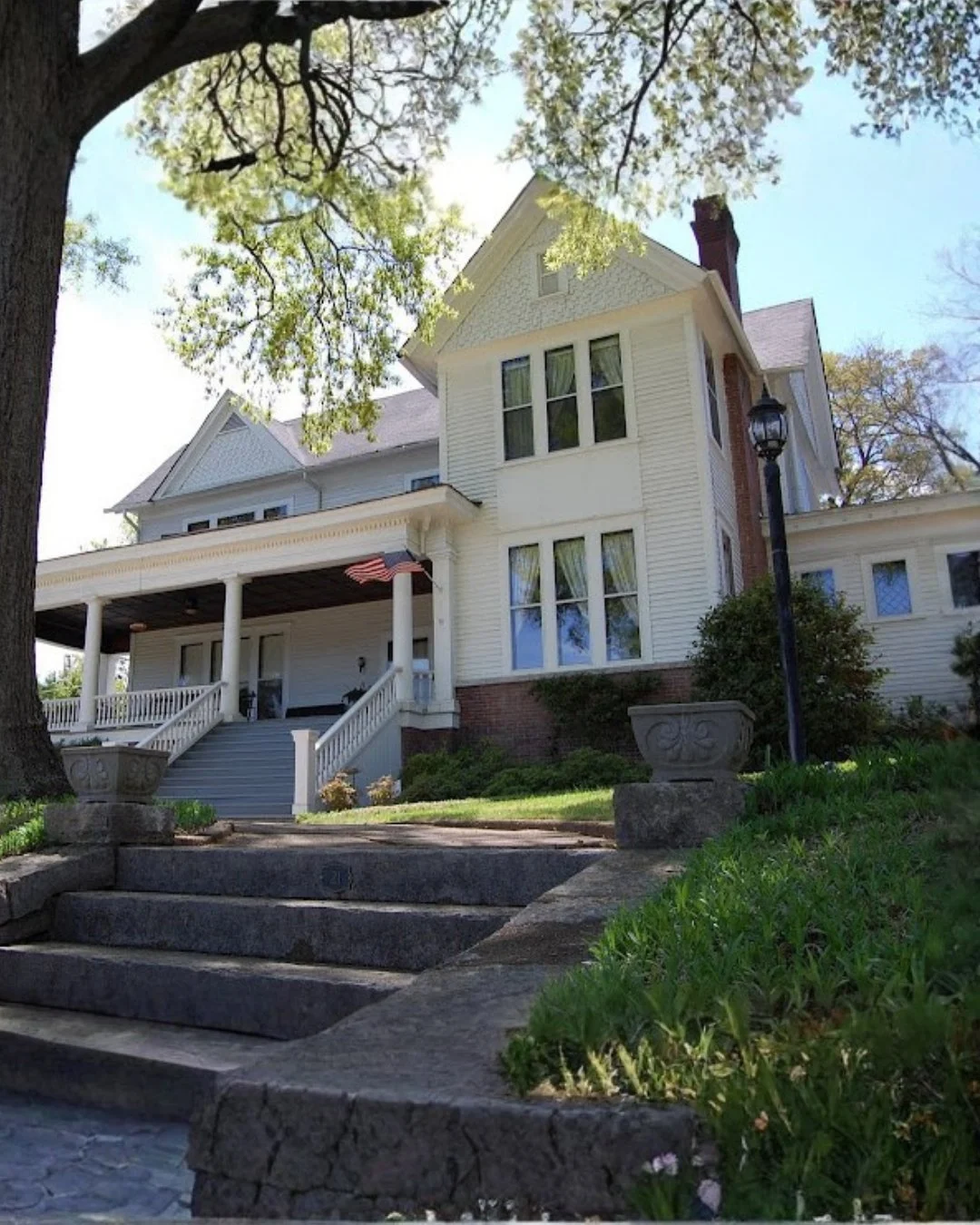
At 316 East Fourth Avenue, the Printup House already has most of the ingredients required of a proper Southern ghost story.
There is the enormous front porch. The stained and leaded glass. Seven fireplaces. Oversized pocket doors separating formal rooms from a central foyer. Upstairs bedrooms looking out across the Between the Rivers neighborhood toward the Clocktower and the mountains beyond.
And, according to generations of Rome folklore, two former residents who may never have entirely left.
The house dates to the opening years of the twentieth century—sources differ on whether it was completed in 1901 or 1905—and was reportedly built for Maybeth Sullivan Graham as a wedding gift from her father. It later served as temporary housing for several members of the extended Sullivan family.
Then came the women whose name would stick to the house.
In 1938, sisters Alida Printup and Ava Printup Harris acquired the property for the wonderfully deed-like consideration of ten dollars “and other valuable considerations.” Their father, Daniel S. Printup, had been an important figure in nineteenth-century Rome, with interests that included the development of the Rome & Decatur Railroad. His home had even been used for Catholic Mass before Rome's first Catholic church was constructed.
The sisters' arrangement at 316 East Fourth became particularly interesting in 1946. They sold the house to Judge James Frederick Kelly but, according to the property's history, retained the right to continue living upstairs.
And they did.
Alida and Ava remained upstairs until their deaths in the 1950s.
Apparently, Rome decided they stayed somewhat longer.
The legend surrounding the Printup House is unusually specific. Rather than an anonymous woman in white wandering a staircase, the supposed spirits have names and a known address. Footsteps are said to have been heard upstairs. More famously, lights in the sisters' former rooms have reportedly switched on when no one was home. Rome's own tourism material records both stories and identifies the Printup sisters as the supposed occupants responsible.
There is something wonderfully appropriate about that particular haunting.
Alida and Ava had already sold the house once and simply continued living upstairs. In the version Rome has told ever since, death apparently did little to alter the arrangement.
Whether the lights have a perfectly ordinary explanation isn't really the most interesting part. The story survives because it is tied so closely to the architecture of the house and the lives of the women who occupied it. The upstairs isn't just the generically creepy part of an old house. It was their part of the house.
And that makes the legend considerably harder to forget.
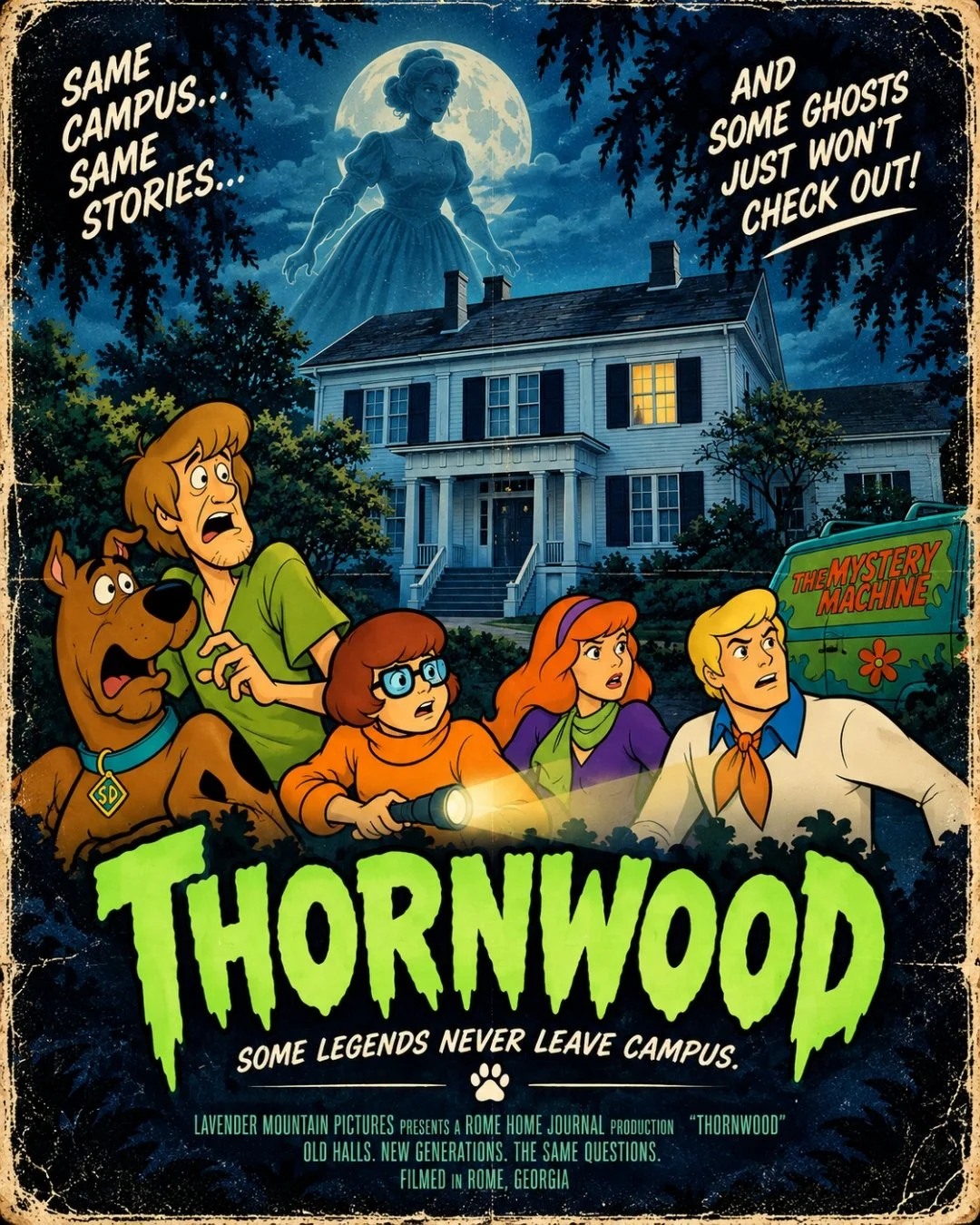
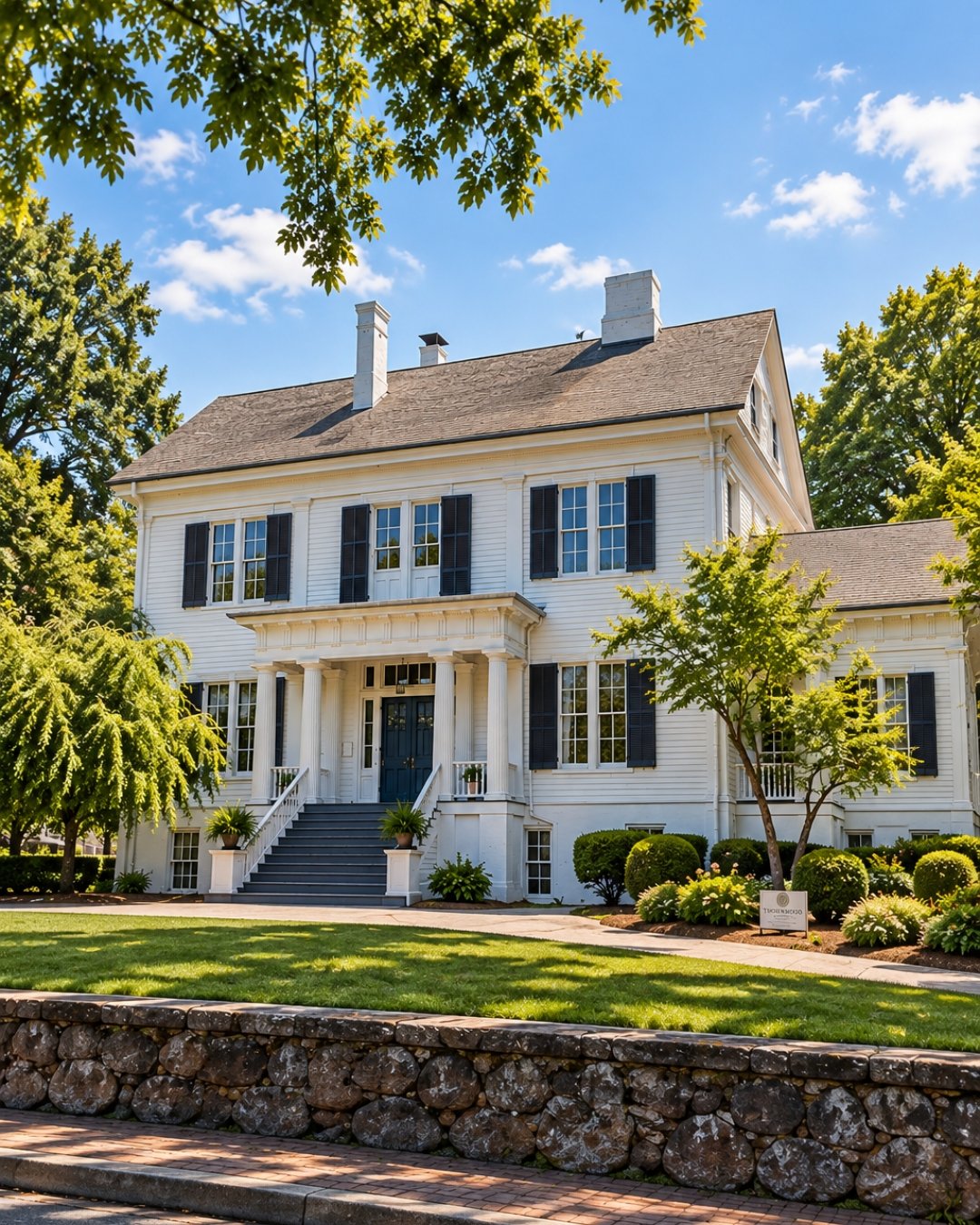
Thornwood: A House With Nearly Two Centuries of Stories
If the Printup House looks like the setting for a ghost story, Thornwood almost seems too dignified for one.
The great white house on Shorter Avenue is an exercise in Greek Revival order: a broad pediment, monumental columns, symmetry and the sort of imposing scale intended to communicate permanence and prosperity rather than menace.
But Thornwood has been collecting history for nearly two centuries.
The house was built for Colonel Alfred Shorter, one of nineteenth-century Rome's most important businessmen and financiers. The Historic American Buildings Survey dates its initial construction to 1854, although other historical accounts place its beginnings several years earlier. Even the Northwest Georgia Regional Resources Plan calls Thornwood one of Georgia's most successful adaptations of Greek architecture.
Its name reportedly came from the hawthorn that once grew thick across the property.
But the exterior only hints at what makes Thornwood architecturally unusual.
Inside is an elaborate winding staircase that creates parallel balustraded balconies at its landings before continuing toward the upper floor. Historical descriptions call attention to hand-carved curlicues and geometric patterns in the staircase, walls and woodwork. Perhaps most remarkably, Thornwood was reportedly constructed using wooden wedges rather than nails.
Then came the Civil War.
Federal troops occupied Thornwood twice. Scouts sent ahead toward Rome reportedly took refuge there, and when Union forces entered Rome in 1864, officers occupied the house while Alfred and Martha Shorter had gone to South Georgia.
The house survived.
So did its next lives.
Eventually Thornwood became something very different from a private antebellum residence. Generations of Rome children knew the property through Thornwood School for Girls and later Darlington School; today the historic property is associated with Shorter University. The current regional resource inventory places Thornwood at 105 Shorter Avenue.
And somewhere along the way, people began saying it was haunted.
This is where Thornwood's story becomes harder to document.
I've heard the claim from enough people that I don't think we should dismiss it as something recently invented for Halloween. But unlike the Printup House, where a published local account actually names the supposed ghosts and describes what they allegedly do, I haven't yet found an early written source that tells us who is supposed to haunt Thornwood—or why.
That may actually be the more interesting story.
Think about how many generations have inhabited this one building: the Shorter family, Civil War soldiers, students, teachers and administrators. A house designed as a private expression of wealth eventually became a place filled with schoolchildren. Bedrooms became something else. Hallways acquired new purposes. Hundreds—eventually thousands—of people developed memories of a building originally designed for one family.
Somewhere in all of that history, Thornwood acquired another identity.
A haunted one.
Maybe someone saw something on that extraordinary staircase. Maybe a student heard footsteps in a room that should have been empty. Maybe the story grew from the knowledge that Union soldiers once slept beneath the same roof. Or perhaps generations of schoolchildren simply did what generations of schoolchildren do when placed inside a very old house.
They gave it ghosts.
Until we find an older account, I'm comfortable leaving that question unanswered.
Because sometimes the most revealing part of a ghost story isn't determining whether the ghost existed.
It's discovering why everyone decided this particular house needed one.
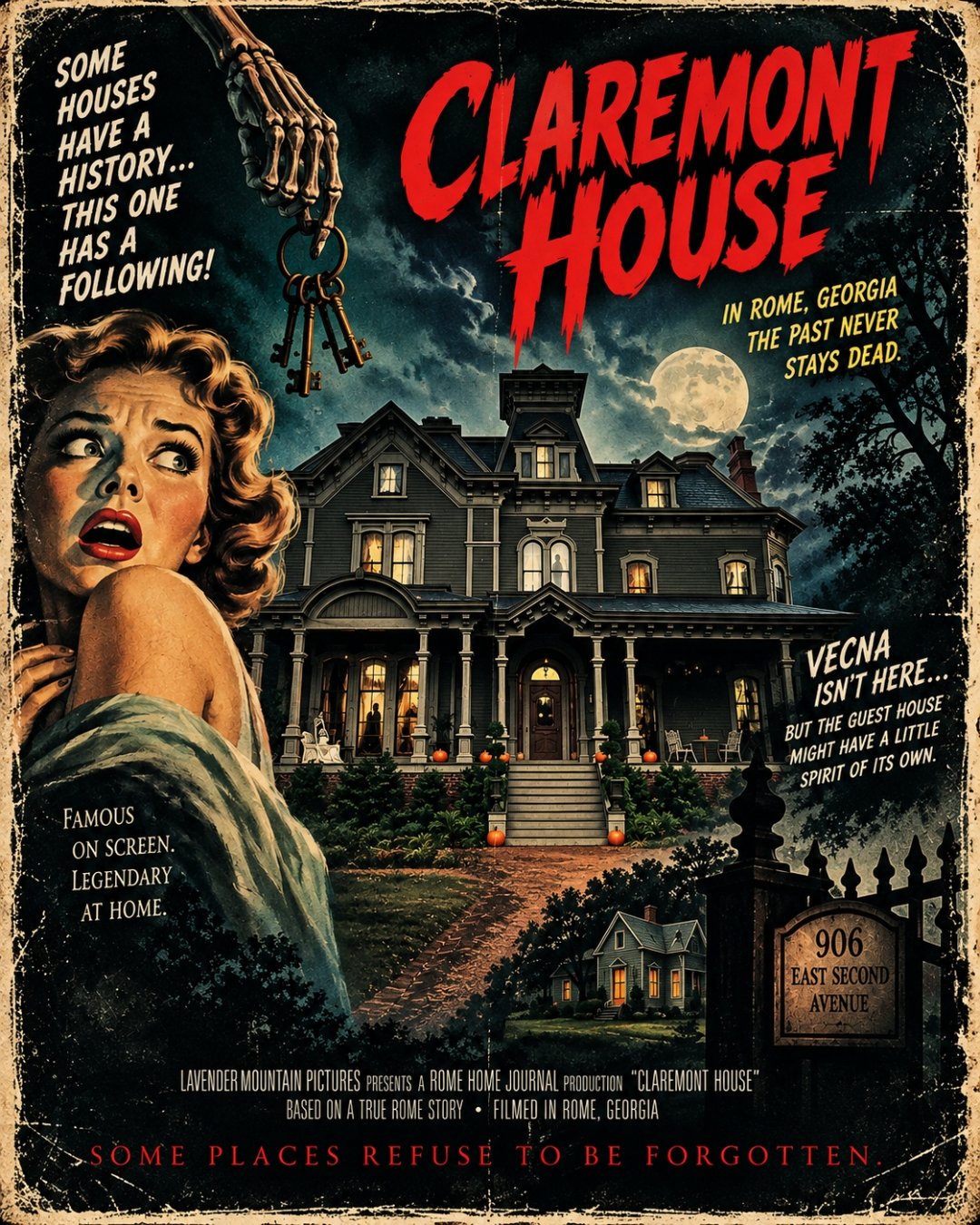
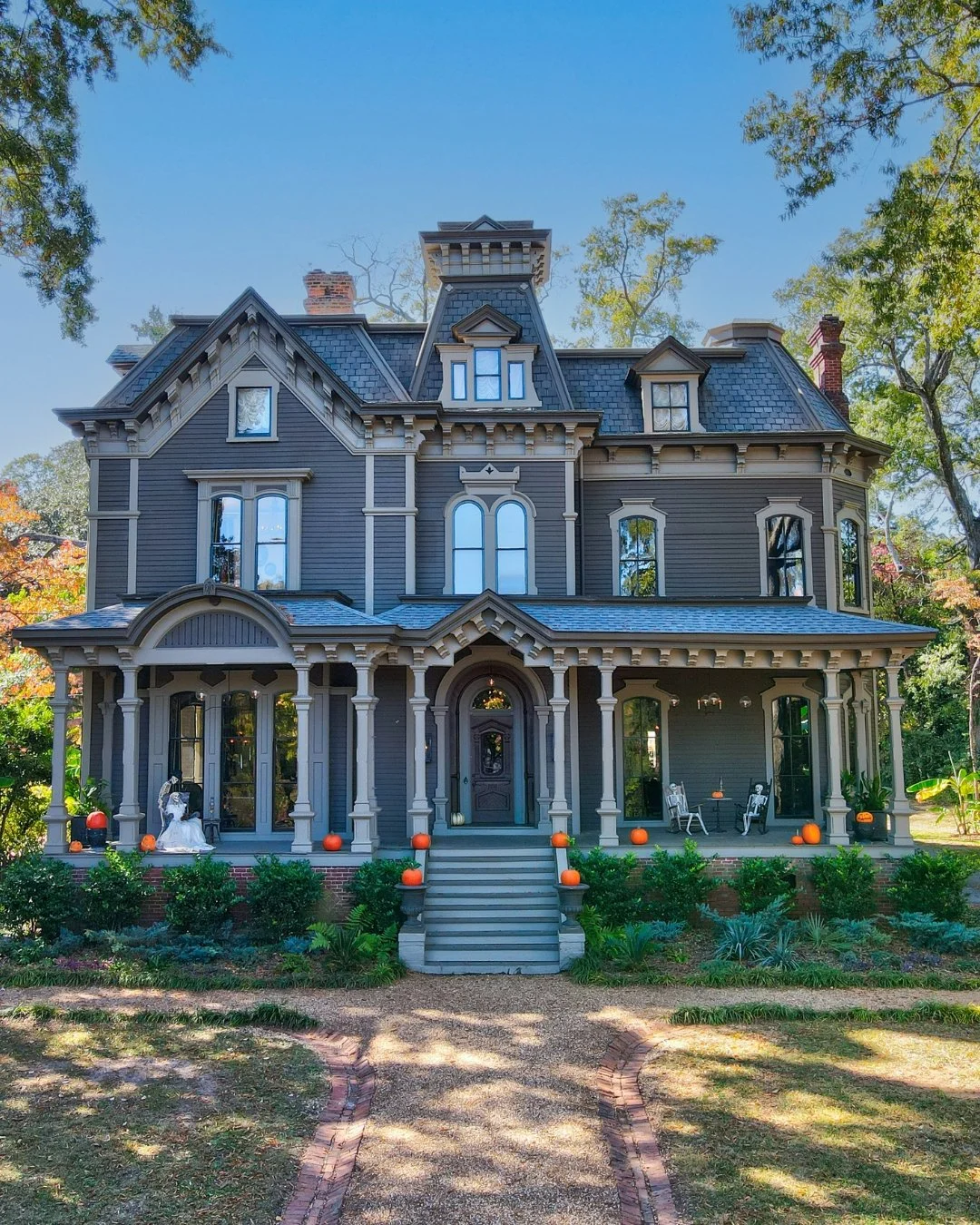
Claremont House: The House That Played Haunted on TV
Of all the supposedly haunted houses in Rome, only one has been haunted professionally.
At 906 East Second Avenue, Claremont House was already one of Rome's most recognizable residences long before millions of television viewers came to know it by another name:
The Creel House.
Built around 1882 for Colonel Hamilton Yancey, Claremont is a spectacular example of late nineteenth-century architecture, combining the verticality and ornament of the Victorian era with its unmistakable Second Empire centerpiece: the tall mansard-roofed tower rising above the entrance. Inside are soaring ceilings, elaborate woodwork, parquet floors, built-in cabinetry and fireplaces—rooms designed to impress long before anyone had heard of Hawkins, Indiana.
But if you've watched Stranger Things, it's almost impossible to look at the house now without seeing something else.
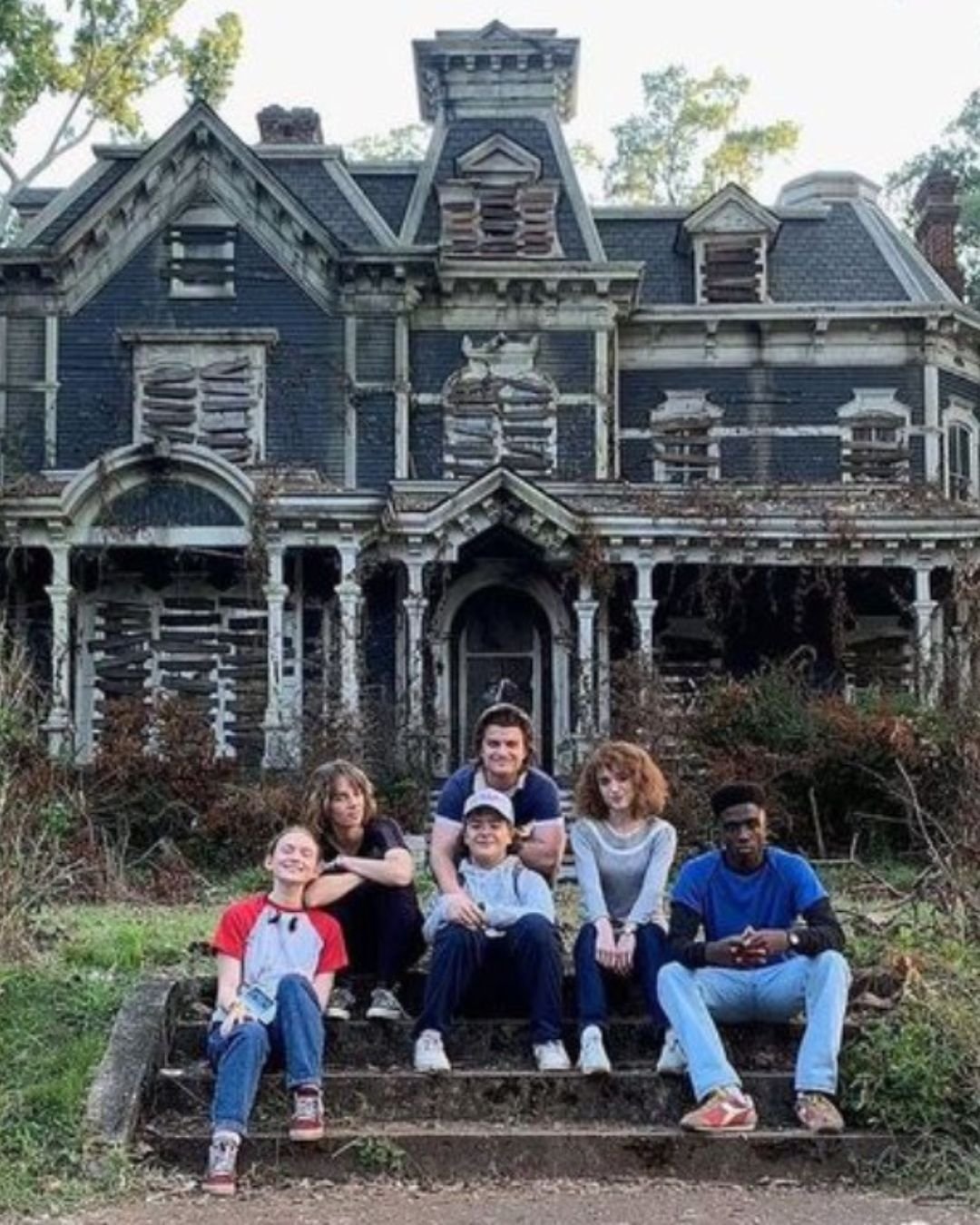
In Seasons Four and Five, Claremont became the Creel House, home of the Creel family and eventually the place most closely associated with Vecna. The production team didn't stumble onto the house accidentally. Set decorator Jess Royal has said they were specifically searching for a Gothic Victorian or Second Empire mansion with the feeling of a classic horror mystery.
Claremont didn't need much help with the silhouette.
The production did the rest.
For the deteriorated 1980s version of the house, crews artificially aged the exterior and added physical elements that could later be enhanced digitally into the vines of the Upside Down. The elegant old Rome residence became something genuinely menacing on screen.
And it worked.
Today, people travel from across the country just to stand on East Second Avenue and photograph it. Rome tourism officials estimated roughly 5,100 visitors came to see the house in 2025 alone.
But here's where the story gets better.
According to people who have actually lived there, Vecna isn't the problem.
Former owners have said that despite Claremont's rather convincing performance as one of television's most famous haunted houses, they didn't consider the main house haunted.
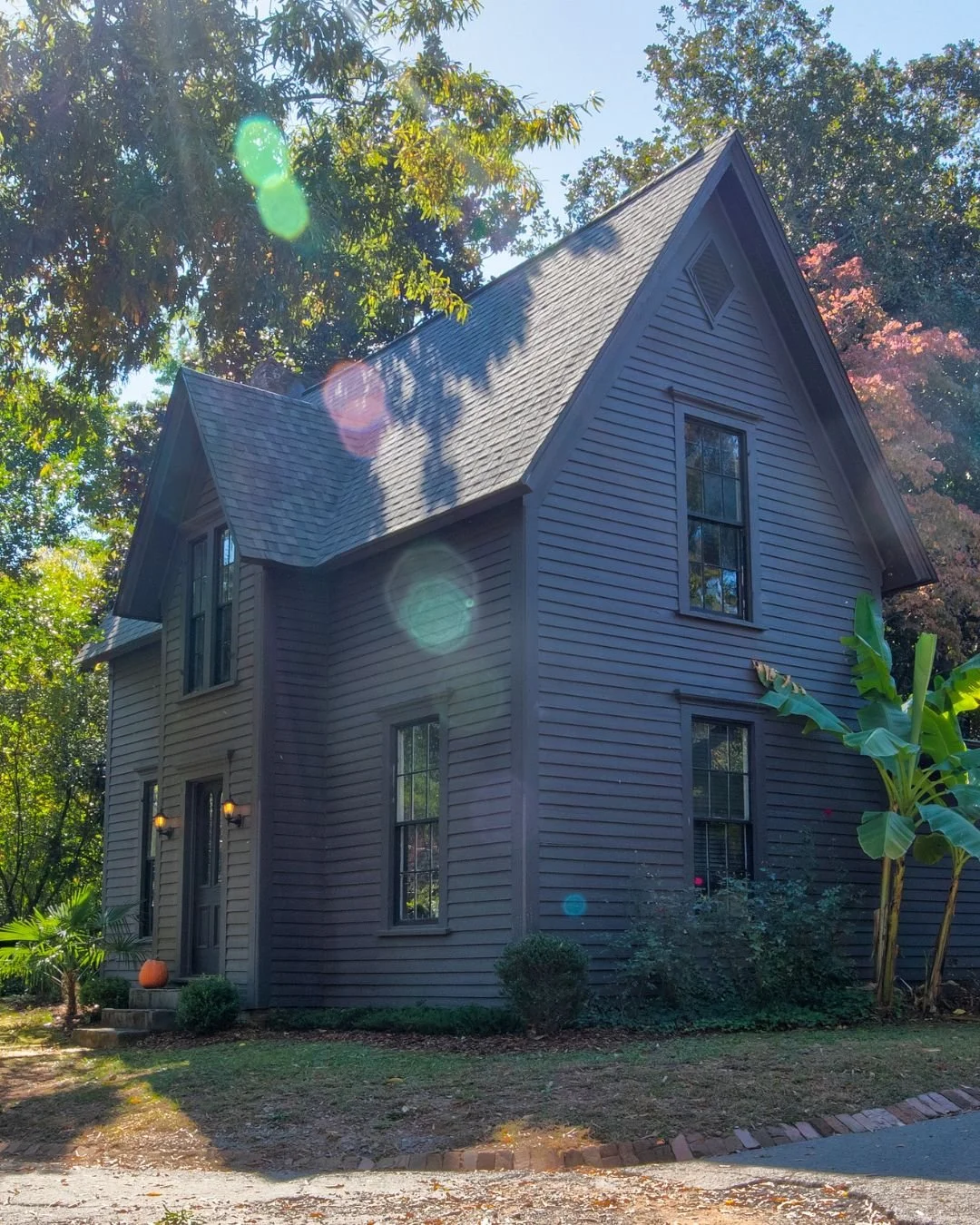
The guest house?
That's apparently another story.
Behind the mansion stands a smaller Gothic-style guest house, itself substantial enough to contain a living room, kitchen, bath, bedroom and additional rooms upstairs. Former owners have spoken of a much smaller—and apparently much less threatening—presence associated with that building: a little spirit who may occasionally make itself known.
I haven't found enough documentation to tell you who that spirit is supposed to be, when the story began, or whether anyone ever connected it to a real former resident.
And perhaps that's appropriate.
After all, Claremont already has one completely fictional supernatural history that has become more famous than its real one.
For more than 140 years, this house has watched East Rome change around it. It has been a private residence, a bed-and-breakfast, a film set and now an unlikely tourist destination. It has survived long enough for Hollywood to give it a monster, an alternate dimension and a murderous fictional family.
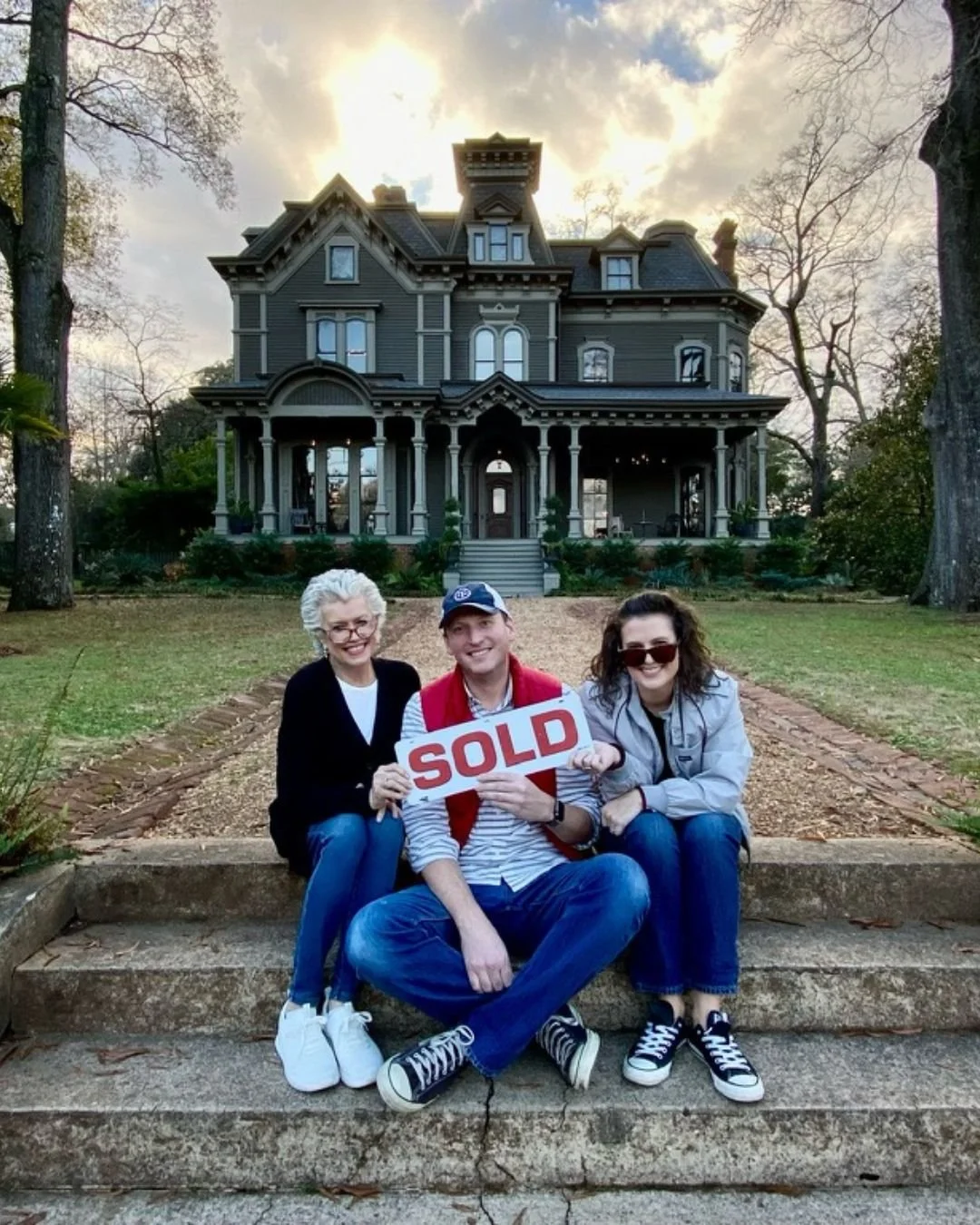
And now, in 2026, Claremont House is for sale again, offered at $1.7 million.
So if you've always dreamed of owning the Creel House, this is your chance.
Just remember:
Vecna isn't included.
The little ghost in the guest house may convey with the property.
Corpsewood Manor — When the Real Story Is Scarier Than the Ghost Story
There are haunted houses. And then there is Corpsewood Manor. Full disclosure, I haven’t made the trek out to Corpsewood yet, but it’s on my list!
Hidden in the woods of Chattooga County, the ruins are only about an hour from Rome. Today, they're surrounded by stories of ghosts, curses, Satanism and murder.
The truth requires considerably less embellishment…And may be more unsettling because of it.
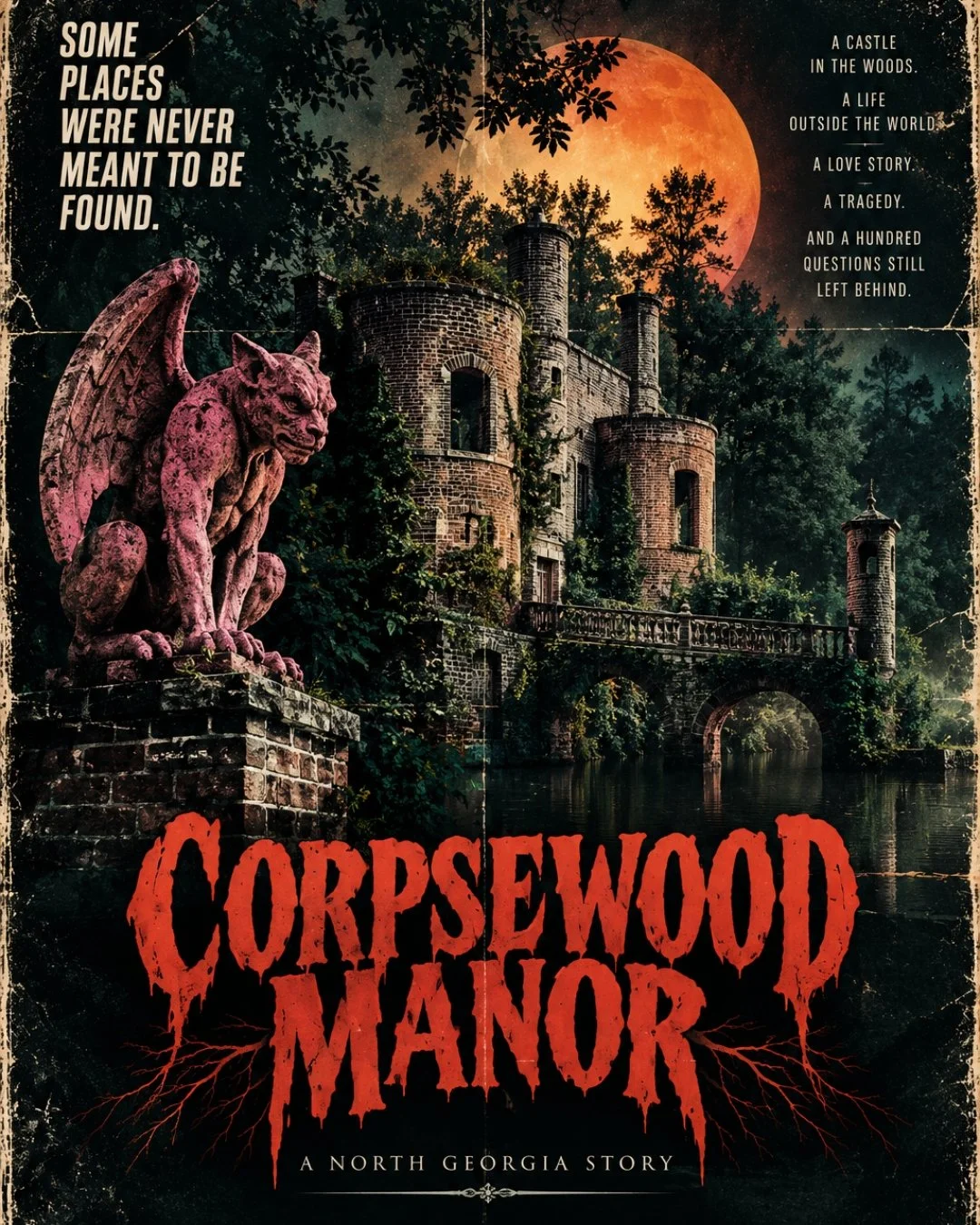
In the 1970s, Dr. Charles Scudder walked away from his career as a pharmacology professor at Loyola University in Chicago and, with his partner Joseph Odom, retreated to forty acres in the mountains of Northwest Georgia.
They weren't looking for a subdivision.
They wanted isolation.
Beginning in 1977, the two men essentially built their own castle in the woods.
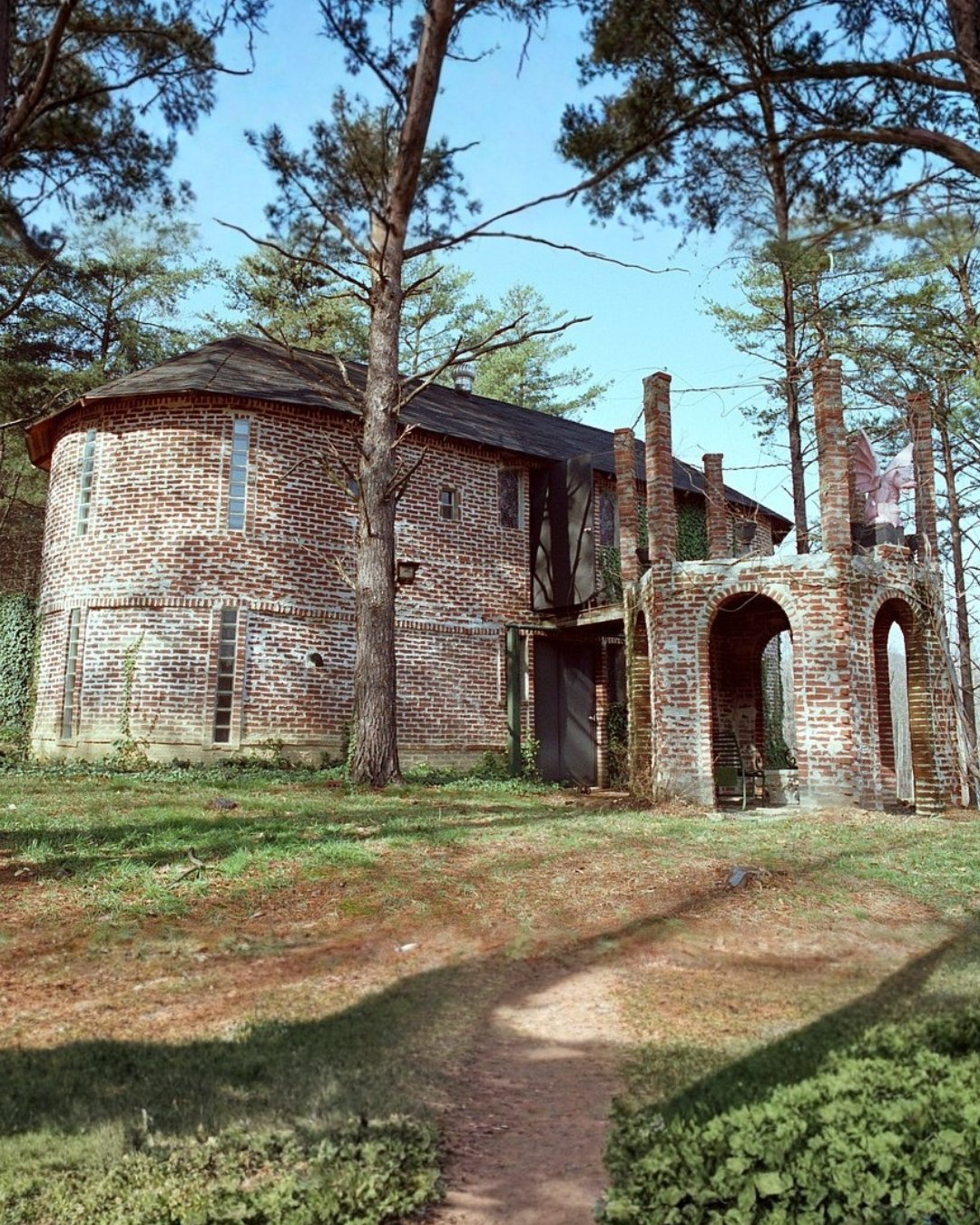
Corpsewood was constructed largely by hand, brick by brick, without electricity. Its architecture was eccentric, personal and almost theatrical. A drawbridge connected the house to a rooftop terrace above a brick gazebo. A large pink gargoyle watched over the property. Inside were antiques, artwork, stained glass and objects reflecting Scudder's fascination with the occult.
This wasn't architecture designed for resale. It was architecture designed around two people's idea of how they wanted to live. And for several years, apparently, it worked.
Then on December 12, 1982, two men arrived believing Scudder and Odom were secretly wealthy.
They weren't.
The attempted robbery ended with Scudder, Odom and their dogs murdered inside the strange house they had built together.
What happened afterward transformed Corpsewood from a crime scene into a legend. Stories spread about devil worship. About the Pink Room. About Scudder's artwork. About curses and supernatural forces in the woods.
Some of those stories contained pieces of truth. Others grew considerably in the telling. And perhaps that isn't surprising.
A handmade castle hidden down a dirt road already feels like something from folklore. Add two unconventional men, occult imagery, an isolated mountain setting and a horrific double murder, and the building almost never had a chance of remaining simply a building.
Eventually, Corpsewood itself fell into ruin. A 1992 account in The Summerville News described blackberry bushes overtaking the former gardens, the pond sitting dry and the house reduced to a place of profound isolation. The writer found no supernatural evil there.
Only desolation.
That may be the most haunting description of Corpsewood I've read.
Because behind all the stories about demons and curses were two real men who left Chicago, found a patch of mountain wilderness and spent years building an extraordinary home together.
And then two other men came looking for money that wasn't there.
Corpsewood doesn't need a ghost story.
The real one is scary enough.